

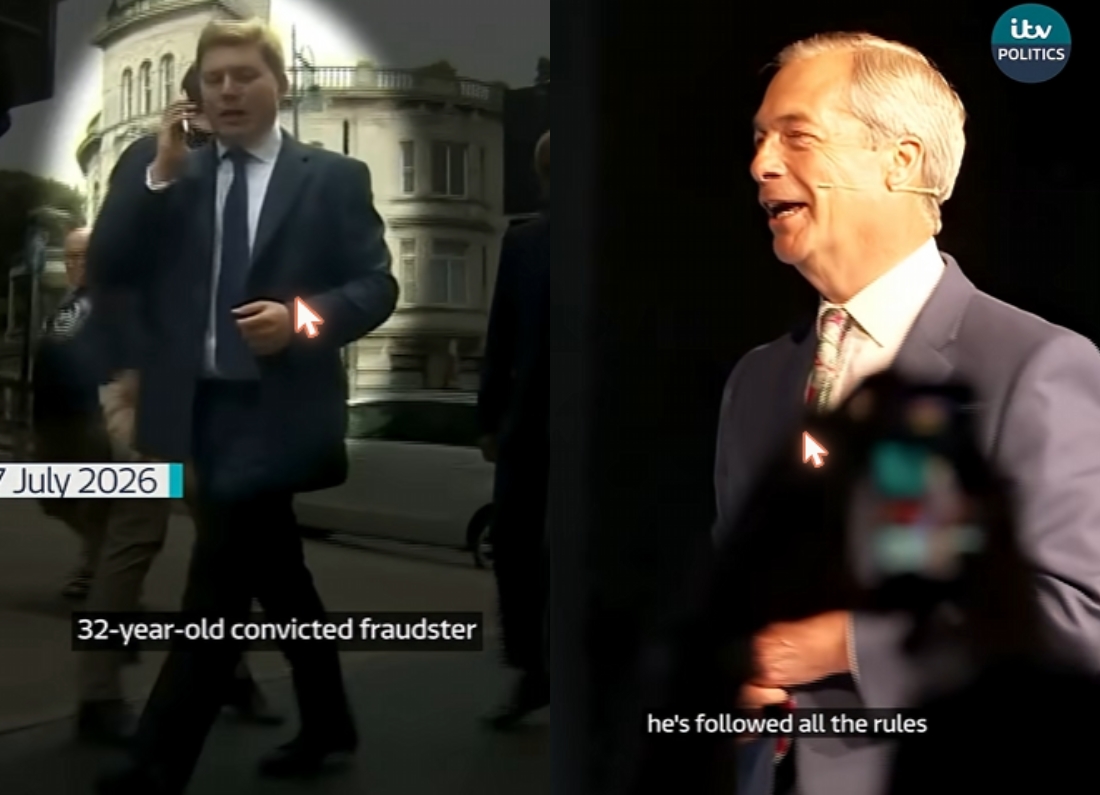
Nigel Farage’s popularity has hit an all-time low, according to new polling, as the row over his personal finances shows no sign of letting up.
YouGov’s latest figures put just 22% of British voters as having a favourable view of the Reform UK leader, the lowest number the pollster has recorded for him since 2020. On the flip side, 68% now view him negatively, including 56% who say they view him very unfavourably.
That works out to a net approval rating of minus 46, jointly the worst score YouGov has ever recorded for him. For context, that’s actually worse than the minus 41 Boris Johnson hit after partygate, and worse than the minus 45 Keir Starmer recorded on his way out the door as PM.
Patrick English, YouGov’s head of elections and political and social data, said the trend has been building for a while. “Nigel Farage’s net favourability score has been trending gradually downwards since May last year. It remains to be seen whether the ongoing Clacton by-election campaign will further impact his popularity, but so far at the very least it does not seem to have interrupted that trend.”
So what’s actually driven a professional political survivor to numbers this bad? Quite a lot, as it turns out.
The £5m gift that started it all
This all traces back to April, when the Guardian revealed Farage never declared a £5m gift from Thailand-based crypto billionaire Christopher Harborne, received shortly before he stood as Clacton’s MP. Farage’s explanation for what the money was actually for has shifted more than once, first it was for his own security, then a reward for decades of Brexit campaigning, then simply his to spend however he liked, he specifically said he could put it towards a Ferrari.
A Guardian report later claimed Farage had told senior Reform figures back in March 2024, before the gift arrived, that he’d need roughly £1m a year to make up for lost earnings if he returned to frontline politics, a detail that’s made the timing look considerably less innocent. The payment was also reportedly flagged to the National Crime Agency via a suspicious activity report over concerns about where the money actually originated.
Farage insists he’s broken no rules and is the victim of a “witch-hunt.” He remains under formal investigation by Parliament’s standards watchdog regardless.
Then there’s George Cottrell
The Sunday Times separately revealed that convicted fraudster George Cottrell had been quietly funding Farage’s staff, security and social media output in the run-up to the 2024 election, support Farage also failed to declare. That connection got messier still when it emerged Cottrell’s mother, Fiona Cottrell, is under a separate Metropolitan Police investigation over £500,000 in donations to Reform, with reporting suggesting she may have been a conduit for money that didn’t actually originate with her.
The byelection gamble
Facing all of this, Farage resigned as Clacton’s MP earlier this month to trigger what he called a “people versus the establishment” byelection, framing it as a chance for voters to judge him directly rather than leave it to parliamentary process.
It hasn’t gone the way he hoped. None of the major parties are standing candidates, leaving him facing Count Binface as his main rival, a satirical candidate whose campaign has gone properly viral internationally, including coverage on Japanese and American television. An Ipsos poll even found more Britons would prefer Binface to win the seat than Farage. Even Robert Jenrick praising Farage’s “courage” for facing the byelection ran straight into the observation that Jenrick himself never faced one after defecting to Reform.
A run of bad broadcast interviews for his own team
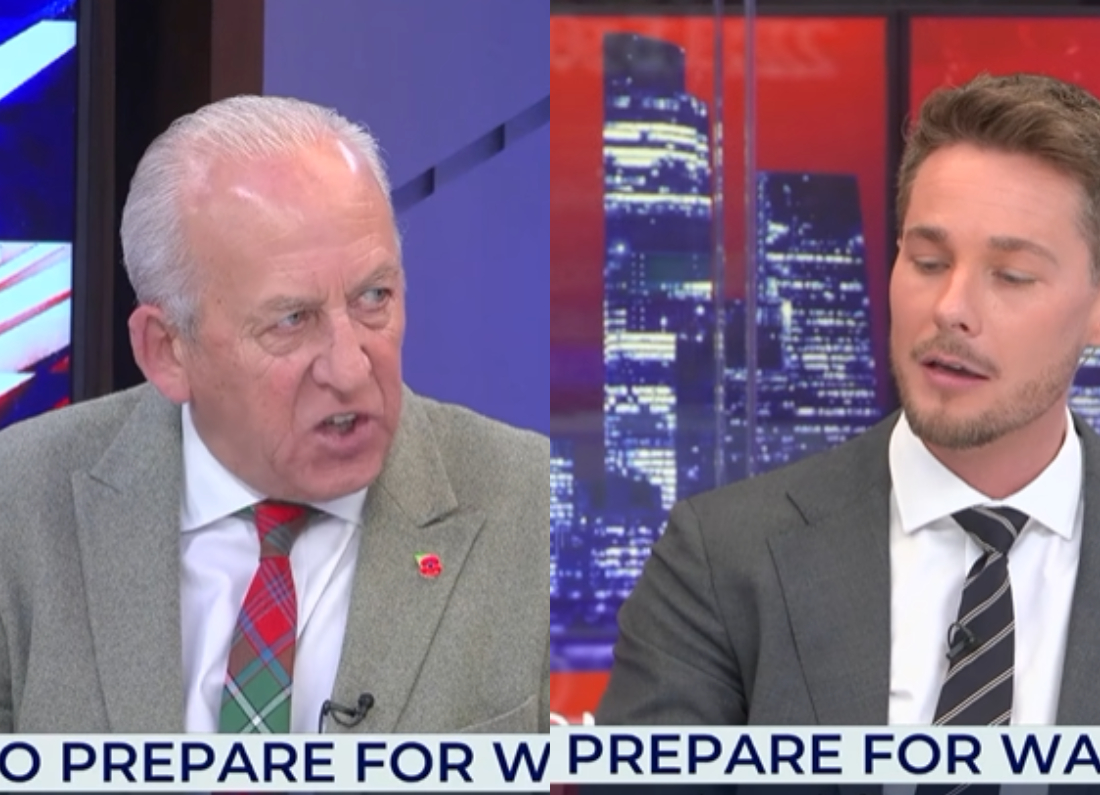
Farage’s colleagues haven’t fared much better trying to defend him. Robert Jenrick struggled badly on Channel 4 News trying to frame the whole thing as an establishment conspiracy, only to be reminded his own leadership campaign donations are under a separate police investigation. Richard Tice tied himself in knots on Newsnight trying to explain why Farage rejected state-funded security while also claiming the £5m gift covers his own protection, while Reform separately pays for his security too. Tice also called Speaker Lindsay Hoyle “brilliant” hours after Zia Yusuf branded him “a coward”, exposing a genuine split inside the party over its own messaging.
Even Farage’s own choice of words hasn’t helped. He’s compared the scrutiny he faces to being “treated like a war criminal”, a comparison Labour was quick to dismiss as wildly disproportionate given the actual substance of the questions being asked.
The ‘establishment’ framing keeps collapsing under scrutiny
Farage’s core pitch, that he’s an outsider fighting a corrupt establishment, has taken repeated hits too. Victoria Derbyshire dismantled it on Newsnight, listing his private education, City career, multiple properties and billionaire-funded party as evidence he “couldn’t be any more establishment.” David Lammy made much the same case at Deputy Prime Minister’s Questions, and all three main party leaders reached for the same joke at Keir Starmer’s final PMQs before Burnham took over.
And there’s the Nathan Gill question hanging over the party’s history
Six years before Farage’s own Brexit Party MEP Nathan Gill was jailed for taking Kremlin-linked bribes, the party voted against EU measures to counter Russian disinformation, dismissing the threat as “baseless.” There’s no evidence Farage knew what Gill was doing, but the episode has added yet another uncomfortable thread to the accumulating scrutiny of his wider political operation.
Where things stand now
Taken together, that’s the picture behind the numbers: a formal parliamentary investigation, a National Crime Agency referral, a convicted fraudster’s undeclared support, a separate police investigation into donations linked to that fraudster’s mother, a self-triggered byelection that’s turned into an international punchline, and colleagues who keep struggling to keep their story straight whenever they’re asked to defend any of it.
Meanwhile, Burnham is enjoying the opposite trajectory
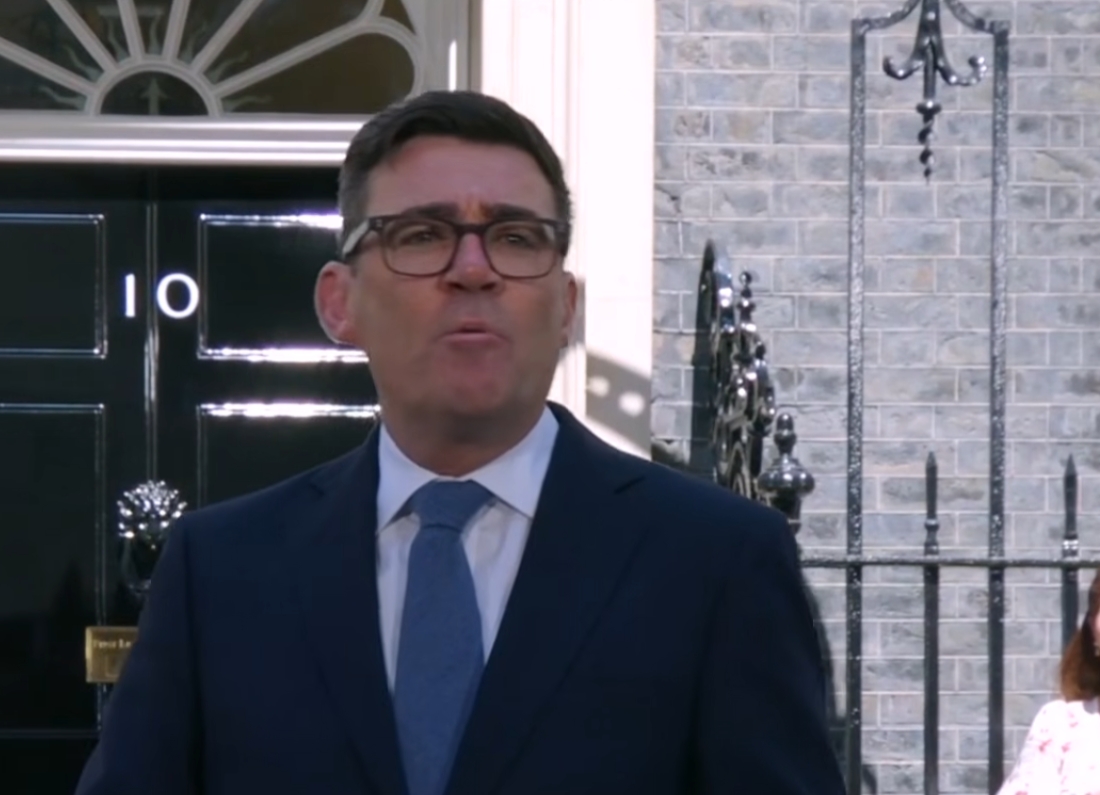
The same YouGov poll found Andy Burnham is the most popular incoming prime minister since Theresa May took over in 2016, a finding that lines up with a separate More in Common poll showing Burnham’s approval ratings are already running higher than Starmer’s ever managed during his entire time in Downing Street.
Whether Farage’s numbers recover once the Clacton result is in, or whether this genuinely marks the moment his personal brand started to properly crack, is going to be one of the more closely watched threads in British politics over the coming weeks.





Leave a Reply