

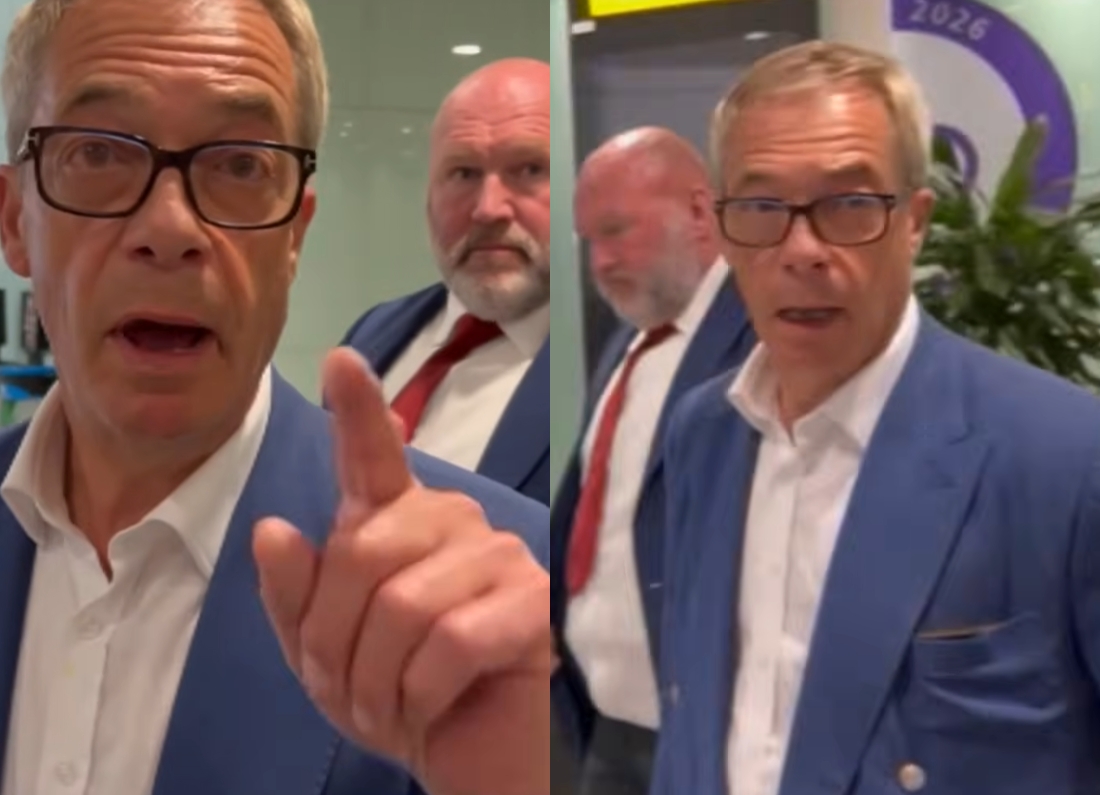
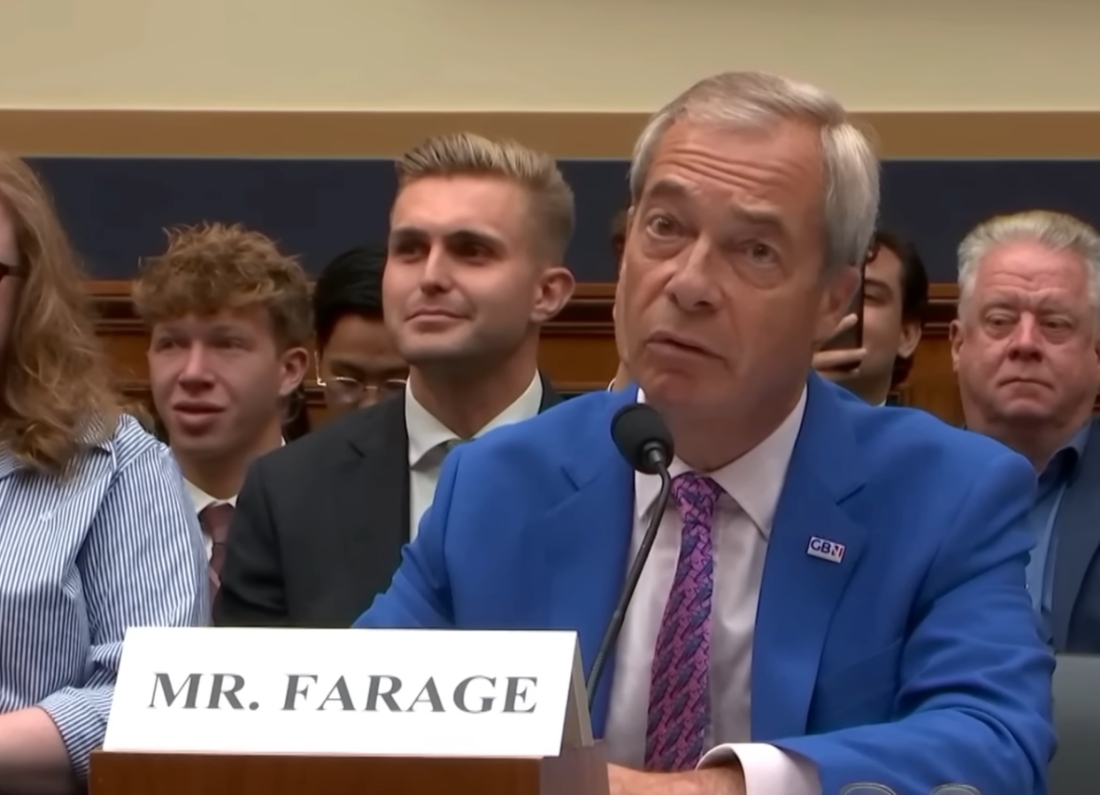
Nigel Farage has announced he is resigning as MP for Clacton, triggering a byelection that he says he will personally contest, in a dramatic escalation that follows confirmation of a second Parliamentary Standards investigation into his undeclared finances.
The new investigation
Farage confirmed in a statement that the Parliamentary Standards Commissioner has opened a fresh investigation into him following the Sunday Times report that he received benefits from convicted criminal George Cottrell in the year before the 2024 general election without declaring them. Farage insists he has followed all parliamentary rules, describing the benefits-in-kind as personal support from an old friend rather than anything connected to his political activities.
In his statement, Farage said “many of the things that were written in the article were wholly inaccurate or indeed irrelevant,” while confirming nonetheless: “Another standards investigation is under way.” He added: “Standards are now being used as a political tool.”
This is a separate matter from the existing investigation into his undeclared £5m gift from crypto billionaire Christopher Harborne, received months before he was elected to Parliament, which Farage has said was for his personal security and unrelated to politics. Farage now faces two separate, live Parliamentary Standards investigations simultaneously, an unprecedented position for a sitting party leader widely regarded as a serious contender to become prime minister.
The resignation
Hours after confirming the new investigation, Farage announced he is resigning as MP for Clacton, a move that automatically triggers a byelection in the seat he won in 2024 with an 8,405-vote majority. Farage has confirmed he intends to contest the byelection himself.
The decision to resign voluntarily, rather than wait for either Standards investigation to conclude, is a striking strategic choice. Farage had reportedly told friends he feared exactly this scenario, a recall byelection potentially forced upon him if the Commissioner found a serious breach and he was suspended from the Commons for ten days or more. By resigning and triggering the byelection on his own terms now, rather than waiting for a possible recall process to force the same outcome later, Farage appears to be attempting to control the timing and framing of the contest rather than have it imposed on him mid-investigation.
Why this matters politically
The move comes at a moment of significant vulnerability for Farage personally, even as Reform’s overall polling position remains relatively strong. A new Ipsos poll found 63% of Britons now dissatisfied with Farage, up sharply from 49% a year earlier, with Andy Burnham preferred as prime minister by a considerably wider margin than Farage enjoys over his own rivals. Reform’s poll lead over Labour has also narrowed to just two points, down five points in a single month, amid what pollsters have described as a “Burnham bounce” ahead of Keir Starmer’s departure.
Robert Jenrick’s attempts to defend Farage’s finances on broadcast media have repeatedly struggled, including a notably difficult exchange with GB News presenter Camilla Tominey, while Farage himself reacted angrily when directly questioned by Sky News about the Cottrell story, accusing the broadcaster of harassing his family, a claim Sky News disputes.
A calculated gamble
Fighting a byelection now, on his own terms, allows Farage to present the contest as a direct referendum on his integrity, an opportunity to secure a fresh personal mandate from Clacton voters while the story is still unfolding, rather than facing a potentially more damaging recall process later, after further investigation findings or additional reporting might emerge. Vox pop interviews conducted in Clacton found a genuinely mixed picture of local opinion, with some residents expressing continued strong support and others voicing open doubt about his honesty, suggesting the byelection outcome is not necessarily a foregone conclusion despite his substantial existing majority.
The strategy also echoes a pattern from earlier in Farage’s career: the 317 Brexit Party candidates he withdrew in 2019 demonstrated a willingness to make dramatic, unilateral tactical decisions at moments of maximum political pressure, reshaping the terms of a contest rather than simply reacting to events as they unfold around him.
What happens next
The byelection timetable will now be set following Farage’s formal resignation as an MP. Reform will need to decide whether other senior figures, potentially including Robert Jenrick, campaign heavily in Clacton on Farage’s behalf, while opposition parties will face their own strategic choices about how aggressively to contest a seat Reform still holds with a substantial majority, but where personal trust in the sitting MP has clearly eroded according to national polling trends.
Whether Farage’s decision to face voters directly, rather than wait for the standards process to potentially force the same outcome, proves to be a shrewd pre-emptive move or a serious miscalculation depends heavily on how Clacton voters respond over the coming byelection campaign, and on whether either of the two ongoing Standards investigations produce further damaging findings before polling day.




Leave a Reply