

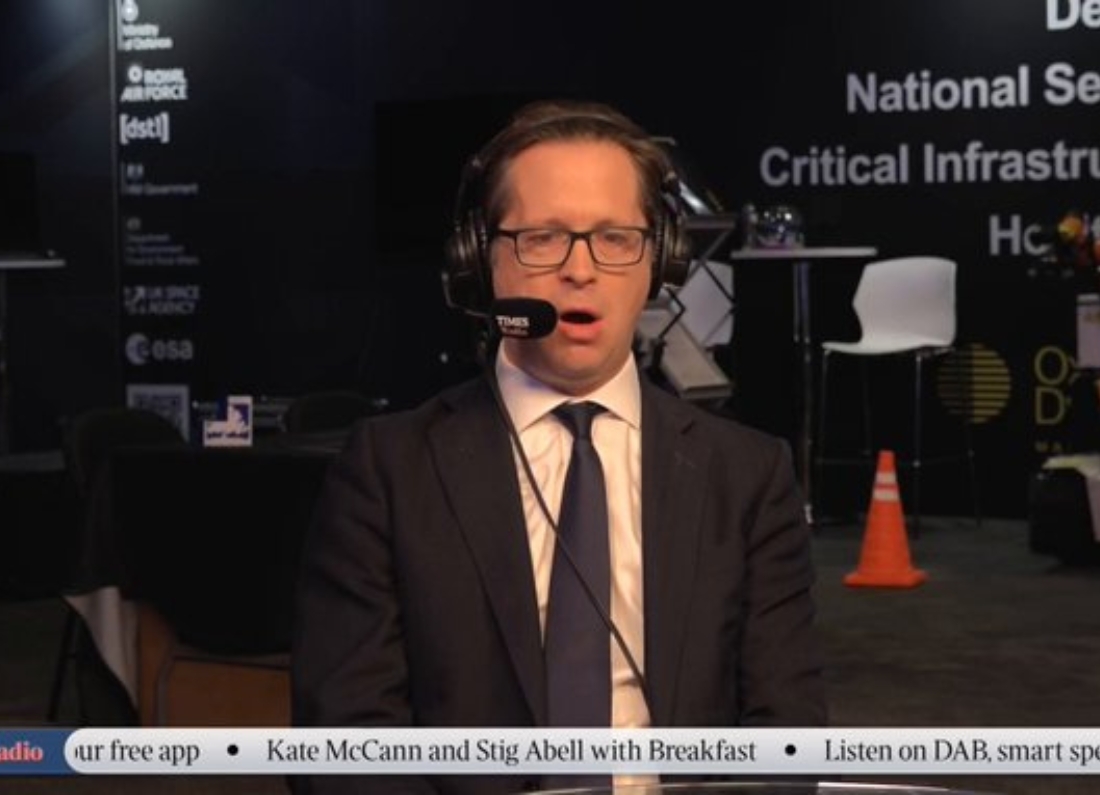
Conservative deputy leader Alex Burghart was left admitting he had forgotten the cost of one of his party’s flagship new policies, less than 24 hours after it was announced at Tory conference.
Burghart appeared on Times Radio on Wednesday morning to defend Kemi Badenoch’s plan to halve employer National Insurance for workers aged between 21 and 24, part of a wider Conservative attempt to tackle rising youth unemployment and persuade businesses to take on more younger staff.
He was able to explain who would benefit and broadly where the Conservatives said the money would come from. But when presenter Kate McCann asked him for the price tag, Burghart could not remember it.
He said:
“The policy is fully-costed. We will fund it by making cuts to welfare, and to Whitehall. As for the cost of it? I’m sorry, I have forgotten that detail.”
The detail he had forgotten was £2.3 billion a year.
That figure had been central to coverage of the policy since the Conservatives unveiled it on Tuesday afternoon.
What are the Conservatives actually proposing?
Under Badenoch’s plan, the main rate of employer National Insurance paid on workers aged 21 to 24 would be cut from 15 per cent to 7.5 per cent if the Conservatives return to government.
The party says the measure would cost around £2.3bn annually after taking account of additional tax receipts and lower welfare spending, with employers saving an average of about £1,545 for every young worker they employ.
Someone aged between 21 and 24 earning £30,000 would save their employer around £1,875 a year, according to Conservative calculations, while the saving could rise to £3,395 for someone earning £50,270 or more before the normal rate resumes.
The Conservatives have pitched the proposal as part of a “rescue plan for young people”, arguing that Labour’s rise in employer National Insurance has made businesses more reluctant to recruit inexperienced workers.
Youth unemployment has risen sharply, with the unemployment rate among younger people reaching 16.4 per cent, its highest level since 2014. The Tories hope reducing the cost of employing people in their early twenties will encourage businesses to hire more graduates and younger workers at the beginning of their careers.
There is therefore a serious policy argument behind the announcement.
Unfortunately for Burghart, the interview became rather more focused on whether the deputy leader of the party could remember how much that serious policy argument would cost.
‘I’m sorry Kate, I’ve forgotten the cost’
Times Radio highlighted the exchange afterwards.
@TimesRadio posted:
“Deputy Conservative leader Alex Burghart can’t tell Kate McCann the cost of his own party’s policy to cut employer’s national insurance for 21-24-year-olds.
‘I’m sorry Kate, I’ve forgotten the cost.’”
Burghart insisted the proposal was nevertheless fully funded and said the money would come from reductions in working-age welfare spending and cuts to Whitehall costs.
That funding claim is important because Badenoch has spent much of Conservative conference trying to convince voters that her tax-cutting agenda will not repeat the unfunded promises associated with Liz Truss’s 2022 mini-budget.
The Conservative leader has repeatedly described her programme as fiscally credible and has promised a much broader package of spending reductions to pay for tax cuts while also reducing borrowing.
Her party says it has identified around £70bn of public spending savings, with roughly half intended for deficit reduction and the remainder available for tax cuts and other priorities.
Against that backdrop, having the deputy leader forget the cost of a £2.3bn tax policy announced the previous afternoon was not exactly ideal timing.
Burghart has only just become deputy leader
Burghart was promoted to deputy leader at the beginning of September during Badenoch’s major shadow cabinet reshuffle.
He replaced no directly elected predecessor because the position was created as part of the reshaped Conservative leadership team, and he is expected to stand in for Badenoch at Prime Minister’s Questions when she is absent.
The Brentwood and Ongar MP is regarded as a close Badenoch ally and adviser who has helped prepare her for major Commons appearances. He also remains shadow chancellor of the Duchy of Lancaster and shadow Northern Ireland secretary.
Burghart first entered Parliament in 2017 after previously working as a teacher, policy researcher and special adviser. He served as Boris Johnson’s parliamentary private secretary before becoming skills minister, later holding posts at the Department for Work and Pensions and Cabinet Office.
His promotion was intended to give Badenoch a trusted figure alongside her as the Conservatives try to rebuild after their heavy 2024 election defeat.
That makes Wednesday’s interview more significant than it would have been if the mistake had come from an MP with no direct responsibility for selling the party’s programme.
Badenoch is trying to make economic competence central again
The Conservatives have used their Birmingham conference to unveil a growing package of tax and spending commitments designed to draw a clear dividing line with Labour.
Alongside the National Insurance proposal, Badenoch has promised changes to inheritance tax and has backed a wider programme of spending restraint. She has argued that Britain is caught in a cycle of high tax, weak growth and rising debt, and wants the Conservatives to reclaim their traditional reputation for fiscal discipline.
That reputation was badly damaged during the Truss premiership, when the 2022 mini-budget triggered turmoil in financial markets and eventually helped end her government after just 49 days.
Badenoch has therefore been particularly keen to stress that her own tax cuts would be accompanied by identifiable spending reductions rather than additional borrowing.






Leave a Reply