

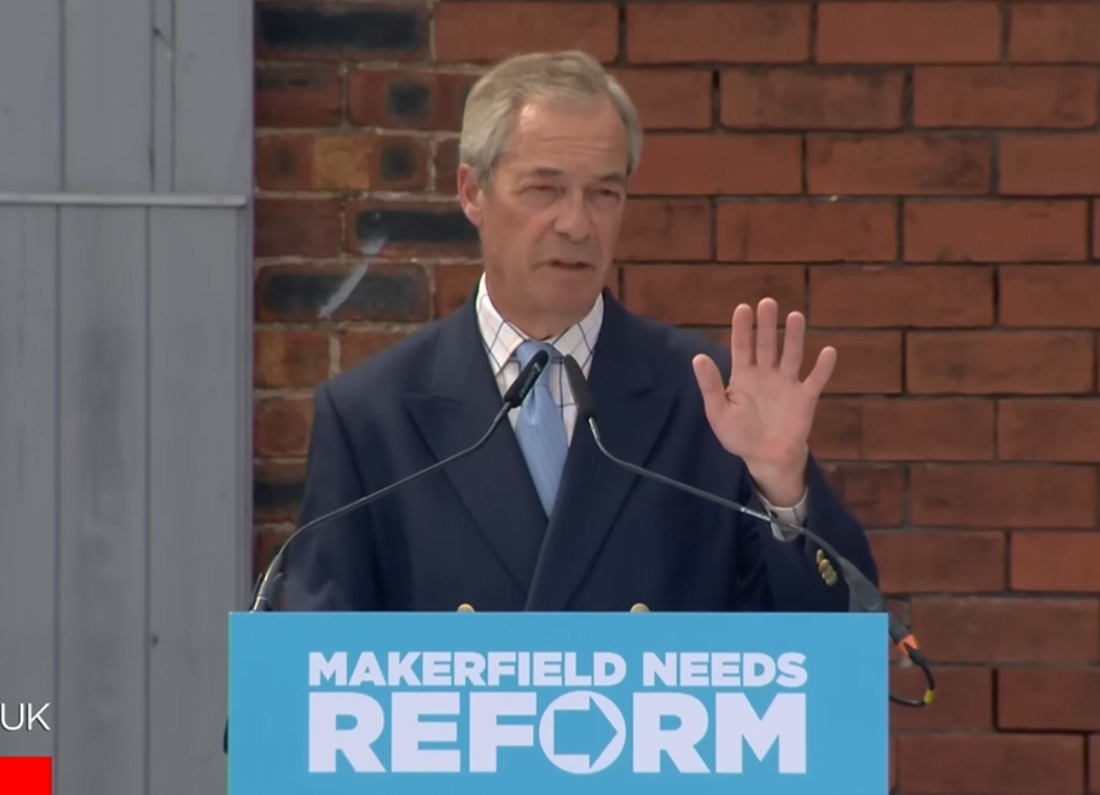
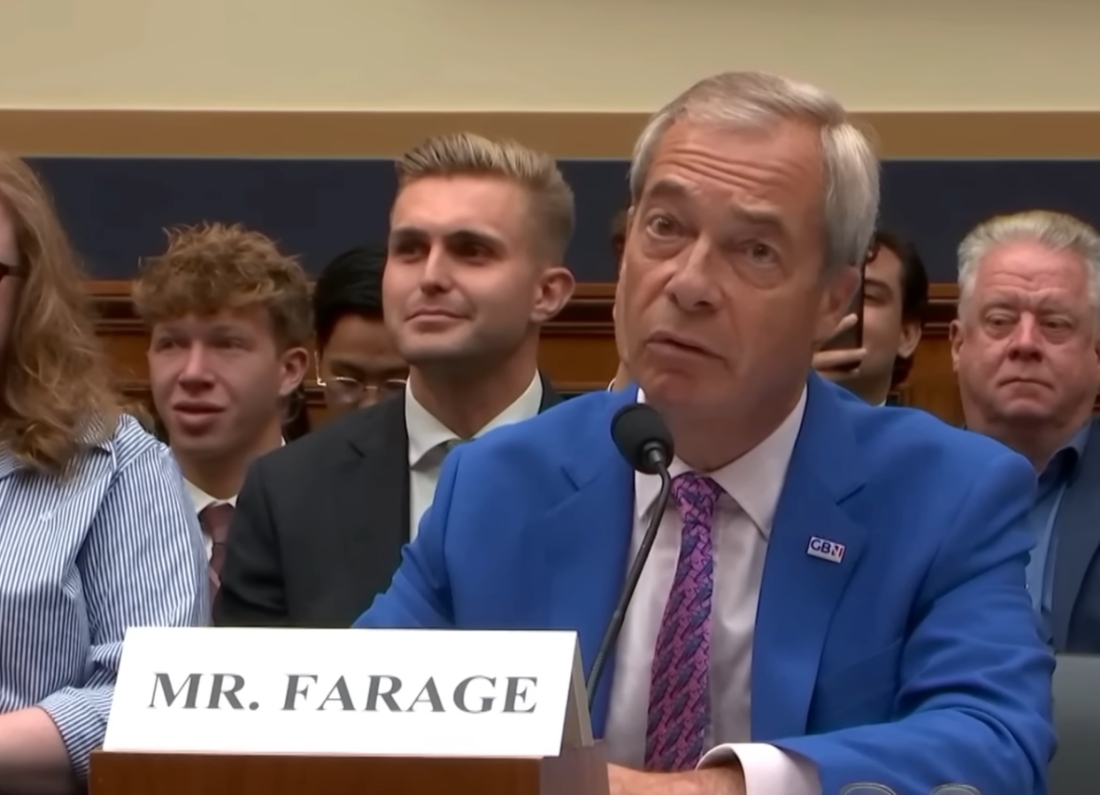
Dissatisfaction with Nigel Farage has risen sharply over the past year amid growing scrutiny of his finances, according to a new Ipsos poll. Almost two-thirds of Britons, 63%, said they are “dissatisfied” with the Reform UK leader in June 2026, compared to 49% in June 2025. Just 26% said they were satisfied with him this year, unchanged from the same figure in 2025, meaning the gap between satisfaction and dissatisfaction has widened dramatically over the past twelve months.
Why the numbers have moved
The findings arrive as Farage remains under investigation for failing to declare a £5m donation from crypto billionaire Christopher Harborne shortly before he was sworn into Parliament. He maintains he broke no parliamentary rules, arguing the sum was not connected to political purposes. The Sunday Times has separately revealed that Farage failed to declare support he received from convicted criminal George Cottrell before his election. A Reform spokesperson responded: “Contrary to the story’s tone, no parliamentary rules have been broken.”
Reform’s Treasury spokesperson Robert Jenrick insisted on Sky News on Sunday that the heightened scrutiny has had no impact on the party’s popularity. The polling data offers a more complicated picture than that claim suggests.
The polling in detail
Ipsos found that 26% of Britons would vote for Reform if a general election were held tomorrow, meaning the party retains its lead in voting intention even amid the intensifying finances row. However, that lead has narrowed considerably. Research conducted between 25 and 30 June, surveying more than 1,000 adults, showed Reform’s lead over Labour had fallen to just two points, down five points on the previous month. Reform’s own support dropped a single point compared to May, while Labour’s support jumped four points to 24%. The Conservatives sat third on 18%, with the Greens on 13% and the Liberal Democrats on 11%.
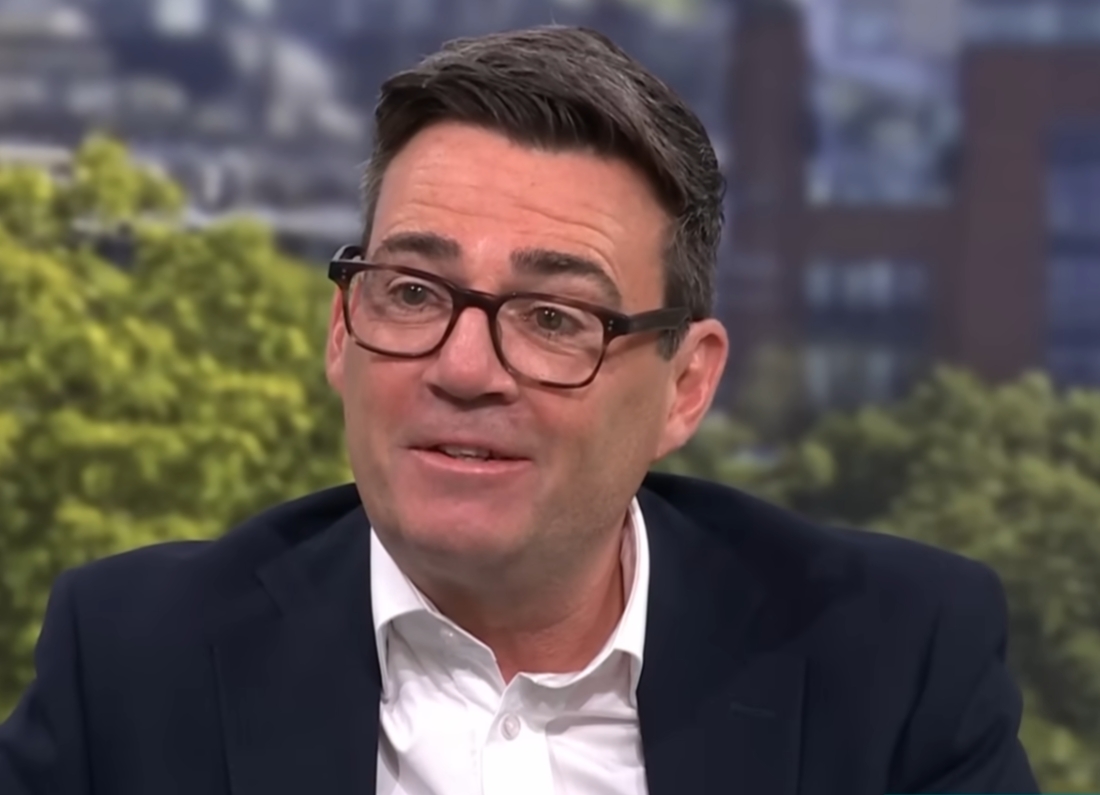
Labour’s improvement is widely attributed to what pollsters are calling a “Burnham bounce,” reflecting anticipation of Andy Burnham taking over from Keir Starmer, who is due to stand down on 17 July.
The preferred prime minister question
The gap becomes starker when voters are asked who they would prefer as prime minister. Ipsos found 30% named Burnham as their preferred choice, compared to just 16% for Farage and 13% for Conservative leader Kemi Badenoch. That 30-point figure for Burnham, against Farage’s 16%, represents a considerably wider margin than the narrow two-point gap in general voting intention, suggesting personal trust in Farage specifically may be deteriorating faster than support for Reform as a party.
A further complaint on the way
Farage has dismissed the Cottrell revelations as “an establishment hit job,” but faces the prospect of yet another Commons sleaze investigation after being formally reported by Liberal Democrat MP Josh Babarinde. Robert Jenrick’s own attempts to defend Farage’s finances have not gone smoothly in recent broadcast appearances, with GB News presenter Camilla Tominey pressing him particularly hard on the Cottrell story, and Farage himself reacting angrily when directly questioned by Sky News, accusing the broadcaster of harassing his family, a claim Sky News disputes.
What the pollster makes of it
Keiran Pedley, director of politics at Ipsos, offered a measured assessment of what the numbers mean for Labour specifically, rather than simply framing them as bad news for Reform. “With Labour narrowing the gap with Reform UK, public doubts over whether Reform UK or the Conservatives are ready for government and Andy Burnham preferred as prime minister to Kemi Badenoch and Nigel Farage, Labour will be more optimistic about the future than they were a month ago.”
But Pedley was careful to note the picture remains unsettled for Burnham too. “However, the jury is out with the public on whether Burnham himself is ready to be prime minister and whether a Burnham government will deliver in office. Which suggests he will have to start well to convince a sceptical public his government can succeed where others are perceived to have failed.”
Why the numbers don’t fully match Jenrick’s claim
Jenrick’s assertion that scrutiny “has not had an impact” on Reform’s popularity is difficult to reconcile with the underlying data. While Reform’s headline voting intention figure has held up reasonably well, falling only a single point, the collapse in Farage’s personal satisfaction rating, and the widening gap between his and Burnham’s standing on the preferred prime minister question, suggests the finances story is doing real damage to Farage’s personal brand even if it has not yet translated into a comparable collapse in the party’s overall vote share.
Whether that gap between personal and party polling can hold, particularly with a further potential Commons sleaze investigation now looming following Babarinde’s complaint, is likely to be one of the more closely watched dynamics in British politics over the coming weeks, as Reform continues to present Farage as both its greatest electoral asset and, increasingly, its most significant point of vulnerability.





Leave a Reply