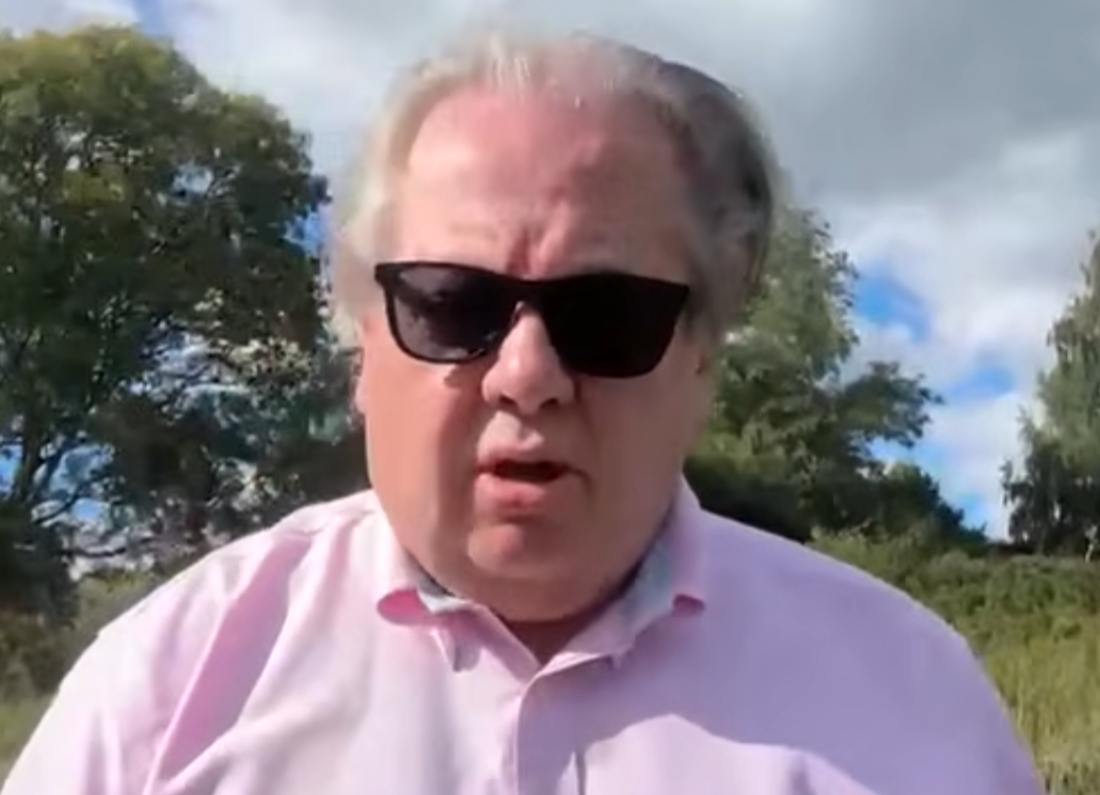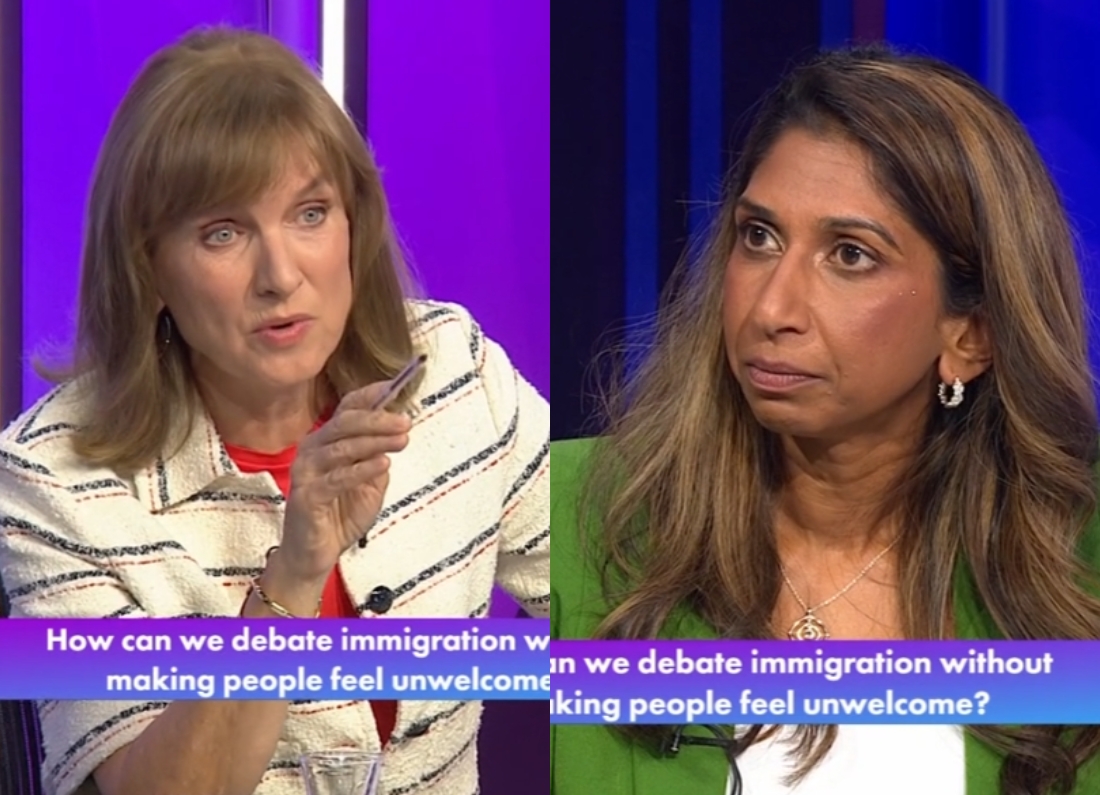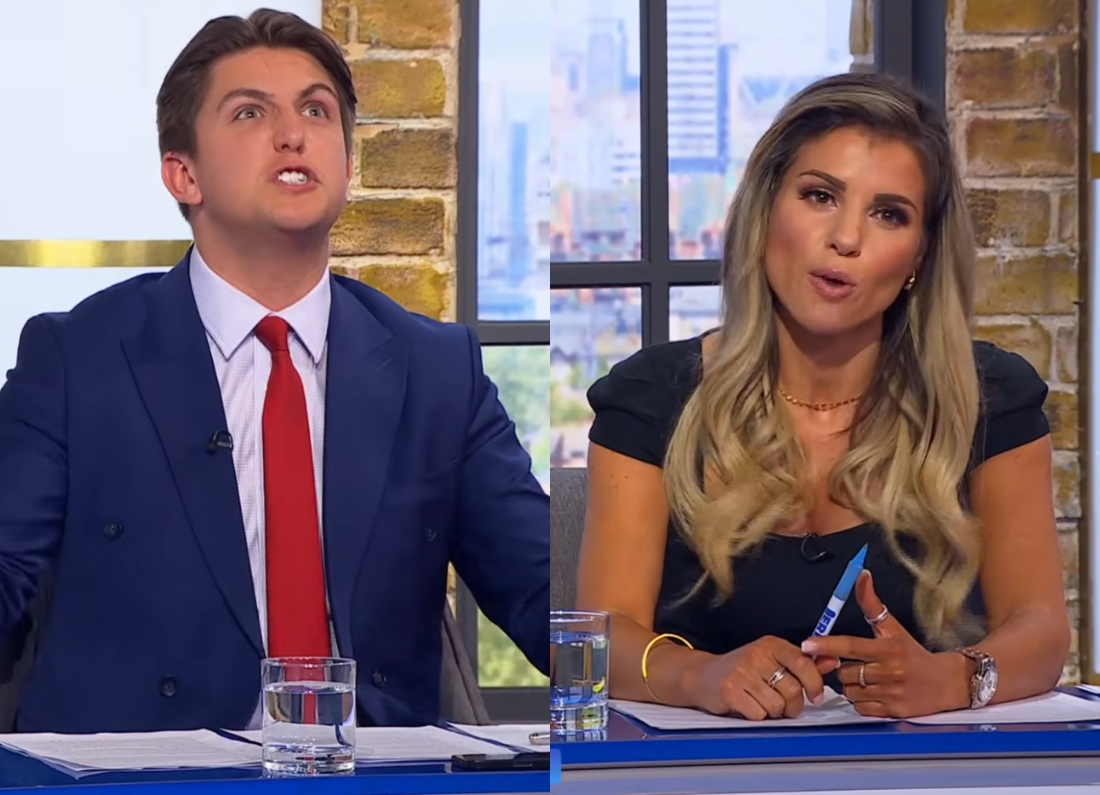
Marina Purkiss confronted Reform UK’s 19-year-old dual council leader George Finch on Jeremy Vine over the party’s Makerfield byelection candidate Robert Kenyon, calling him “sick” and a “self-admitted sexist,” demanding to know whether Finch personally wanted Kenyon in parliament and accusing him of insulting working-class people by presenting Kenyon as their authentic voice. Finch’s defence: Kenyon had “apologised” and was “a changed man.”
Finch, who serves as leader of both Warwickshire County Council and Nuneaton and Bedworth Borough Council, became the subject of widespread attention last year as Britain’s youngest council leader – he was interim leader at 18. He appeared alongside Purkiss, a left-wing political commentator, on Jeremy Vine, with both appearing to be meeting for the first time.
On Kenyon
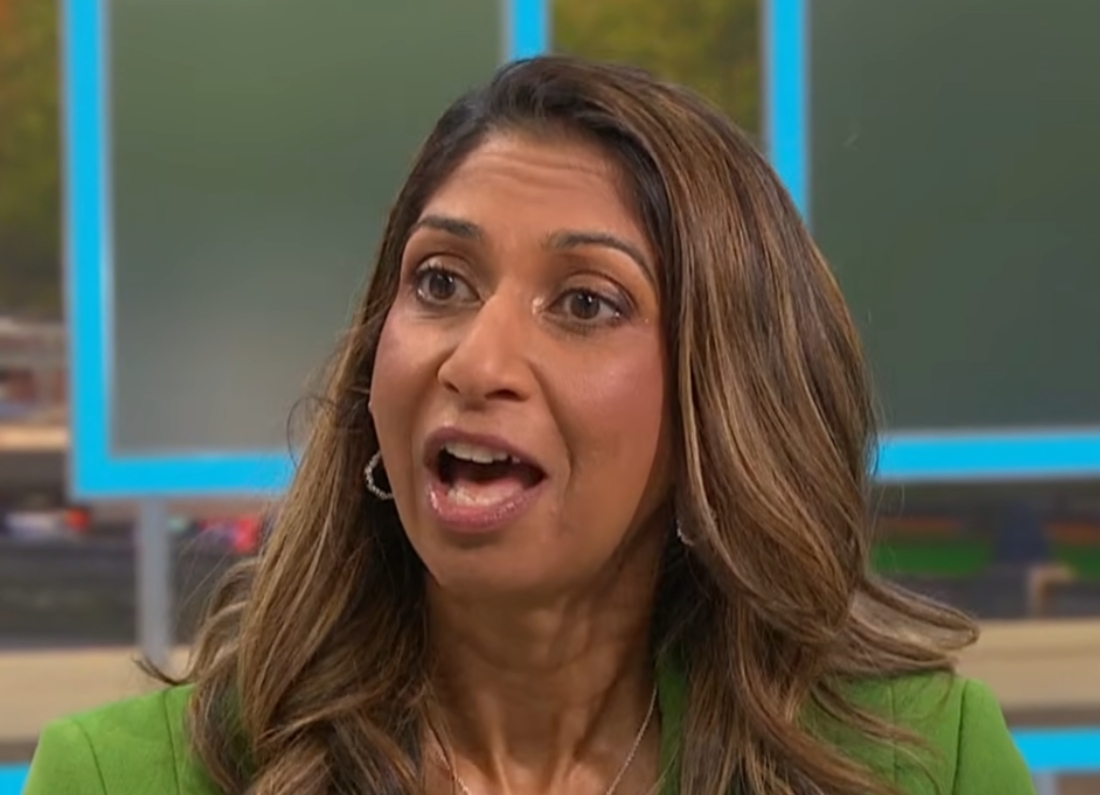
Purkiss went directly at the Makerfield question with specific and documented evidence. “I am appalled by this man,” she said of Kenyon. “He is a self-admitted sexist. He says women can’t drive. He slates British women – he says they walk around with their bellies out pushing their prams. If it was a European woman, he would take a bazooka to get him off them. He says women use abortions as a form of contraception. This is the person Reform will put into government to shape legislation.”
Her specific challenge to Finch was personal: “Do you want Robert Kenyon in Parliament?”
Finch’s answer was to defend Kenyon, claiming the candidate had “made comments previously and apologised for them.” When Purkiss pressed, he said Kenyon had “made those mistakes years ago, apologised for people, and he’s a changed man.”
Purkiss’s response was the line that has since been circulated widely: “Don’t you dare suggest that working-class people hold beliefs like Robert Kenyon. It’s an insult.”
The specific argument is important. Reform’s entire pitch for Kenyon – as we reported in our Kenyon interview piece – is that he is an authentic voice for working-class Makerfield because he is a plumber, born locally, and “not polished.” Purkiss is challenging directly whether those documented views represent working-class communities or insult them.
It is also worth noting Finch’s factual error. As we reported in our full Kenyon investigation, Kenyon has not apologised for his posts. When the MEN gave him the specific opportunity to apologise to Carol Vorderman during his only interview, he declined. As we reported in our Carol Vorderman piece, he said “I think I’ve addressed the issue” before pivoting to attack Vorderman about grooming gangs. That is not an apology.
On the British Empire
Before the Kenyon exchange, the programme had already produced a revealing debate about the teaching of history. Finch said he had been studying to become a history teacher but left the profession because he disagreed with how the British Empire was taught. “Everything was bad. We did nothing good in the world ever,” was his characterisation of how history was taught in schools.
Purkiss pushed back directly. “The British Empire achieved wonderful things for Britain, but you cannot get away from the fact that they went over to other countries, raped, pillaged, stole.”
Finch’s response: “We installed democracy, religion, big infrastructure, trade.”
Purkiss: “So if the Muslims decided to come over here and say, ‘do you know what, we’ll install our democracy’ – how does that work for you?”
Finch accused her of parroting the teaching that had driven him to leave the profession and join Reform: “That’s exactly the arguments they’re using in our schools and it’s indoctrinated our children.”
The exchange distils a specific argument that has been running through the culture wars for years: whether acknowledging the specific harms of empire in educational settings constitutes “indoctrination” or basic historical accuracy. Finch’s framing – that teaching about atrocities constitutes saying Britain “did nothing good” – is the standard move in that argument. Purkiss’s move was to use Finch’s own logic against him by asking how he would receive colonialism if it were applied to Britain.
On the Pride flag, Black History Month and council tax
The interview also covered Finch’s record as council leader. His first decision on taking office was to take down the Progress Pride flag from public buildings. He was careful to specify it was the Progress flag rather than the Pride flag, and noted it had lacked planning permission – a detail that did not satisfy Purkiss, who said the decision was “weird” given everything else he could have done with power.
On Black History Month, Finch said he believed “it shouldn’t be promoted or supported by the council and local taxpayers.” When Purkiss pressed him on this, she made the argument that he was “choosing the bits of history that are taught – Britain is great and empire is great – and not teaching the bits of history that you don’t like.”
On council tax – Reform having campaigned on cutting it – Finch acknowledged his council raised it, arguing Warwickshire’s increase of 3.8% was lower than what the Conservatives, Lib Dems, Greens and Labour had proposed. He drew a distinction between national Reform promises and local council decisions, saying his leaflets had promised “fiscal responsibility” rather than a specific cut.
As we reported in our Reform first year governance piece, the council tax argument has followed Reform across multiple councils – the party that promised to cut it has consistently raised it when in power, citing service pressures including home-to-school transport and special educational needs deficits.
The Kenyon context
Finch said he would be travelling to Makerfield the coming Saturday for the first time to assess the campaign. The accumulated controversy surrounding Kenyon as we have reported across multiple pieces – the neo-fascist Facebook connections, the deleted accounts and Southport disinformation, the sexism on the RLFans forum, the Russia Crimea endorsement – was clearly not something Finch was fully prepared to address. He knew enough to know Kenyon had “made comments” and “apologised.” He did not appear to know what the specific comments were or that no apology had been issued.
As we reported in our 99 Reform councillors piece, this is a party where representatives are frequently discovered to have said things their leadership either didn’t know about or chose not to vet. Finch’s unfamiliarity with the specifics of Kenyon’s record – having to defend him in a national broadcast without apparently knowing what he had said – sits within that pattern.
You can watch the video below:
The byelection is 18 June.