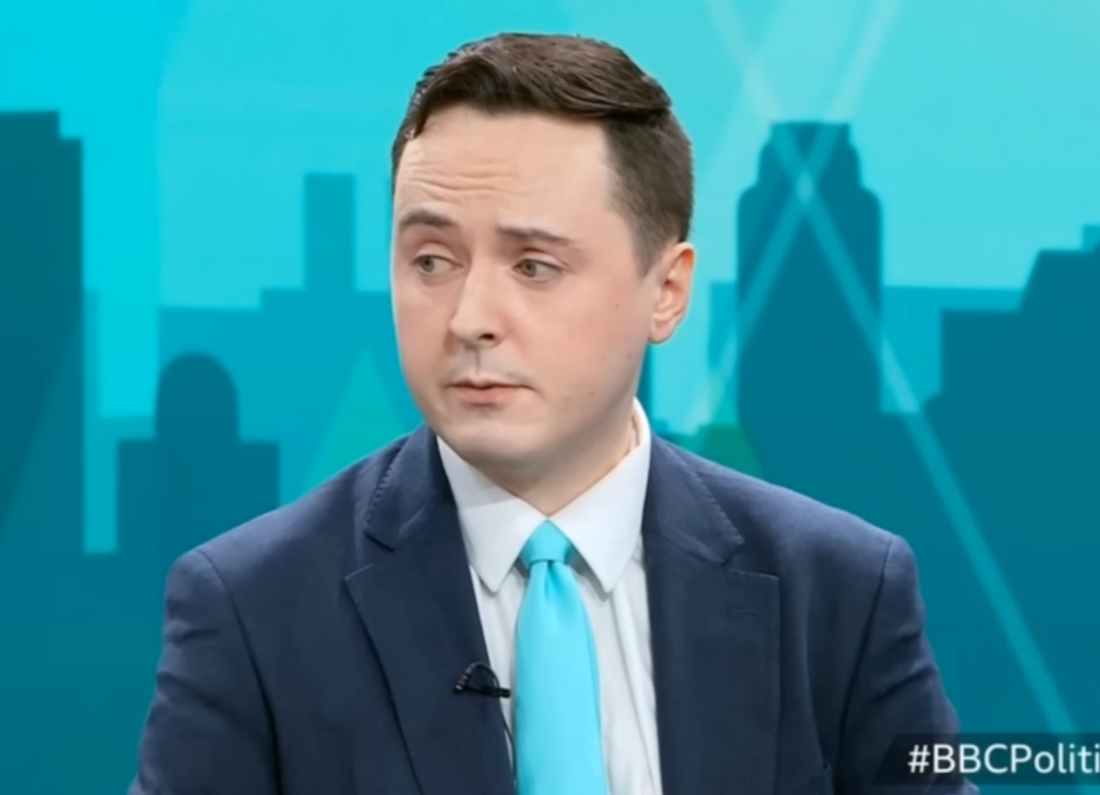
Trade unions have raised more than £15,000 to save the annual Durham Pride festival after Durham County Council’s deputy leader – Reform UK’s Darren Grimes – cut the council’s contribution and promised not a “single penny” would go to the event. The fundraising total is more than six times the £2,500 the council had previously contributed. The TUC responded by invoking the 1980s solidarity between the LGBT community and striking miners.
Equity alone donated £7,200. Other unions contributed to take the total well past £15,000. Durham Pride, which has been held since 2014, attracted 20,000 people to its most recent county-wide event.
What Grimes said – and why it matters who he is
Darren Grimes, who serves as deputy leader of Durham County Council under Reform, announced the funding cut in August last year. “Not a single penny will go to Pride,” he said, arguing the money would go instead to “the services everyone relies on, not on flying the latest alphabet flag for the professional offence industry.”
On X he elaborated: Pride had “morphed into a travelling billboard for gender ideology and political activism that many in the gay community – myself included – want no part of. Taxpayers shouldn’t be bankrolling it.”
Grimes is himself gay – a fact he invoked to deflect from the specific framing of his decision. The same rhetorical move appears in Reform’s broader posture on LGBTQ+ issues: presenting opposition to Pride funding not as hostility to gay people but as opposition to “political activism” and “gender ideology.” It is a position that Carol Vorderman specifically addressed when she spoke about Reform’s record on women and LGBTQ+ rights in the context of our Kenyon interview coverage.
The “professional offence industry” framing also has a specific political function. It positions Pride – an event that began as a response to police raids on gay bars and was shaped by the AIDS crisis – as a form of identity politics rather than civil rights expression, allowing its defunding to be presented as fiscal responsibility rather than discrimination.
The unions step in – and the historical echo
Equity’s president Lynda Rooke made the union’s position clear. “We will not allow a Pride event that brings work for our members and celebrates our performers to die. I am proud to announce that Equity has stepped up. What’s even better is that this new agreement, signed between Durham Pride and Equity, will ensure decent standards for all our members and our workers. We are sending a message to Reform and any other group that is planning on attacking the cultural sector, which is: we see you, we will fight you, and we will succeed.”
The TUC’s statement in support of the fundraising invoked a specific and resonant piece of history. “In the 1980s, the LGBT+ community raised thousands of pounds to help striking miners and their families. When we stick up for each other, we can achieve anything.”
The reference is to the Lesbians and Gays Support the Miners campaign of 1984-85, in which LGBT groups – at a time when Section 28 was approaching and the AIDS crisis was beginning – collected money for mining communities during the miners’ strike. The solidarity was specific and documented: gay groups from London drove to south Wales pit communities, were initially met with suspicion, and built lasting relationships. The Durham coalfields were among the communities that benefited. The story was dramatised in the 2014 film Pride. The TUC is drawing a direct line: the communities Reform is defunding are the same communities that once helped theirs.
What the organiser said
Mel Metcalf, Durham Pride’s organiser, accepted Equity’s donation with words that will be used on placards. “I don’t think you realise how much this really means to a small charity like ours. It’s our 15th year and what we’ve learned is that nobody can stop Pride. They said Pride won’t happen, Pride is finished, Pride is done. But they don’t control Pride, we do. So show up for Pride and get the banners out!”
The “they don’t control Pride, we do” is the specific rebuttal to the Reform framing. Reform’s argument is that council funding gives it leverage over what Pride is and who controls it. The trade union response is that Pride exists independently of council funding, that the community controls it, and that the loss of £2,500 is not an ending but a provocation.
The Reform context
As we reported in our Reform first year in local government piece, Durham County Council under Reform has become an early test case for what Reform governance looks like in practice. The Pride funding cut is one of the most visible cultural policy decisions the party has made since taking control. As we reported in our 99 councillors tracker, some of the specific suspensions from Reform have involved Islamophobic and anti-LGBTQ+ content.
Reform’s Equality Act position – as confirmed in their response to the Kenyon MEN interview as we reported in our Kenyon interview piece – is to replace the Act with what they call a “Workplace Fairness Act” on the grounds that the current Act “has allowed this country to be ripped apart by diversity, equality and inclusion, allowing discrimination against white working class boys in favour of giving unfair advantages to other groups.”
The Durham Pride funding cut is that policy, in practice, at local government level. The trade unions’ response is that civil society will fund what the state withdraws from – and that solidarity, as the 1980s miners demonstrated, is worth more than a line in a council budget.