

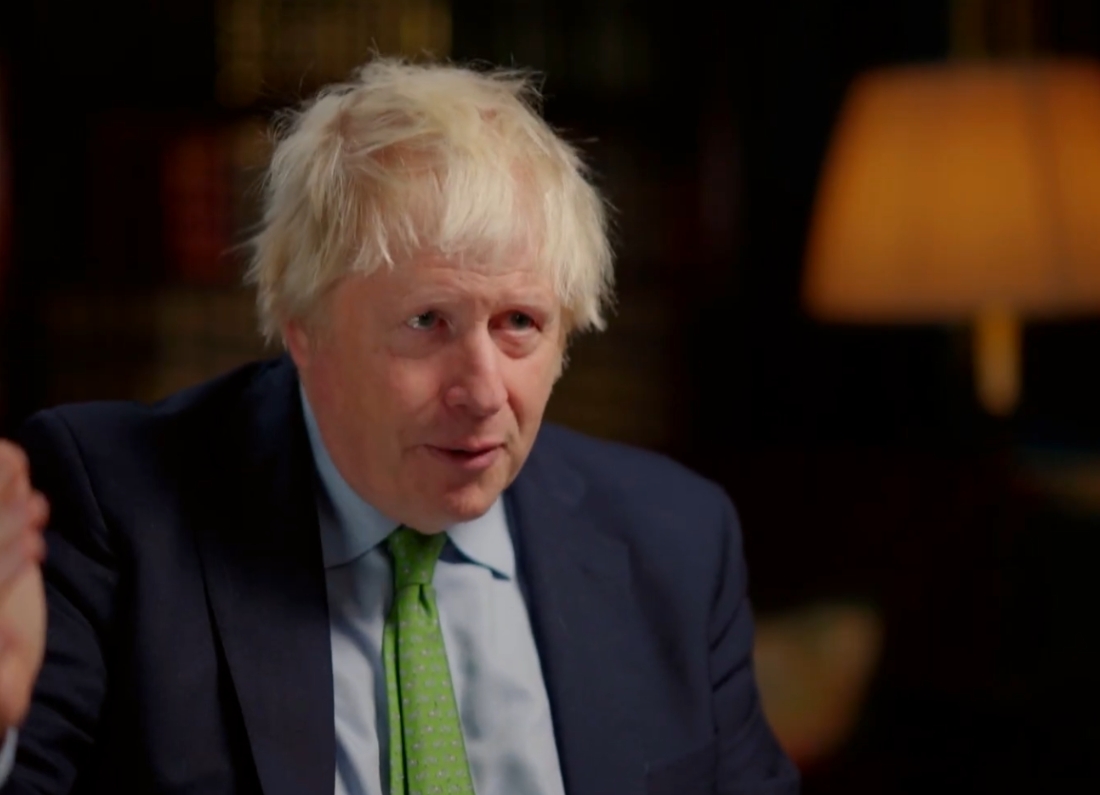
Boris Johnson reckons he’s found the real culprit behind Putin’s first invasion of Ukraine. It’s not Putin. It’s Ed Miliband.
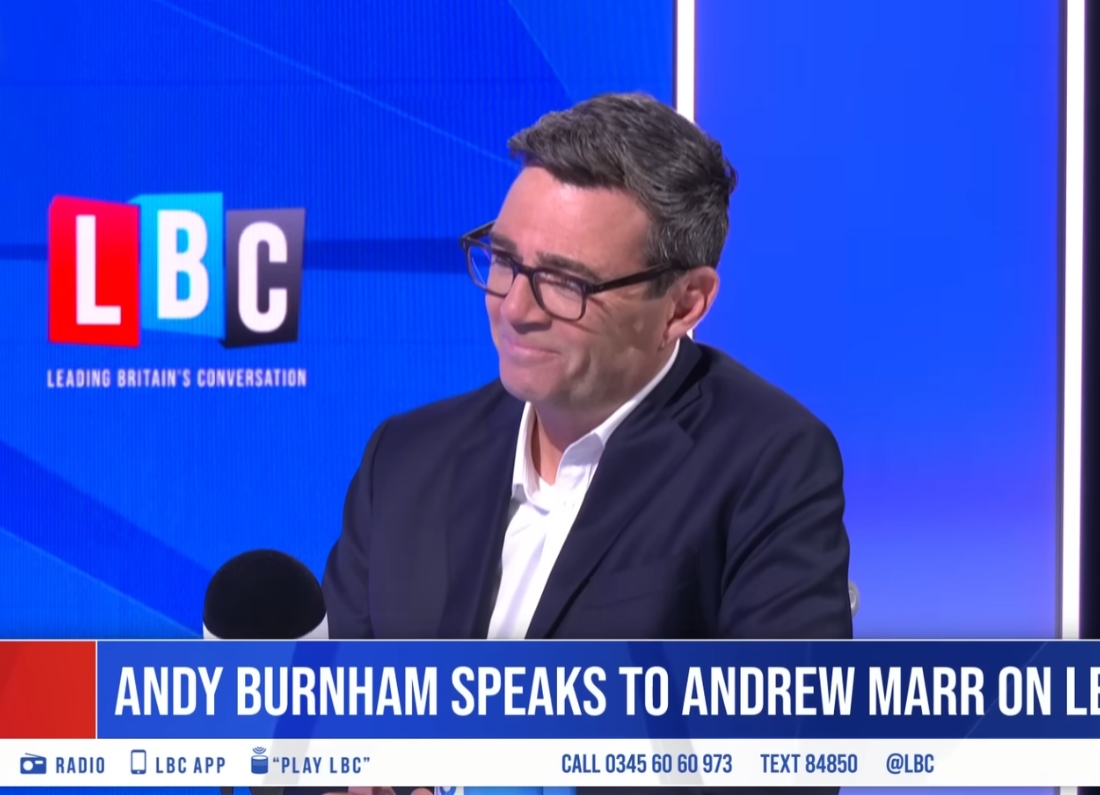
Johnson went after Andy Burnham’s decision to move Miliband from the energy department into the Foreign Office, claiming the Kremlin would be thrilled to have him as Britain’s top diplomat. Sharing a Telegraph piece on the appointment, Johnson wrote: “This is spot on. The failure to stand up to Bashar al-Assad, for which Miliband bears much guilt, led directly to Putin’s first invasion of Ukraine. An appalling choice for foreign secretary. The Kremlin will be delighted.”
That’s quite a claim to make. Historians, diplomats and security experts have spent over a decade picking apart why Russia invaded and annexed Crimea in 2014. Johnson has apparently worked out it all traces back to a British opposition leader voting against a vague plan for military action in Syria the year before. Putin, the man who actually gave the order, seems to have slipped a fair way down the list of people responsible in this telling.
What actually happened in 2013
The row goes back to a Commons vote in August 2013, called after forces loyal to Syrian president Bashar al-Assad were accused of using chemical weapons in Ghouta. David Cameron recalled Parliament and tried to win support for Britain joining a possible military response alongside the US.
Miliband, then Labour leader, argued Cameron hadn’t set out a clear enough plan. Labour wanted MPs to wait for the UN weapons inspectors’ findings and pushed for more clarity on the legal basis, the actual purpose, and what might happen next. The government’s motion was defeated, 285 votes to 272.
Miliband led the opposition to it, but he didn’t single-handedly sink the vote. Thirty Conservative MPs rebelled too, along with several Lib Dems who wouldn’t back their own coalition government. Plenty of MPs were still wary of another Middle East intervention after Iraq. Others simply thought Cameron hadn’t explained what a limited strike was meant to achieve, or what would happen if Assad hit back.
It also wasn’t a straight choice between “remove Assad” and “let him carry on unchecked.” It was a vote on a potential military response to chemical weapons use, with real uncertainty about how far it would actually go. Johnson’s version turns a genuinely complicated parliamentary and international dispute into a neat little story where Miliband single-handedly stopped Britain from stopping a dictator. The record shows Cameron lost by 13 votes, with MPs from several parties involved.
Miliband still stands by it
He’s said repeatedly he doesn’t regret how he voted. Asked about it after Assad’s regime eventually fell, he told Sky News Britain had been offered the possibility of a limited bombing campaign with no real explanation of where it might lead. “There was no plan for what this British involvement would mean, where it would lead and what the consequences would be,” he said.
His argument was straightforward: after Iraq, Britain shouldn’t enter another conflict without a clear objective and a credible way out. Critics say the failure to act weakened Western deterrence and let Assad keep committing atrocities, and that it may have signalled to Russia that Britain and America lacked the stomach to back up their own warnings.
That’s a fair foreign policy argument to have. It’s a completely different thing from claiming a Commons vote “led directly” to Russia invading Ukraine.
Washington didn’t strike Assad either
Johnson’s version conveniently skips what happened in the US too. Obama had called chemical weapons use in Syria a “red line,” then decided against immediate air strikes anyway and went to Congress for approval. The US ultimately went along with a Russian-brokered deal for Syria to surrender and destroy its declared chemical stockpile instead.
Britain’s vote shaped the mood, sure, but Ed Miliband didn’t command the American military or make Obama’s decisions for him. Any serious argument that Western hesitation over Syria affected Putin’s thinking has to include the choices made in Washington, across Europe, and by NATO as a whole, not just one vote in the Commons.
It also has to reckon with Russia’s actual track record. Putin had already invaded Georgia in 2008, five years before this Syria vote even happened. The Crimea annexation followed Ukraine’s Maidan revolution, the removal of Kremlin-backed president Viktor Yanukovych, and Moscow’s fear that Ukraine was drifting decisively westward. Russia also had its own strategic reasons to want Crimea, not least its Black Sea Fleet base at Sevastopol.
None of that rules out Putin reading Western caution over Syria as weakness. Leaders do study how their rivals respond to crises. But saying that might have played some small part in his calculations is a completely different claim from saying Miliband’s vote “led directly” to an invasion of an entirely different country.
Johnson’s own position on Assad wasn’t always this clear-cut
He’s made versions of this argument before. As foreign secretary in 2016, he suggested Parliament’s decision had left a vacuum that Russia then filled by backing Assad’s government.
His own stance later got noticeably softer. In January 2017, giving evidence to the House of Lords International Relations Committee, Johnson said Britain might have to accept Assad standing in a future election as part of a political settlement. “Our position is that Bashar al-Assad should go, but we are open-minded about how that happens and the timescale on which that happens,” he said, and when asked directly whether Assad could contest a UN-supervised election, he said it was a possible outcome. He talked about Britain needing to be “realistic” given how much conditions in Syria had changed, and admitted the old demand for Assad’s immediate departure no longer carried much weight.
That’s not the same as supporting Assad, Johnson later called him a “monster” and demanded Russia stop backing him. But it does show that even Johnson, at the time, understood how limited Western leverage actually was, and how complicated the question of what should replace Assad really was.
His latest post gives Miliband none of that same nuance.
Why Burnham actually picked Miliband
Miliband became foreign secretary on Monday as part of Burnham’s first Cabinet, assembled after taking over from Keir Starmer. The move takes him out of energy policy but keeps one of Labour’s most experienced hands in a senior role.
He led Labour from 2010 to 2015, served in Cabinet under Gordon Brown before that, and more recently ran international climate and energy negotiations as Starmer’s energy secretary. People close to Burnham reportedly think that experience gives Miliband exactly the kind of diplomatic grounding the Foreign Office needs right now, given he’s inheriting wars in Ukraine and Iran, a genuinely difficult relationship with China, and growing friction between Britain’s commitment to international law and whatever the Trump administration currently wants.
Critics see it rather differently, as a needlessly provocative pick at a moment when Britain really needs to stay close to Washington.
Trump’s team apparently aren’t thrilled either
The White House is said to have raised concerns about Miliband taking on an internationally facing role. He’s previously called Trump a “racist, misogynistic, self-confessed groper,” and has been consistently critical of Trump’s approach to climate change. His opposition to new North Sea oil and gas drilling also puts him at odds with a president who’s repeatedly pushed Britain to expand fossil fuel production.
The Times reports that figures inside the Trump administration are sceptical about the appointment and expect a rocky relationship. That hasn’t turned into any official public rejection from the White House, at least not yet.
Business Secretary Jonathan Reynolds insisted the appointment won’t damage UK-US relations. Asked about Miliband’s past comments about Trump, he pointed out members of Trump’s own administration have said plenty of robust things about each other too. “They are quite a robust bunch over there in the US, and I know they’ll have their priorities. We’ve got ours,” he told Sky News. “Can we work together on lots of things in the mutual interest of both countries? Absolutely, we can.”
The first real test comes when Miliband meets US Secretary of State Marco Rubio at the ASEAN summit in the Philippines.
Putin is responsible for Putin’s invasion
Johnson’s entitled to think Miliband got the 2013 call wrong. Plenty of people genuinely believe Britain’s failure to act after Assad’s chemical weapons use damaged Western credibility and emboldened Russia. Miliband’s defenders can just as reasonably argue that bombing Syria with no clear plan risked opening up another endless conflict with consequences nobody had properly thought through.
That argument was never going to be settled either way. What Johnson can’t actually establish is the direct causal line he’s claiming. That Commons vote didn’t force Putin to annex Crimea, arm separatists in eastern Ukraine, or launch the full invasion he ordered in 2022. Those were choices the Russian president made in pursuit of his own goals.
Blaming Miliband might make for a punchy line against Burnham’s new Cabinet, but it does something else too, it quietly lets the man who actually sent troops into Ukraine off the hook. There are genuinely serious questions worth asking about Miliband’s judgment, his approach to Washington, and whether years of criticising Trump personally is going to complicate Britain’s most important relationship. Blaming him for Putin’s invasion just isn’t one of them.





Leave a Reply