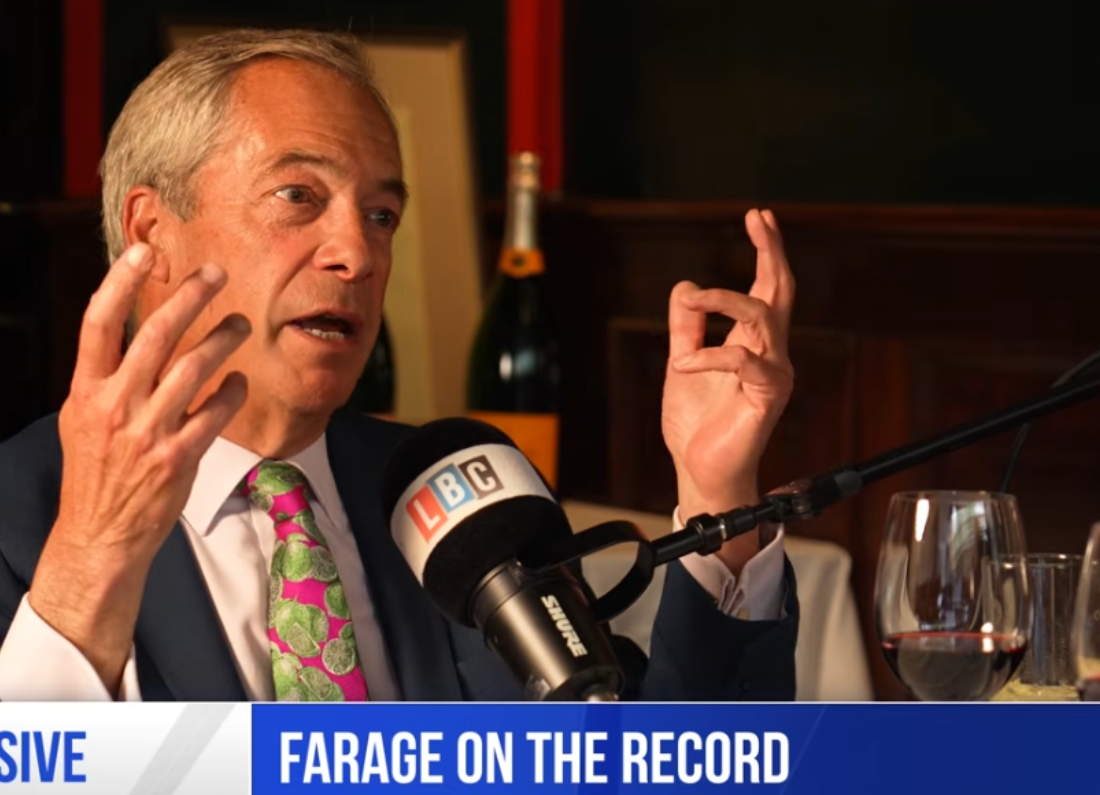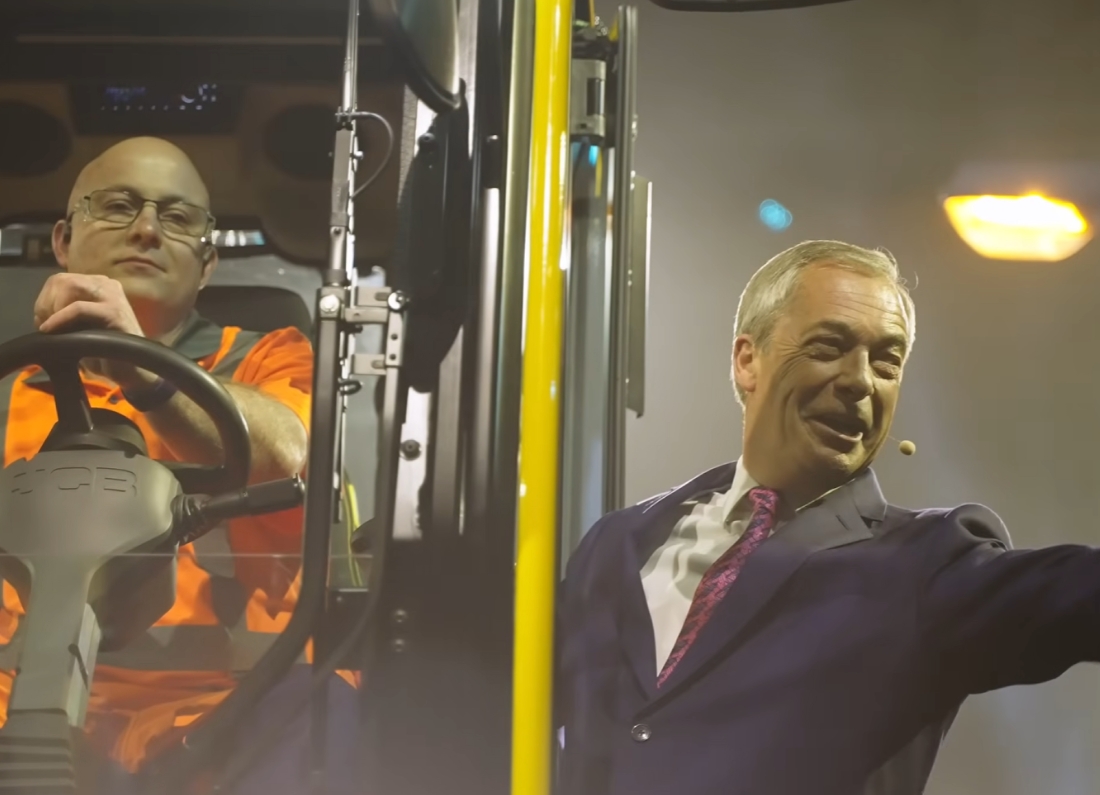
Nigel Farage has been absent for 77 consecutive Parliamentary votes over 11 weeks, is ranked in the bottom 8% of all MPs for voting participation and has the lowest voting rate of any Reform UK MP, according to official parliamentary figures tracked by TheyWorkForYou and mpdata. The data arrives in the same week that a petition calling for statutory MP attendance rules passed 10,000 signatures and forced a government response – as we reported in our MP attendance petition piece – a petition triggered in part by precisely the kind of conduct these figures document.
Farage last registered a vote in the House of Commons on Wednesday 18 March 2026, when he voted against draft regulations for the Employment Rights Act 2025. That is now 74 days and 77 parliamentary votes ago. The votes he has missed include motions covering crime, children’s wellbeing, pensions, Northern Ireland, the King’s Speech and immigration – the issue Reform was built to campaign on.
What the numbers say
TheyWorkForYou, which tracks all votes registered by MPs using official parliamentary records, shows Farage’s run of consecutive absences stretching back to mid-March. The data from mpdata, which draws on the same official UK Parliament figures, provides the broader context.
Farage’s voting participation rate stands at 32.44%. That is not just low by parliamentary standards – it is the lowest voting participation rate of all Reform MPs. In a party built on the claim of taking back sovereignty, speaking for the silenced majority and making parliament work for the people, its leader registers a vote less than a third of the time.
He is ranked in the bottom 8% of all MPs for voting participation and in the bottom 16% for debate contributions. He earns almost £100,000 annually from the public purse for performing this role.
The Clacton dimension
Questions about Farage’s attendance extend beyond the division lobby. It has been alleged that he has failed to hold any in-person constituency surgeries in Clacton since July 2024 – a period spanning over ten months. Surgeries are the fundamental mechanism through which MPs engage with the individual concerns of constituents: the housing case stuck in bureaucracy, the benefit wrongly refused, the planning application threatening a community. They are not optional extras. They are the basic function of local representation.
Clacton is not a historically safe seat. Farage won it in 2024 with 46.2% of the vote. His margin was significant but the constituency has a particular profile – coastal, economically stretched, with high levels of deprivation relative to the national average – that makes active representation a specific obligation rather than a discretionary activity.
Where has Farage been?
The specific explanation for the voting absence has not been confirmed by Reform. But the context is not mysterious. As we reported in our Makerfield campaign launch coverage, Farage has committed to throwing “absolutely everything” at the Makerfield byelection against Andy Burnham on 18 June. He has been publicly present in and around Makerfield – though as we reported in our Channel 4 car getaway piece, his Makerfield presence has not extended to answering journalists’ questions.

He was absent from PMQs on the specific day Keir Starmer noted his empty seat and said: “The £5 million question is, why did the Reform UK leader keep this donation secret? I see he is not here to answer.” As we reported in our Farage £5m Parliamentary Standards piece, the formal investigation into his undeclared gift from Christopher Harborne continues.
The accountability context
The voting record data arrives alongside several significant related stories. As we reported in our MP attendance petition piece, a petition calling for legally binding attendance obligations for MPs passed 10,000 signatures this week, forcing a government response. Its central argument is that voluntary convention is an insufficient mechanism for ensuring MPs carry out the duties they are elected and paid to perform – and that a legal floor is needed. The figures on Farage’s attendance illustrate precisely what that petition has in mind.
A second petition calling for alcohol to be banned in the House of Commons has also gained significant traction, as we reported in our Commons alcohol petition piece. Both petitions reflect the same underlying public frustration: Westminster’s culture of self-regulation is not working, and the people funding the institution want basic accountability standards enforced rather than merely hoped for.
As we also reported in our contempt of court piece, a judge’s referral of Farage’s Manchester Airport trial comments to the Attorney General emerged publicly this week. His response was to attack the judiciary and promise to end “politicisation of the courts.” His response to his voting record has not been given.
The specific irony
Reform’s political project is built on the argument that Westminster has failed the people – that career politicians don’t listen, don’t represent and don’t work for their constituents. The party’s entire pitch in Makerfield, as we reported in our Kenyon interview piece, is that Robert Kenyon is an authentic local man who will actually represent his community. Farage personally described Kenyon as his “plucky plumber.”
The leader making that pitch has the lowest voting participation rate of all his own MPs, is ranked in the bottom 8% of all parliamentarians, has allegedly held no Clacton constituency surgeries for ten months, and has been absent from 77 consecutive votes including on immigration – the issue he built his entire career campaigning on. The attendance petition that just forced a government response exists partly because the public can see what the voting data confirms.