

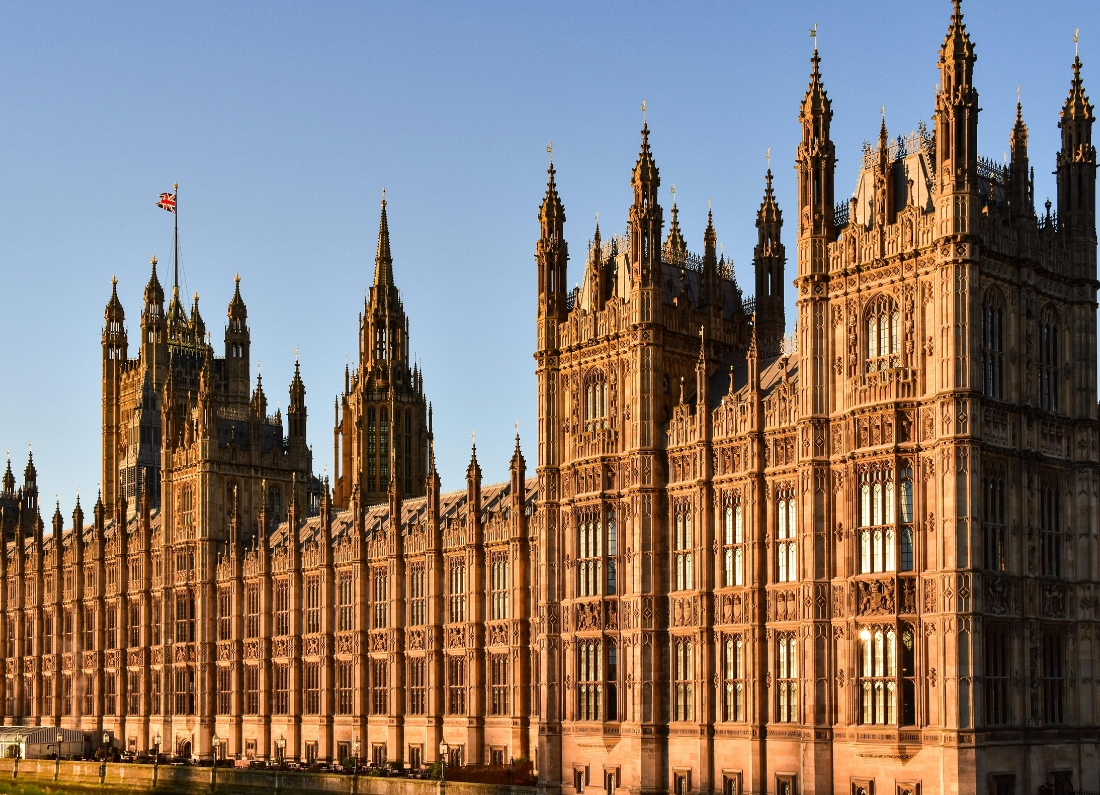
A petition calling on the government to introduce legally binding attendance obligations for Members of Parliament has passed 10,000 signatures, triggering a requirement for a formal government response. It currently stands at 13,842 signatures and closes on 15 October 2026. If it reaches 100,000 signatures it will be considered for a full parliamentary debate. It is the second significant Westminster accountability petition to gain major traction in recent weeks – the first calling for a ban on alcohol in House of Commons venues, as we reported in our Commons alcohol petition piece.
The petition was created by Caroline Hurst. It argues that leaving attendance requirements to convention “unfortunately allows a minority to abuse the system” and calls for statutory rules covering both parliamentary attendance and constituency presence.
“MPs are well paid from the public purse to represent the people,” the petition states, “and it is important to ensure that they fulfil their responsibilities once elected. We find current arrangements unpalatable and want statutory rules to be introduced with stronger mechanisms to hold them to account if they fail to carry out their duties.”
You can sign it here – https://petition.parliament.uk/petitions/764375
What the petition is asking for – and what it isn’t
The petition does not prescribe specific numbers of days, hours or surgeries. Its argument is structural: that voluntary convention is an insufficient mechanism for ensuring MPs carry out the duties they are elected and paid to perform.
The distinction between a convention and a statutory rule is the difference between something that can be ignored without legal consequence and something that carries enforceable obligations. At present, an MP can attend Westminster rarely, rarely hold constituency surgeries and face no formal sanction beyond the informal pressure of their party whip and the judgment of voters at the next election.
The petition is asking for a floor – a legal minimum below which an MP cannot fall without consequence – rather than a ceiling. It is deliberately broad precisely because the question of what exactly that floor should look like is one for parliament to work out, not a petition.
What the current system actually requires
At present, there is no legal requirement for an MP to attend Parliament at any minimum frequency, nor any statutory obligation to spend a defined amount of time in their constituency.
MPs are required to take an oath of allegiance on election. They are subject to the Commons code of conduct and financial transparency requirements overseen by the Parliamentary Commissioner for Standards. But none of those rules touch directly on attendance or physical presence. As we reported in our ousting Starmer rules explainer, the Standards Commissioner’s remit covers financial conduct and personal behaviour – not whether an MP turns up.
The result is a system in which constituents have no formal legal recourse if their MP is rarely seen in Westminster or rarely holds a surgery at home. The primary accountability mechanism is democratic: if an MP fails their constituents, the argument goes, they will be removed at the next election. That argument has never fully satisfied those who point out that general elections happen at most every five years, that safe seats can insulate underperforming MPs from consequences, and that voters often lack the information needed to assess whether their representative is genuinely present.
Why it is gaining traction now
The petition was published in April 2026 and passed 10,000 signatures on 26 May – the same week that the Manchester Airport contempt referral emerged, Labour referred Farage’s Russia hacking claim to the police, and a judge’s written ruling about his trial comments became public, as we reported in our contempt of court piece.

The specific timing connects to a broader shift. As we have reported extensively, public frustration with the conduct of elected representatives has found numerous outlets in recent weeks. The alcohol petition followed Hannah Spencer’s PMQs intervention, in which she was told to “get a life” by fellow MPs for raising whether it was appropriate to drink before votes on child poverty legislation. As we reported in our Darren Jones piece, the Treasury Secretary’s defence – that MPs are “office workers, not doing open heart surgery” – did not satisfy the 76% of Britons who told YouGov that MPs drinking before votes is unacceptable.
Both petitions point to the same underlying frustration. A significant section of the public does not believe that Westminster’s culture of self-regulation is adequate. Whether the issue is drinking before afternoon votes or simply not showing up, the argument in each case is the same: convention is not enough, and Parliament should be subject to the standards of workplace accountability that apply to the people it represents.
The legitimate complexity
The petition’s supporters are not arguing that all MPs are underperforming or that parliamentary duties and constituency duties are interchangeable. An MP serving on a select committee, scrutinising legislation or engaged in international parliamentary work is spending time in the national interest even when absent from their local surgery.
That complexity is real. But supporters of the petition argue it is not a reason to have no rules at all. The existence of legitimate variation in how the role is performed does not mean the floor should be invisible and unenforceable. A doctor working in research rather than clinical practice is still required to maintain their registration, keep records and be accountable to a professional body. An MP’s accountability to their constituents between elections currently rests almost entirely on goodwill.
What happens next
The government is now obliged to respond to the petition, though not to act on it. Responses to petitions that pass 10,000 signatures are typically published within 60 days and set out the official position.
If the petition reaches 100,000 signatures, the Petitions Committee will consider whether to schedule a Westminster Hall debate. Such debates do not produce binding votes, but they place the issue formally on the parliamentary record and require ministers to answer on the record in front of colleagues.
The petition has 13,842 signatures, nearly five months left and the headwind of sustained public attention. The government response, when it arrives, will be worth reading closely.
2 responses to “Petition for statutory MP attendance rules passes 10,000 – government must now respond”
-
Fo the job you re paid for.
-
These MPs are excessively over paid, they also rob us blind through their ‘expence accounts, they have second/ third etc ‘jobs’, they are supposed to have been elected to parliament to serve Britain and the British people…..But most don’t! They are only there through their lies and deceit, to enrich themselves off our backs, and from those who bribe them!

Sign the petition at: Click here.









Leave a Reply