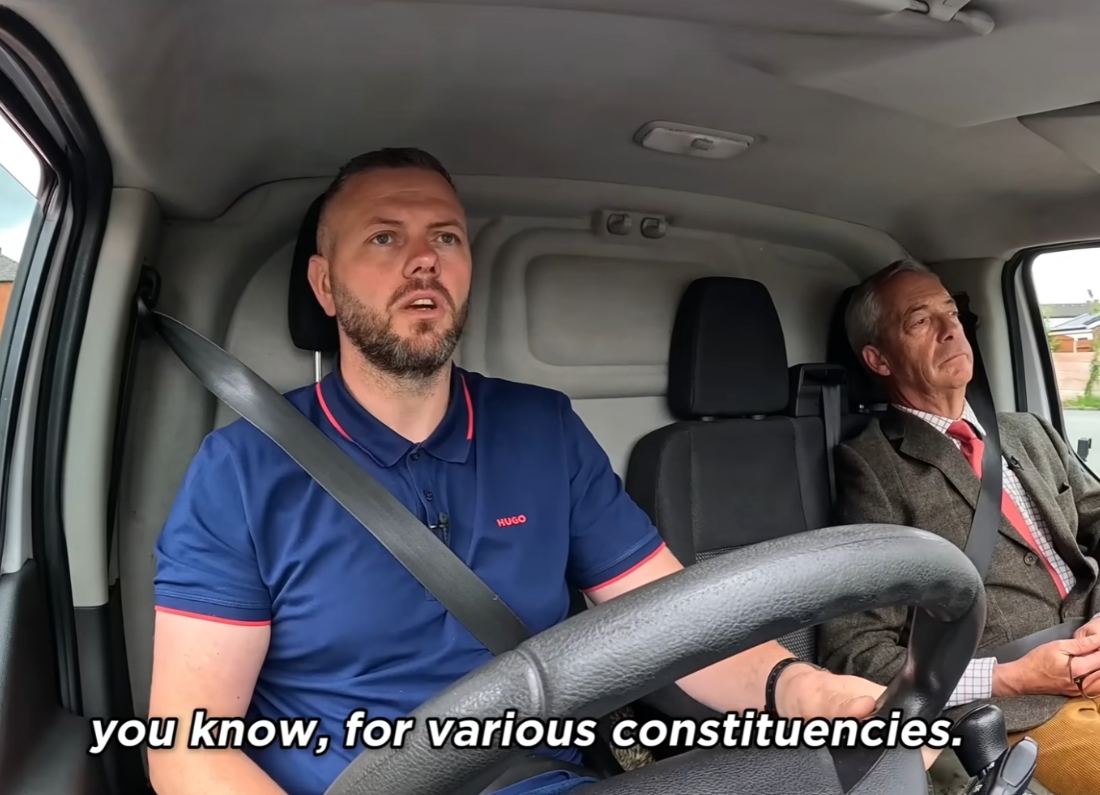
Robert Kenyon, Reform UK’s candidate in the Makerfield byelection against Andy Burnham on 18 June, wrote in an online forum that Russia was “well within their rights” to annex Crimea, agreeing with a post that described the annexation as “democracy in action” – in the latest in a series of revelations about the candidate’s online activity that a defence minister has described as “promoting Kremlin talking points.”
The post, reported by the Telegraph, was made in response to a forum discussion titled “Hypocrisy of the West regarding Ukraine in the sin bin.” One forum member wrote: “The people of the Crimea want to be in Russia, for me that is democracy in action. The Government should work for the people not the other way round. The people have spoken and they have what they want. The Falklands and Gibraltar, they want to stay British, so be it.”
Kenyon replied: “I agree totally, Russia are well within their rights to do what they have done as we did with the Falklands. However, will Latvia be next?”
What the post says – and what it doesn’t
The Falklands comparison Kenyon draws is a longstanding piece of pro-Russian justification for the Crimea annexation. The argument – that Russia’s claim to Crimea is analogous to Britain’s claim to the Falklands – is precisely the framing Russian state media has deployed to deflect international criticism of the 2014 annexation.
The post contains its own internal ambiguity. Kenyon’s “will Latvia be next?” addition suggests an awareness that the Crimea annexation was not a stable endpoint. Whether this was a note of concern or simply an observation is unclear from the text alone. What is unambiguous is his agreement that Russia was “well within their rights” – an endorsement of the legal and moral legitimacy of an act that the United Nations General Assembly condemned by a vote of 100 to 11 in 2014.
Reform’s response was that Kenyon had not explicitly endorsed Russia’s actions. “At no point did Rob explicitly support or endorse Russia’s actions in Crimea. He is fully opposed to Russia’s illegal and brutal invasion of Ukraine. We fully back Cllr Kenyon. He is an excellent, local candidate who we are confident will be a superb MP for Makerfield.”
The specific tension in that response – between “he did not explicitly support or endorse” and his written statement that Russia was “well within their rights” – is one that Reform declined to explain further.
The anti-abortion revelation
The Crimea post is not the only new revelation. The same round of investigation has also unearthed posts in which Kenyon expressed anti-abortion views, claiming women get abortions for “vanity purposes” so they can “shag whoever they want.”
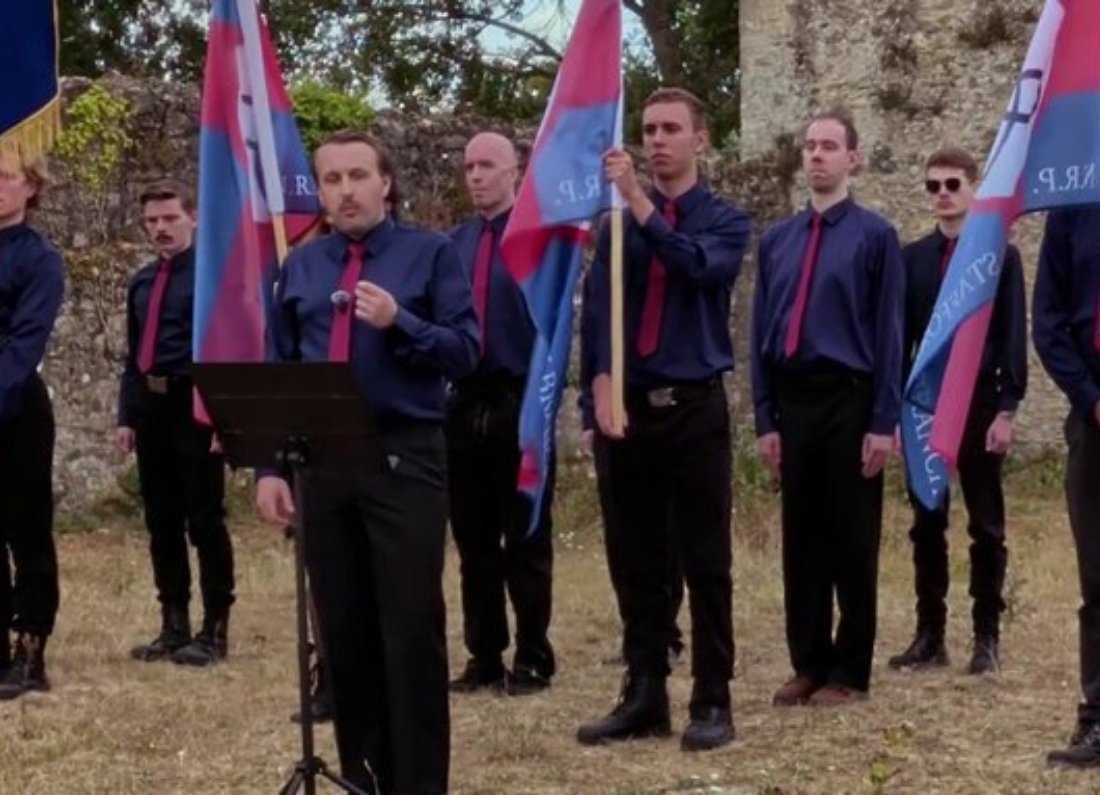
This comes on top of the substantial record already documented across multiple investigations. As we reported in our Byline Times and Hope Not Hate investigation, two deleted social media accounts linked to Kenyon contained riot disinformation during the Southport murders – including a post using the deaths of three children as a Reform recruitment pitch – COVID conspiracy theories and calls for waterboarding. As we reported in our Carol Vorderman piece, he endorsed a graphic sexual post about the presenter. As we reported in our RLFans forum investigation, he wrote “I’m sexist, sorry but I am” and “women can’t ref, drive or give directions.” As we reported in our Brexit vote piece, an account linked to him appeared to claim he had not voted for Brexit in a constituency that voted 67% Leave. And as we reported in our neo-fascist Facebook piece, he was Facebook friends with the founder of a group advocating a “fascist revolution” before his friend list was deleted after his selection.
Reform has backed Kenyon through every single revelation.
The Labour response – and the Russia context
Defence minister Luke Pollard was direct. “Nigel Farage has again chosen a candidate who promotes Kremlin talking points and makes excuses for Putin’s unacceptable actions against Ukraine. While we stand with Ukraine in the face of Russian aggression, Robert Kenyon has shown he’s completely out of step with the British people.”
The word “again” in Pollard’s statement points to a specific and significant context. As we reported in our Farage Russia hacking piece, Farage claimed this week that Russian intelligence services hacked his phone to leak the story about his undisclosed £5 million personal gift from Christopher Harborne. The Guardian called it “an absurd deflection.” Defence Secretary John Healey has separately written to Farage asking whether Harborne’s aviation fuel company, AML Global, complied fully with UK sanctions on Russian energy. The specific Farage-Russia question has therefore been live in the same week that his Makerfield candidate’s apparently pro-Russian Crimea posts have been published.
The timing places Reform in the uncomfortable position of simultaneously claiming Russian interference as a victimhood narrative while its Makerfield candidate’s forum posts endorse Russian expansionism as legitimate.
Nathan Gill and the pattern Pollard is pointing to
Pollard’s “again” also carries a more direct historical reference. Nathan Gill, Reform’s former leader in Wales and its predecessor UKIP and Brexit Party, was sentenced last year to ten and a half years in prison for taking bribes to make statements in favour of Russia while serving as a Member of the European Parliament.
The Gill case is the most extreme example of a documented pattern of proximity between Farage’s political movements and pro-Russian positions. Farage said in 2014 that Vladimir Putin was the world leader he most admired. He has made multiple statements sympathetic to Russia’s position across the years of its Ukraine aggression. As we reported in our Musk-Farage row piece, even Elon Musk, previously one of Farage’s most prominent backers, called him a liar over his financial arrangements.
Kenyon’s forum post fits the broader pattern precisely. “Russia are well within their rights to do what they have done” is not a neutral geopolitical observation. It is a statement of legal and moral legitimacy for an annexation that the international community overwhelmingly condemned, that preceded a full-scale invasion of Ukraine in 2022, and that Kenyon’s own “will Latvia be next?” question suggests he recognised as a possible precedent for further action.
The byelection context
As we reported in our Makerfield byelection analysis, June 18 is the most consequential byelection since the 2024 general election. Burnham has committed to PR, a land value tax, renationalisation and a social care levy as we reported in our campaign launch piece. Reform’s candidate has now accumulated a documented record covering pro-Russian posts, riot disinformation, misogyny, COVID conspiracy theories, waterboarding calls, apparent non-voting for Brexit and anti-abortion views.
Reform has not explained whether its characterisation of Kenyon as “fully opposed to Russia’s illegal and brutal invasion” extends to the 2014 annexation his post endorsed, or only to the 2022 full-scale invasion. Farage has not commented.