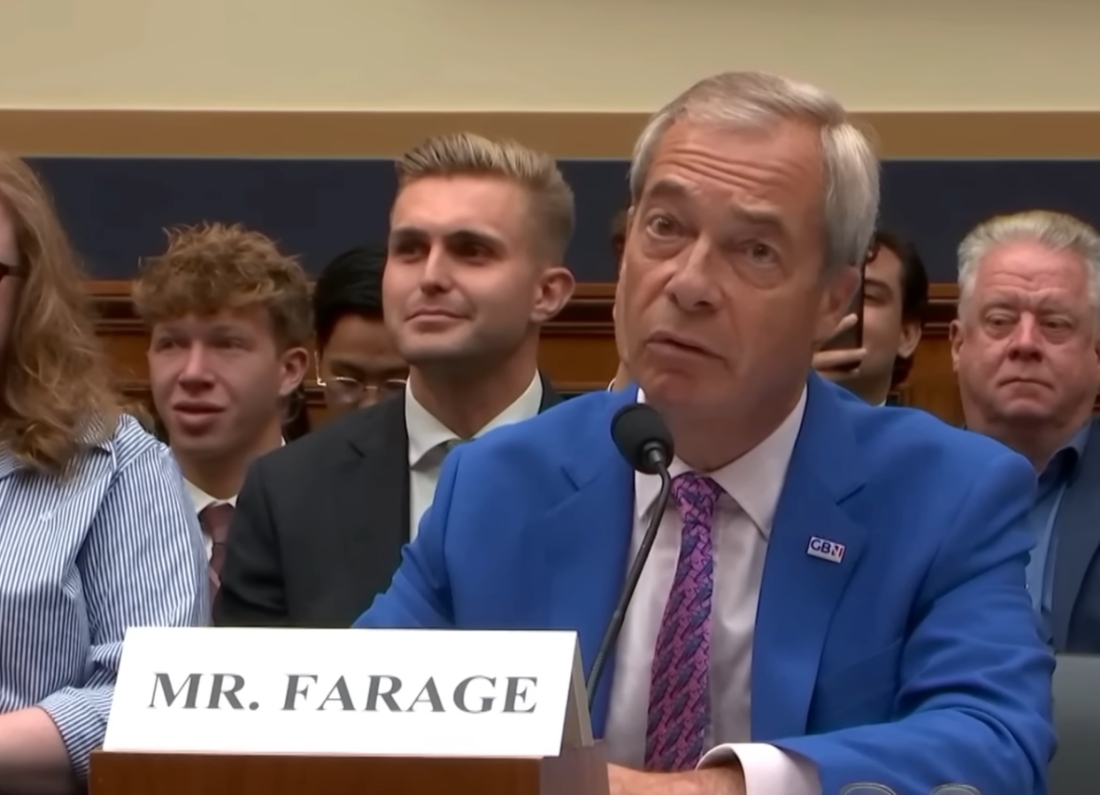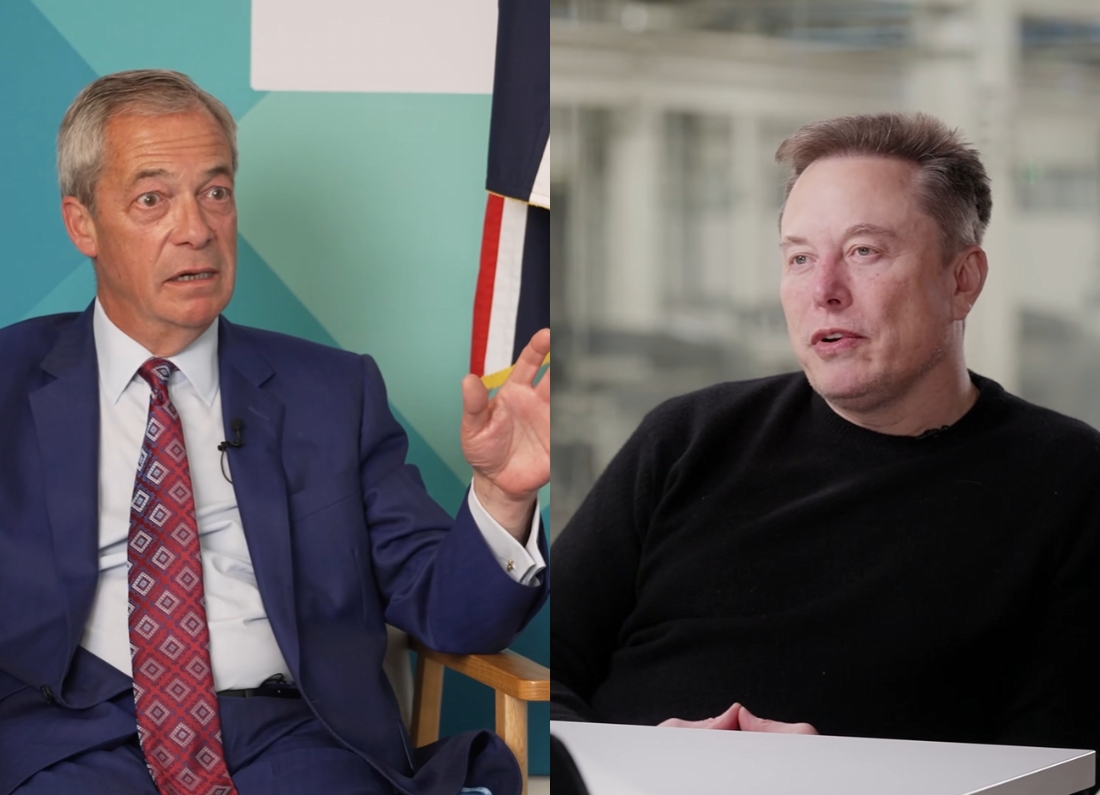
Elon Musk has publicly called Nigel Farage a liar after the Reform UK leader told The Sun that the tech billionaire had offered to donate to his party on condition that Farage said “certain things” publicly – a claim Farage made specifically to demonstrate his independence while defending himself against questions about his undisclosed £5 million gift from Christopher Harborne.
Farage’s interview with The Sun was intended to demonstrate that he could not be “bought by anybody.” Musk’s two-word response on X – “Farage is lying” – has ensured that the interview instead produced an additional and significant political problem.
What Farage said
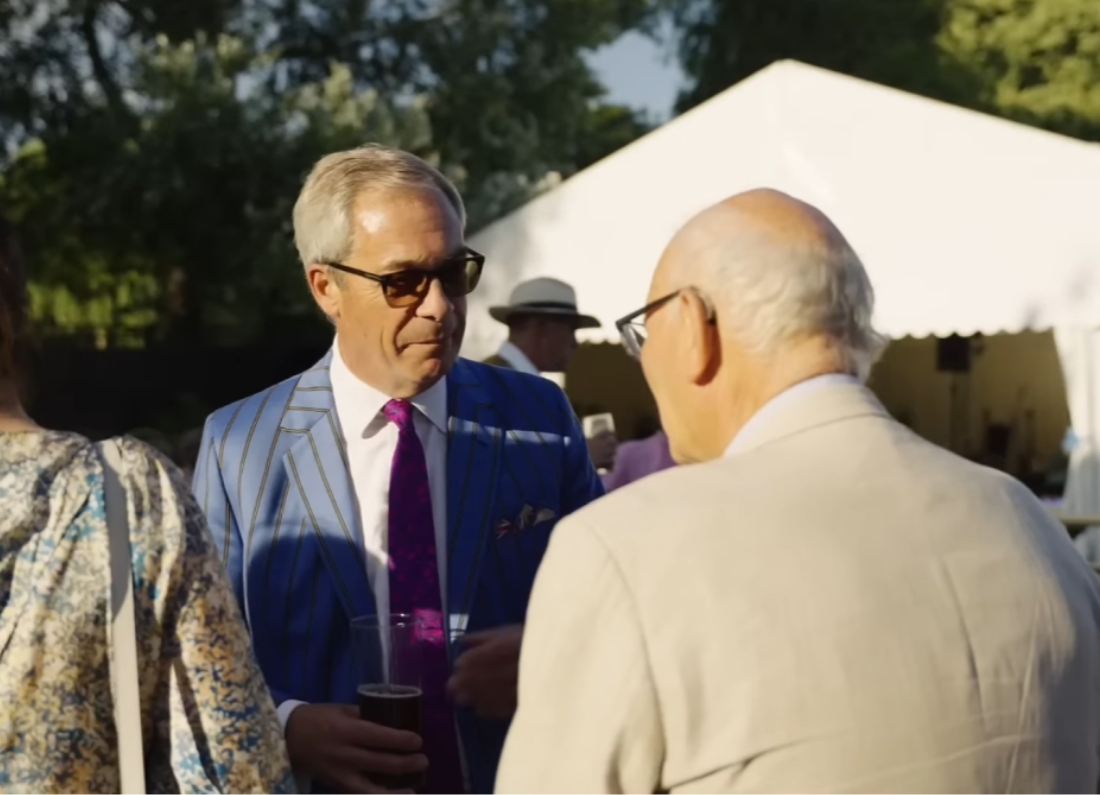
Farage was being questioned about the £5 million personal gift from Harborne – now the subject of a formal Parliamentary Standards investigation as we reported in our investigation confirmation piece. He was denying that the cash came with strings attached.
“Hang on a second, I can’t be bought by anybody – not even Elon Musk,” he said.
Asked about the pair’s falling out, Farage said: “He wanted to give us a load of money if I said certain things publicly and I refused.”
Asked what Musk wanted him to say, Farage said: “Well, this and that.”
He added: “But I didn’t do it, so I made an enemy of Elon Musk. But that shows you I’m my own man, I make my own mind up.”
You can watch the full interview below:
Musk’s response
Musk saw the interview and posted on his own platform. His response was brief and unambiguous: “Farage is lying.”
He did not elaborate. He did not explain what he believes to be false about Farage’s account. He did not set out his own version of the events surrounding the failed donation. Two words. A direct, public accusation of dishonesty from one of the world’s most followed accounts, directed at the man polling at 27% as Britain’s most popular political figure.
The background – from Mar-a-Lago to fallout
The story of the Musk-Farage relationship is one of the more extraordinary bilateral political stories of recent British politics.
In late 2024, Musk was reported to be considering donating up to $100 million to Reform UK. Farage, Reform treasurer Nick Candy and Musk were photographed together at Trump’s Mar-a-Lago estate. Farage said of the meeting: “We learned a great deal about the Trump ground game and will have ongoing discussions on other areas. We only have one more chance left to save the West and we can do great things together.”
The proposed donation never materialised. Musk turned on Farage shortly after their meeting, saying he “doesn’t have what it takes” and calling for Farage to be replaced as Reform leader. The trigger for the public split was Farage’s decision to distance himself from far-right activist Tommy Robinson, whom Musk had praised.
Farage’s statement at the time was: “We’re a political party aiming to win the next general election. He’s not what we need.” In response to Musk’s call for his removal, Farage said: “My view remains that Tommy Robinson is not right for Reform and I never sell out my principles.”
Musk has since publicly endorsed Rupert Lowe’s new party Restore Britain – a direct competitor to Reform in the right-wing political space.
Farage’s attack on X
The relationship has continued to deteriorate. In a separate development before the local elections, Farage himself attacked Musk’s platform at a press conference, saying X was becoming “a very unpleasant, very dangerous place.” He cited “utterly appalling” online abuse directed at Reform’s ethnic minority candidates during the election campaign.
“If it was happening to any other candidates from more established parties in the sense of their age, you would all be in total uproar,” Farage told reporters. “It really, really is bad. X is now becoming a very unpleasant, very dangerous place.”
The irony of Farage attacking a platform that has hosted many of Reform’s most effective political communications – and whose owner had been his patron until the Tommy Robinson dispute – was noted at the time.
Why the timing is particularly damaging
Farage made the “certain things” claim specifically to demonstrate his financial independence and integrity – in the context of defending himself over the Harborne gift. The argument he was making was: look, even a $100 million offer from Musk couldn’t buy me, so why would you think a £5 million security payment from Harborne compromised me?
Musk’s “Farage is lying” response has inverted that argument. Rather than the Musk story demonstrating Farage’s independence, it has become a story about whether Farage’s account of events can be trusted – at precisely the moment he is under formal parliamentary investigation for the undisclosed £5 million gift, as we reported in our full coverage of the standards probe.
The new revelation about Farage purchasing a £1.4 million property in cash in the same period as receiving the Harborne gift – as we reported in our property purchase piece – adds further context to a week in which questions about Farage’s financial transparency have accumulated rather than resolved.
What it reveals about Reform’s ecosystem
The Musk-Farage relationship and its collapse is a window into the specific nature of the international far-right political network that has both supported and complicated Reform UK’s rise. As we detailed in our profile of Christopher Harborne, Reform’s funding comes overwhelmingly from a small number of ultra-high-net-worth individuals with specific interests – cryptocurrency, fossil fuels, international right-wing networks.
The Musk potential donation, had it materialised, would have been even more extraordinary in scale. A $100 million injection from the world’s richest man would have transformed British politics in ways that the current legal framework for political funding was not designed to manage.
That it didn’t happen – apparently because of a disagreement over what Farage was willing to say publicly – raises its own questions. Farage says he refused conditions on what he said. Musk says he is lying about that. Whatever the truth, the exchange confirms that conversations about very large sums of money and specific political messaging did take place between two of the most powerful figures in international right-wing politics. The precise content of those conversations, and what “certain things” meant, remains unspecified.