

Reform UK’s former chair has told Nigel Farage he should “take some time out and have a bit of a break,” speaking as “a friend and a colleague” in comments that mark the first time a senior figure inside the Reform tent has publicly suggested the party leader’s current position is damaging the movement he built.
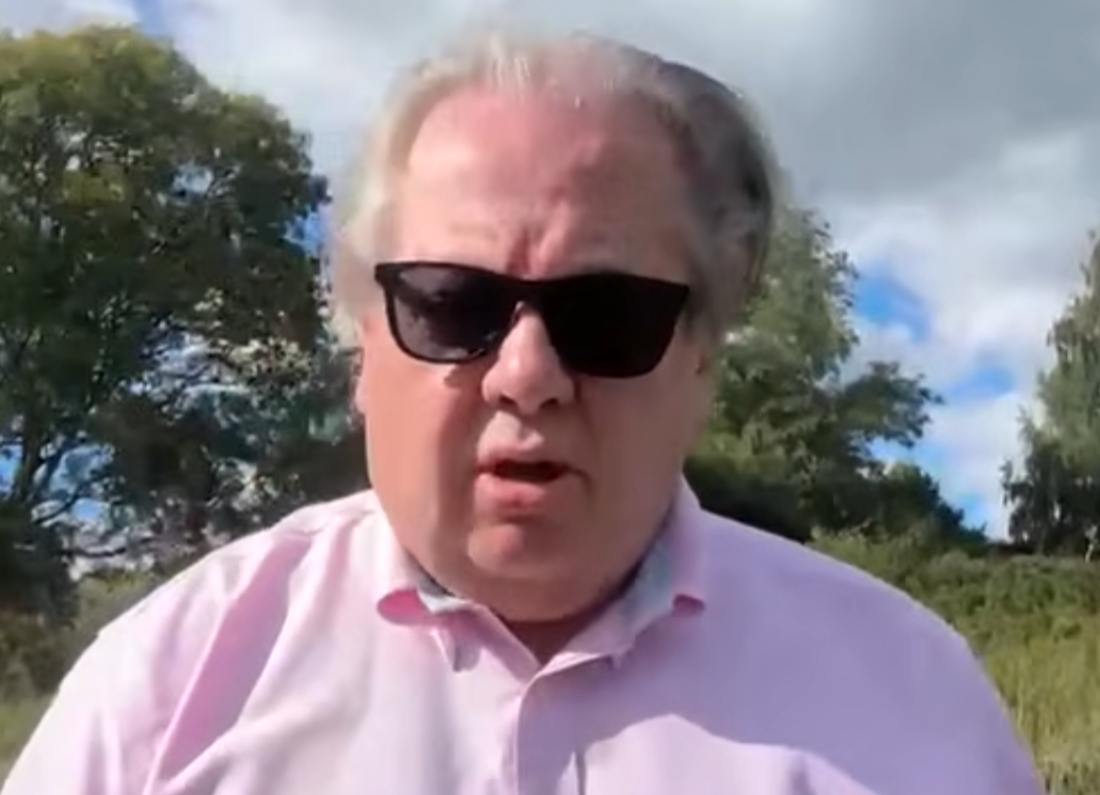
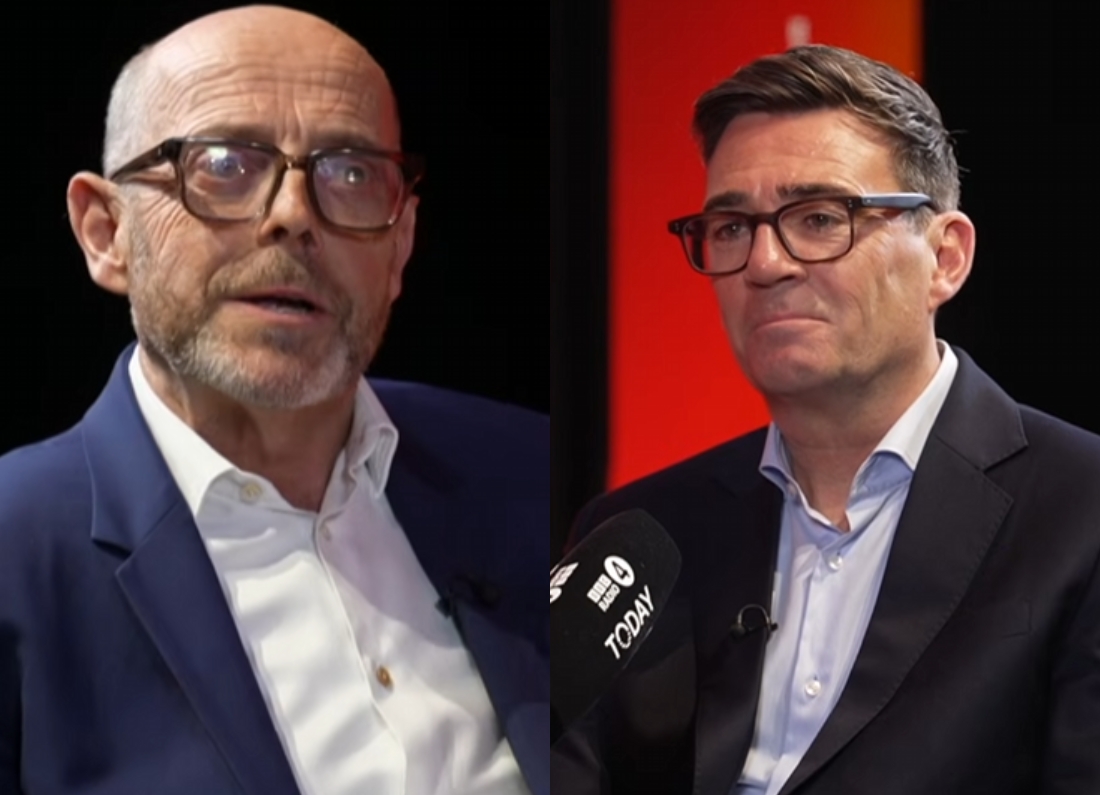
Dr David Bull, who served as Reform’s chair for just under a year before being replaced by Lee Anderson in May, made the comments on Channel 5 this week. “The party is way bigger than Nigel,” he said. “Politics is a ruthless business, and I think also one of the other things I would say to him as a friend and a colleague is he needs to take some time out and have a bit of a break, really.”
Bull added that his own departure had been forced by serious illness: “I was physically very unwell. It nearly killed me off.” He was speaking from the position of someone who has seen the party’s internal workings at close range and now believes the man at the centre of its most damaging story needs to step away from the microphone.
What Farage’s week actually looked like
To understand why a former senior Reform figure is saying this publicly, it helps to reconstruct what the week looked like from inside the party.
On Tuesday morning, Farage gave three back-to-back broadcast interviews about his undisclosed £5m personal gift from Thailand-based crypto billionaire Christopher Harborne. He told the BBC’s Sally Nugent that how much he had spent on security was “none of your business,” before pointing out that her salary was on the public record while his was not. He told Nick Ferrari he could spend the money “on Ferraris if he wanted” – then had to explain why he had previously said it was specifically for personal security. He told Julia Hartley-Brewer – one of the more sympathetic interviewers available to him – a different version again, confirming he had already spent hundreds of thousands on security but refusing to say how much.
Dan Hodges, watching the interviews, said: “Nigel Farage is all over the place on this now. It’s incredible, given how long he’s had to come up with a clear line on it.” Don McGowan counted the contradictions: “He’s given about seven different stories in two interviews so far this morning.” James O’Brien identified the deeper problem: Farage was the majority shareholder of Reform UK when he received the money, making his repeated claim that he “wasn’t in politics” at the time legally and factually indefensible.
Then, on Wednesday, Robert Jenrick, Reform’s shadow chancellor, broke with Farage’s own party line by acknowledging publicly that questions about the £5m are “legitimate for the media to ask” – days after Farage had told three different broadcasters that those same questions were nobody’s business. The crack in collective party discipline was small but visible.
The regulatory and legal picture
The formal Parliamentary Standards investigation is already open and examining whether Farage should have declared the gift. A finding against him could lead to suspension, and a suspension of 10 days or more would trigger the Recall of MPs Act – opening the possibility of a Clacton byelection.
Labour Chair Anna Turley has written to the FCA asking it to investigate whether Farage’s public advocacy for Tether – the stablecoin in which Harborne is a major shareholder, which Farage publicly namechecked the day before meeting the Bank of England governor to lobby against the digital pound – amounted to an undisclosed regulated financial promotion. Transparency International has called for a separate inquiry into whether Farage used €1.8m in EU taxpayer funds to finance his Brexit campaign, following a Financial Times investigation into his European Parliament group’s accounts. And the Bribery Act question – whether the pattern of payment, political candidacy and policy advocacy constitutes a corrupt arrangement – remains openly discussed, though no charges have been brought.
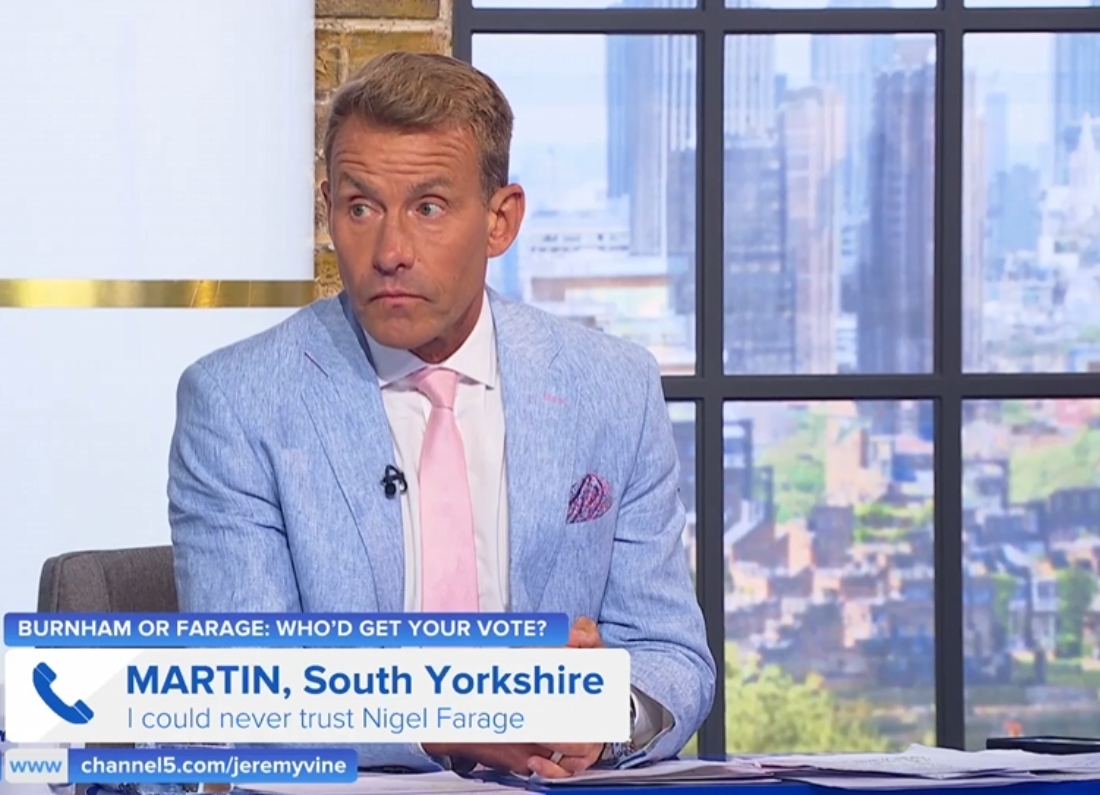
Marina Purkiss made the sharpest connection on Jeremy Vine this week: “If he’s willing to say ‘Up the Ra’ for £86, what do you reckon he’ll do for £5m?” – linking the Guardian’s Cameo investigation, which found Farage had endorsed a neo-Nazi group’s tour and told a convicted rioter his sentence was “absolutely outrageous” for relatively small fees, to the question of what the far larger payment from Harborne might have secured.
The party context
Bull’s call for Farage to rest comes against a backdrop of mounting difficulty for Reform beyond just the £5m story. The post-election polling bounce has ended, with the party back at 25%. Reform has hit its lowest polling level in over a year. Restore Britain, led by former Reform MP Rupert Lowe, is now appearing in polling data and eating into Reform’s right flank. Luke Tryl of More in Common called Makerfield Reform’s worst byelection night since the general election – barely any increase in vote share in one of their strongest 2024 second-place finishes. And internal tensions over strategy and personnel have been breaking out increasingly openly.
Bull addressed the Restore Britain challenge directly. “I will just mention Restore and Rupert Lowe. I think what Rupert’s finding is that to build a political party is incredibly difficult.” The comment was directed ostensibly at Lowe, but the subtext was applicable to Reform’s own current situation: a party that has been extraordinarily successful at building a vote share is finding it harder to convert that into electoral wins, and whose leader’s current media visibility is doing more harm than good.
Farage has missed 77 consecutive parliamentary votes and has the lowest voting attendance of any Reform MP – a statistic that sits awkwardly alongside both his stated mission to change parliament from within and his argument that a £5m personal gift was necessary to fund the security that would allow him to do his job. He has held just one press conference in the months since the gift story broke.
The bigger question Bull is raising
What Bull’s intervention does, gently but clearly, is introduce a question that Reform has so far managed to avoid: is Farage an asset or a liability to the party he created? The answer until very recently was obviously the former. His personal brand, his media presence and his ability to galvanise a particular kind of voter have been the engine of everything Reform has achieved.
The argument that “the party is way bigger than Nigel” is a significant departure from that position. It suggests Bull believes Reform has now developed enough institutional strength – enough MPs, enough local councillors, enough name recognition – to survive a period without its leader at the front of every news cycle. And more pointedly, it implies that Farage’s current media performances are not helping.
Kemi Badenoch wrote that “nobody gets £5m in their pocket for nothing.” John Major has demanded Farage come clean about what obligations the gift might carry. Lord Heseltine called Brexit a “heinous crime” for which Farage should answer. Now his own former chair is saying, as gently as he can, that the man who built Reform into Britain’s most-polled party might currently be doing it more harm than good by staying in the spotlight.
Whether Farage takes the advice is another matter. He has, characteristically, shown no sign of stepping back. But the fact that someone who was running the party a matter of weeks ago is now saying this publicly marks a new stage in the story of Nigel Farage and his £5m.




Leave a Reply