


Five water companies could raise customer bills again after Ofwat provisionally approved billions in additional spending across England and Wales.
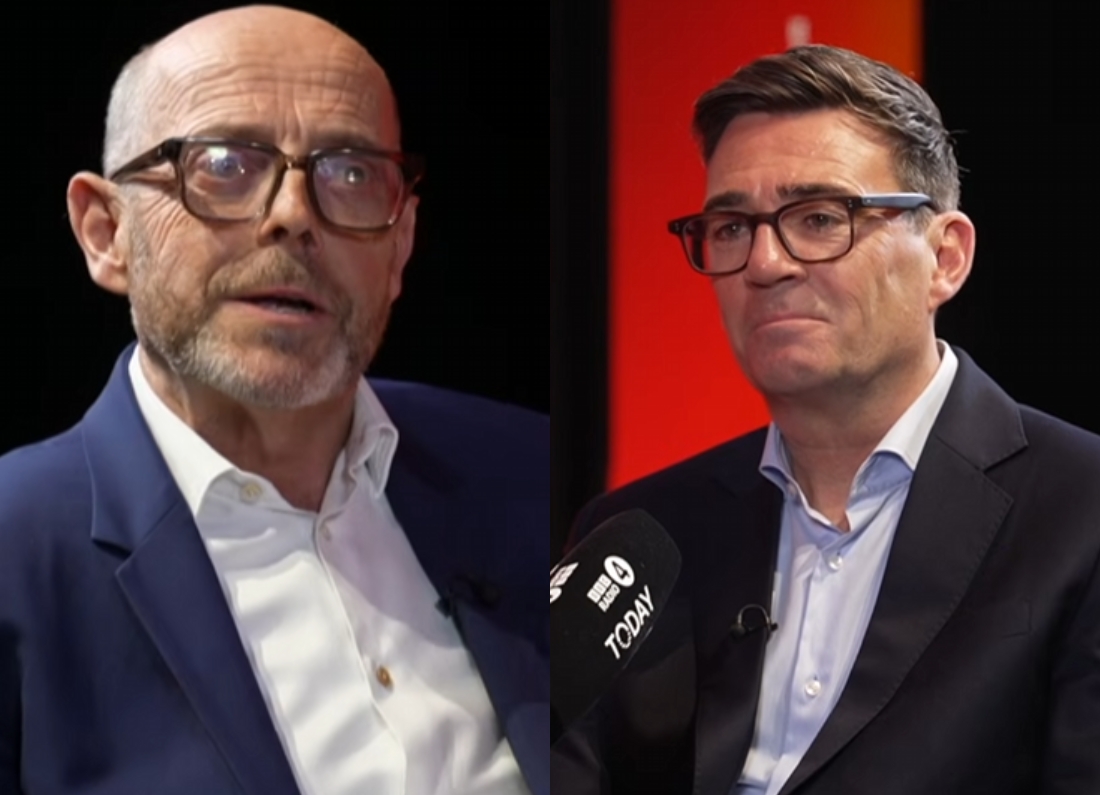
Thames Water, Southern Water, Severn Trent, Wessex Water and South East Water have preliminary permission to recover extra costs from customers between 2027 and 2030. Burnham reacted angrily: “I understand why people are angry. I am too. The truth is customers have been asked to pay more for years, yet serious pollution incidents are at record levels and the pipes are still leaking. None of which is the billpayer’s fault, who should not be treated as a bottomless source of funding for other people’s failures.”
He added: “Customers cannot be treated as a blank cheque. Where water companies seek to pass unnecessary costs on to households, they will be challenged. Our water industry has clearly not been working for people for far too long. That’s why this government will be looking at how we can give the public more control and help keep bills as low as possible.”
What Ofwat’s actually approved
Water companies had asked for £4.3bn in extra spending beyond the industry’s original 2025-2030 plans. After a three-month review, Ofwat provisionally approved £3.4bn, going toward infrastructure for housing and data-centre developments, drinking-water quality improvements, and removing PFAS “forever chemicals.”
13 companies got additional expenditure approved, but only five can pass some of that cost to customers before 2030, everyone else recovers approved spending in the following decade. United Utilities got the largest single allocation, £995m provisionally approved, including water infrastructure for new data centres in east Manchester. £477m of the overall package goes toward infrastructure needed for new homes and data centres specifically.
This is on top of the £104bn investment programme Ofwat already approved in 2024, a settlement that allowed average bills to rise 36% between 2025 and 2030. Bills already jumped sharply in 2025 and rose another 5.4% from April 2026.
Southern Water customers face the biggest hit
Southern Water’s customers face the largest additional cost. Reuters reports bills would rise £43 in 2027-28 and £37 in 2029-30. The company already has the highest average combined water and sewerage bill in England and Wales, £759 this financial year, after a £55 rise in April. Southern Water says the money’s needed to meet environmental obligations and secure long-term supplies for its four million customers.
Thames Water customers face smaller additions, £3 in 2027-28, £5 in 2029-30. Modest next to the company’s existing bills, but its inclusion here will still land badly, Thames supplies about 16 million customers while carrying over £20bn in debt and trying to agree a rescue deal with creditors. Campaigners including Feargal Sharkey have called for the company to go into special administration, arguing customers shouldn’t be protecting shareholders and lenders from the consequences of the company’s own record.
South East Water is also among the five, and has faced regulatory investigations after repeated supply interruptions left thousands of homes, schools and businesses without running water.
The consumer watchdog wants proof
The Consumer Council for Water said the investment could deliver cleaner rivers and more reliable supplies, but warned customers are already struggling with rising household costs. Senior policy lead Steve Hobbs: “Ofwat needs to be able to show that every pound of this additional £3.4 billion is necessary, delivers value for money and is not funding work water companies should already have paid for. Trust in water companies has never been lower and customers need to see their money is being well spent.”
Water UK, representing suppliers, defended the spending and pointed to pressure on supplies from this summer’s drought: “This expenditure will help to safeguard services, unlock new homes and business growth, and replace ageing infrastructure. For most customers there will be no immediate impact on bills. Where bills will rise, we recognise any increase is difficult and help is available for anyone struggling to pay.”
Ofwat says the money can be clawed back
Ofwat’s executive director for delivery, Helen Campbell, said companies won’t get the money without scrutiny: “We will track performance to ensure companies are delivering the expected improvements for customers and the environment. If they don’t, expenditure can be clawed back.”
Environment Secretary Angela Eagle said the government would overhaul years of what she called “toothless regulation”: “I know that households across the country are watching every pound and I share their frustration that years of underinvestment and toothless regulation has led to this.”
Pressure keeps building for public control
Burnham’s comments will only sharpen expectations that his government wants to go beyond another regulatory tweak. He’s previously backed greater public control of failing water companies, though ministers haven’t committed to full nationalisation.
A group of Labour MPs and regional mayors recently proposed converting failing companies into customer-owned, not-for-profit cooperatives, making creditors and shareholders absorb losses rather than putting company debt on the government’s balance sheet. That plan would be tested first on Thames Water if it enters special administration.
Ofwat’s decision remains provisional. The regulator’s taking consultation responses until 24 September, with a final decision due in December.









Leave a Reply