


Reform UK has fallen behind both Labour and the Conservatives in a new poll, hitting its joint-lowest level with More in Common for 18 months.
The poll puts Labour in first place on 26 per cent, followed by the Conservatives on 23 per cent and Reform on 22 per cent.
The Liberal Democrats are on 11 per cent, the Greens on eight per cent, while six per cent of respondents backed other parties.
More in Common surveyed 2,133 people between September 18 and 21.
Compared with its previous poll, Labour and the Conservatives both gained one point while Reform fell by one.
More in Common UK director Luke Tryl said:
“Labour head into their conference with a lead in our polling for the ninth week in a row, although that lead remains narrow.”
He added:
“Reform has dipped to 22 per cent, their joint lowest in 18 months, Tories have stabilised a bit but remain at historic lows.”
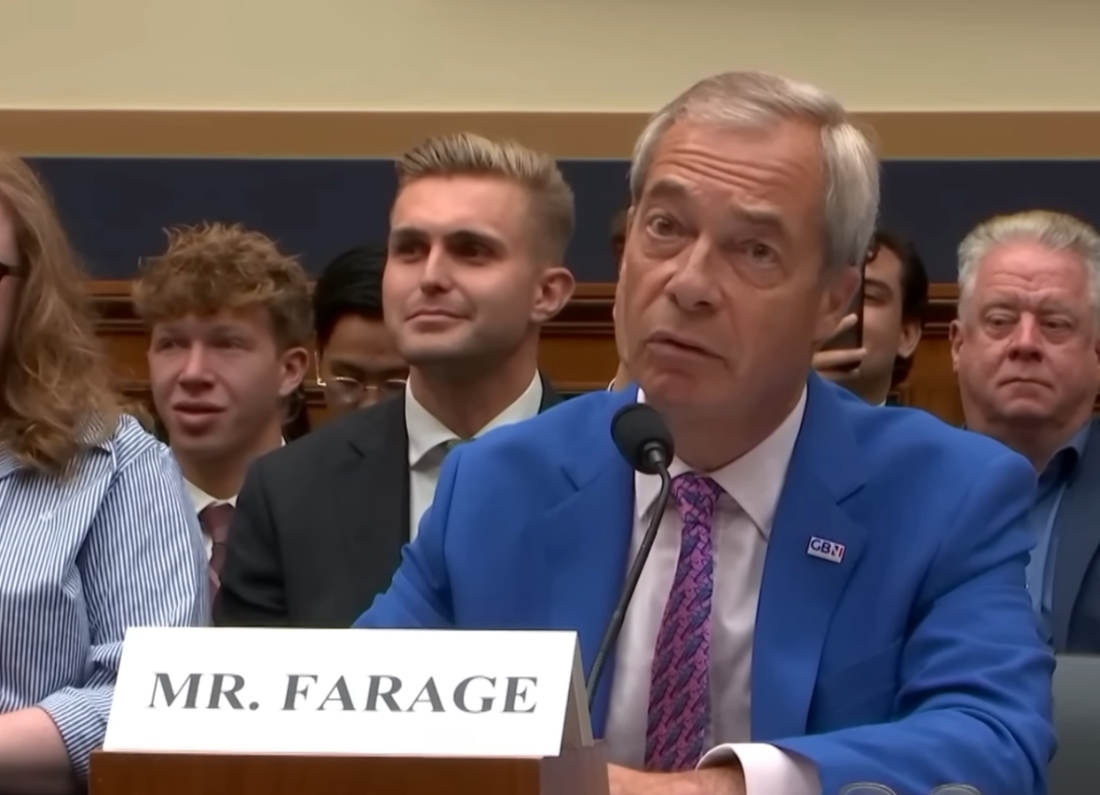
It is another warning sign for Nigel Farage after a year in which Reform went from consistently leading national polls to fighting Labour and the Conservatives in a much tighter three-way contest.
Reform’s lead has disappeared
The change since earlier this year has been considerable.
Reform spent long stretches ahead of Labour and the Conservatives and, at one stage, appeared capable of turning its polling lead into a huge number of seats at the next general election.
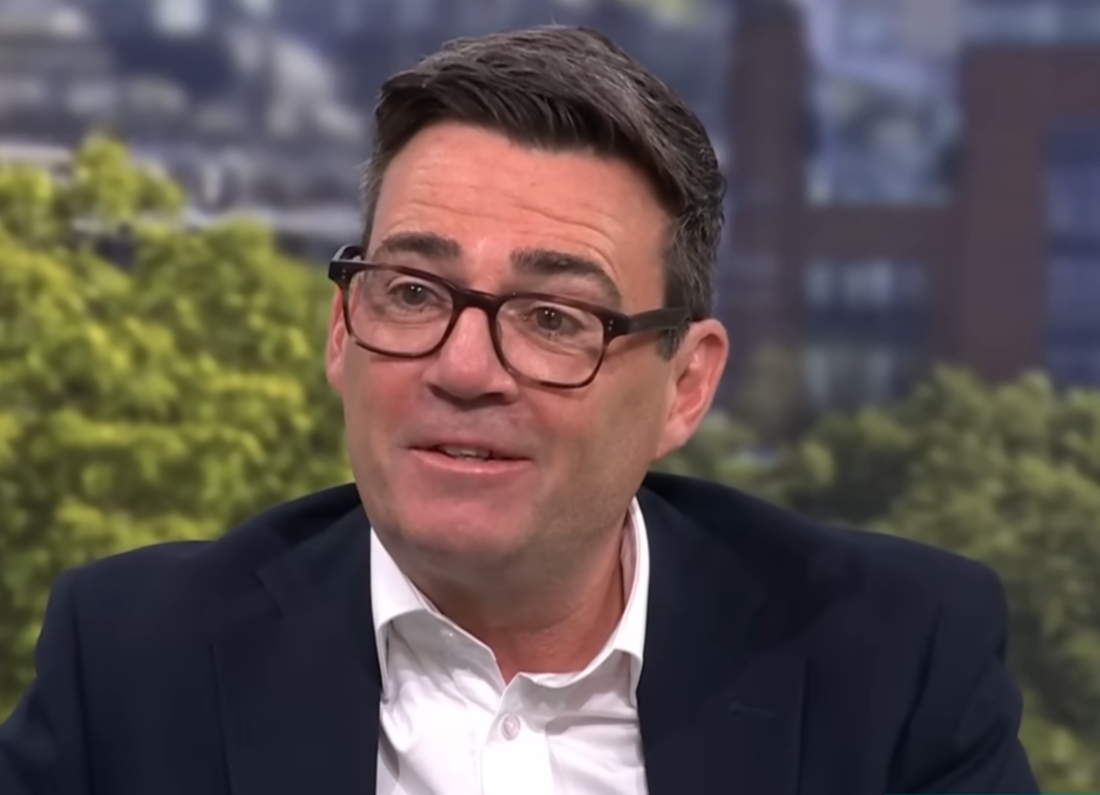
That picture has changed since Andy Burnham replaced Keir Starmer as prime minister.
A More in Common MRP published on September 26 projected Labour as the largest party with 250 seats if an election were held under the circumstances modelled by the pollster.
Reform was projected to win 147 seats and the Conservatives 125.
That was a dramatic change from More in Common’s July MRP, when Reform had been projected to take 293 seats and Labour just 110.
It is still worth keeping those figures in perspective.
An MRP is a model based on polling rather than a prediction of what will definitely happen at the next election, and voting intentions can change significantly before Britain next goes to the polls.
But Reform is plainly no longer in the position it occupied earlier in the year.
Farage’s ratings have fallen too
Reform’s difficulties have been accompanied by a sharp deterioration in Nigel Farage’s personal ratings.
More in Common recorded Farage on a net approval rating of minus 27 in the same polling period.
Separate YouGov research this month found 69 per cent of Britons had an unfavourable opinion of the Reform leader, the highest proportion recorded by its Farage tracker.
Just 24 per cent viewed him favourably, leaving him with a net favourability score of minus 45.
That follows months of scrutiny over Reform’s finances and donations.
The Metropolitan Police launched an investigation following allegations concerning the party’s funding after an undercover Channel 4 investigation.
Reform has denied wrongdoing and Farage has previously said the controversy showed the party would make mistakes as it grew.
The party has also faced competition from Rupert Lowe’s Restore Britain, which is attempting to attract some voters from Reform’s right.
But one poll does not mean Reform has collapsed
There is a reason to be careful with the headline numbers.
The latest polling does not show every company putting Reform on 22 per cent or in third place.
Polling tracker PollCheck’s seven-poll average on September 29 had Labour on 25.7 per cent, Reform on 23.1 per cent and the Conservatives on 20 per cent.
Individual polls also continue to disagree.
YouGov’s September 29 poll put Reform on 25 per cent, Labour on 24 per cent and the Conservatives on 19 per cent.
Opinium had Labour on 28 per cent and Reform on 24 per cent.
BMG put Labour on 28 per cent and Reform on 23 per cent.
Survation recorded Labour on 27 per cent, Reform on 24 per cent and the Conservatives on 21 per cent.
So it would be wrong to say Reform has universally fallen into third place.
What the polling does show is that the large advantage Farage’s party enjoyed earlier in the year has disappeared.
Most recent polls put Labour and Reform within a few points of one another, while the Conservatives remain close enough in some surveys to complicate the picture further.
The Conservatives have edged ahead in More in Common’s polling
For Kemi Badenoch, the More in Common result offers some relief.
The Conservatives’ 23 per cent remains historically weak for a party which governed Britain for 14 years, but it is enough to place them one point ahead of Reform in this particular survey.
Tryl said the Conservatives appeared to have “stabilised a bit”.
Whether that becomes a sustained recovery is another question.
Other recent pollsters continue to put Reform ahead of Badenoch’s party, sometimes by several points.
The political right is also more fragmented than it was at the 2024 election, with Restore Britain now appearing separately in several surveys.
That can matter under first past the post.
If Reform, the Conservatives and Restore compete for similar groups of voters, even small movements between them could change which party wins individual constituencies.
Labour has led More in Common for nine weeks
The other part of the story is Labour’s recovery.
More in Common said Labour had led its polling for nine consecutive weeks going into the party conference.
Burnham’s arrival in Downing Street coincided with a clear improvement in Labour’s position after months of poor polling under Starmer.
The BBC’s polling average put Labour on roughly 26 per cent and Reform on around 24 per cent at the end of August, although it warned that the gap was too narrow to conclude Labour was definitely ahead.
Burnham has since used Labour conference to announce or propose major changes on social care, housing, public ownership, pensions and Britain’s relationship with the European Union.
Whether those policies strengthen Labour’s recovery or start costing it support will become clearer over the coming weeks.
For Reform, the picture is already different from the one Farage faced earlier this year.
The party remains one of the three largest forces in British polling and some surveys still put it first.
But the period when Reform could regularly point to clear national leads is, at least for now, over.






Leave a Reply