

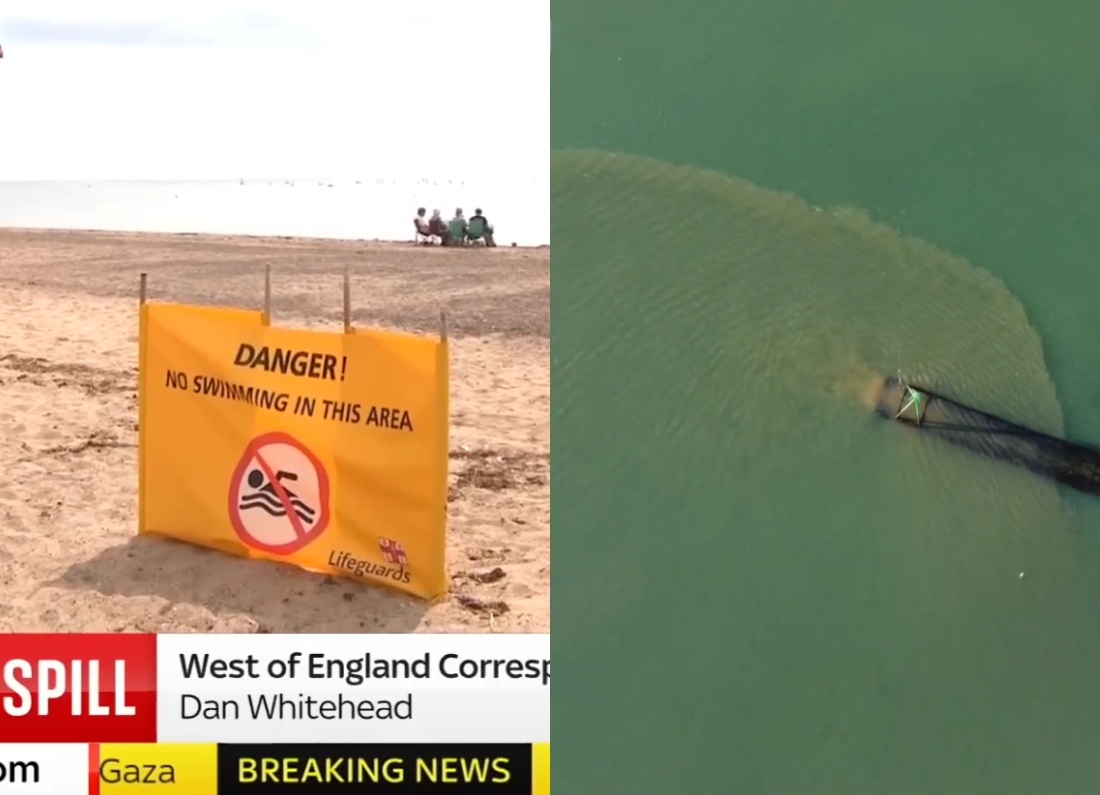
Water companies could get more freedom to vary what customers pay when supplies are under pressure, prompting warnings England and Wales are heading toward “surge pricing” for water.
The taxi-app comparison grabs attention, but it implies every household could automatically get a pricier bill whenever drought’s declared. That’s not what Ofwat’s actually announced. The regulator’s consulted on letting water scarcity factor into how companies set charges. Separate trials are already testing seasonal household tariffs and higher prices for heavy users, but ministers say there’s no plan for a nationwide drought surcharge. What’s actually on the table is a broader shift toward charging less for essential or low consumption and more for heavy use, particularly in summer.
What Ofwat has actually proposed
The consultation closed 30 July, proposing two amendments effective from April 2027. The first would clarify that the long-term cost of supplying water includes dealing with scarcity. The second would let companies vary charges where it could encourage water efficiency and deliver wider environmental benefits. Ofwat called these “small changes” to its rules, growing out of a review of wholesale charges for business customers, with corresponding amendments proposed to its household Charges Scheme Rules to keep both systems aligned.
None of that sets a specific tariff, fixes the size of any increase, or instructs companies to raise domestic bills the moment drought’s declared. Ofwat’s proceeding cautiously rather than ordering seasonal pricing outright, its May conclusions backed continued tariff trials so future decisions can rest on actual evidence of how customers respond. Considerably less dramatic than an algorithm suddenly doubling the price of running a bath.
Household trials already underway
Separate from all this, Ofwat changed its rules in 2023 to let suppliers test different charging structures with selected customer groups. The Consumer Council for Water’s own guide makes clear companies can’t use these trials to collect more money overall, the effect just gets redistributed, some people pay less, heavier users may pay more.
Anglian Water’s been testing seasonal tariffs with roughly 14,000 customers in Lincoln and Norwich, water used May to August costing more, cheaper the rest of the year. The company estimates customers who keep using large quantities in summer could pay about £18 more a year, with around two-thirds expected to pay the same or less than the standard tariff.
South West Water’s put around 500 Barnstaple households on a rising-block tariff, the first portion charged at a lower “essential” rate, price climbing as consumption moves through higher bands. It expects 89% of participating customers to pay no more than before. Other trials include seasonal tariffs from Bournemouth Water and Bristol Water, plus an optional Severn Trent trial covering 5,000 smart-metered homes. Customers on social tariffs, WaterSure and some priority-service schemes have generally been excluded, given medical needs, household circumstances or low income can make cutting consumption genuinely difficult.
Why the timing’s caused such a backlash
These proposals landed during an exceptionally dry summer. The Environment Agency said on 10 August that 71.3% of England was officially in drought, following the driest July in 190 years. There’s a genuine need to cut demand when reservoirs, rivers and groundwater are under real pressure, and charging structures can influence usage, especially with smart meters letting households track consumption more closely.
The industry’s real problem here is credibility. Customers are being asked to conserve water while significant quantities disappear through damaged pipes, the government’s national water framework says roughly 19% of water entering the distribution system is lost to leakage. That doesn’t remove the case for sensible household use during a drought, but it does explain why charging consumers more is landing so badly. People don’t want the consequences of poor infrastructure passed onto their bills while suppliers keep paying dividends and hefty executive salaries.
This all follows Ofwat’s provisional approval of another £3.4bn in company spending, with five suppliers able to recover some of it from customers before 2030. Burnham responded by warning water customers must not be treated as a “blank cheque,” saying households shouldn’t have to cover unnecessary costs from years of corporate failure and weak regulation.
Could drought pricing actually make bills cheaper?
For some customers, yes. For others, no. A rising-block tariff can lower the price of essential water while charging a premium for filling swimming pools, watering large gardens, or unusually high consumption generally. Seasonal tariffs work differently, higher unit prices in summer, a discount in quieter months. Cut your summer usage and you could come out ahead. Keep using large amounts and you could pay more.
The Consumer Council for Water backs testing new structures but says vulnerable customers must be protected, and wants companies providing detailed smart-meter information so people can see their usage before an unexpectedly large bill lands. The government says trials need to make bills fairer and more affordable while encouraging conservation. It hasn’t endorsed an automatic national surcharge triggered whenever an area enters drought.
Water companies face a genuinely hard sell here
Tariff reform can’t really be separated from the bigger argument over water industry ownership and performance. Burnham’s weighing ways to increase public control, Labour MPs and regional mayors have proposed turning failing suppliers into customer-owned, not-for-profit cooperatives, and campaigners have urged ministers to put Thames Water into special administration rather than shield its creditors from the consequences of its own debt and pollution record.
Against that backdrop, any suggestion customers should pay more during a drought was always going to be controversial. Ofwat will now weigh responses before publishing its final decision. If adopted, the changes give companies more flexibility from April 2027, they don’t introduce one national tariff or automatically raise every household’s bill.
“Surge pricing” might eventually become shorthand for some of these seasonal tariffs. Right now it’s a description of where water charging could be heading, not a new charge that’s actually been imposed yet.







Leave a Reply