

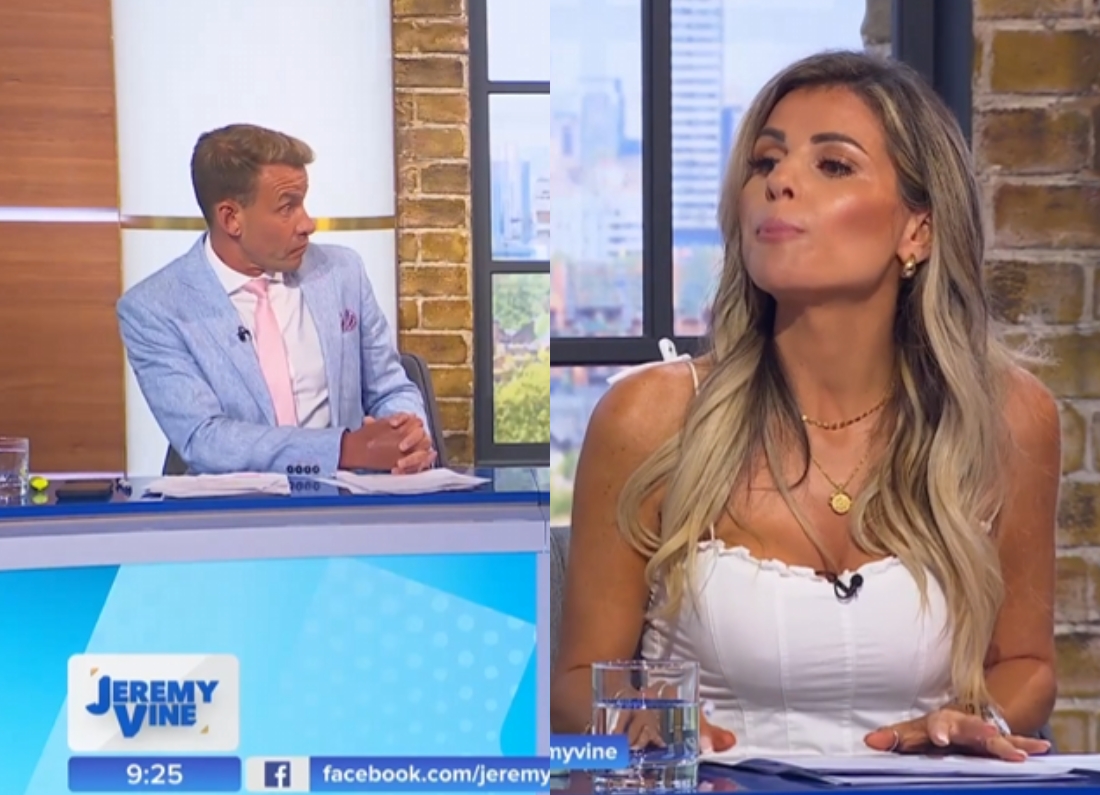
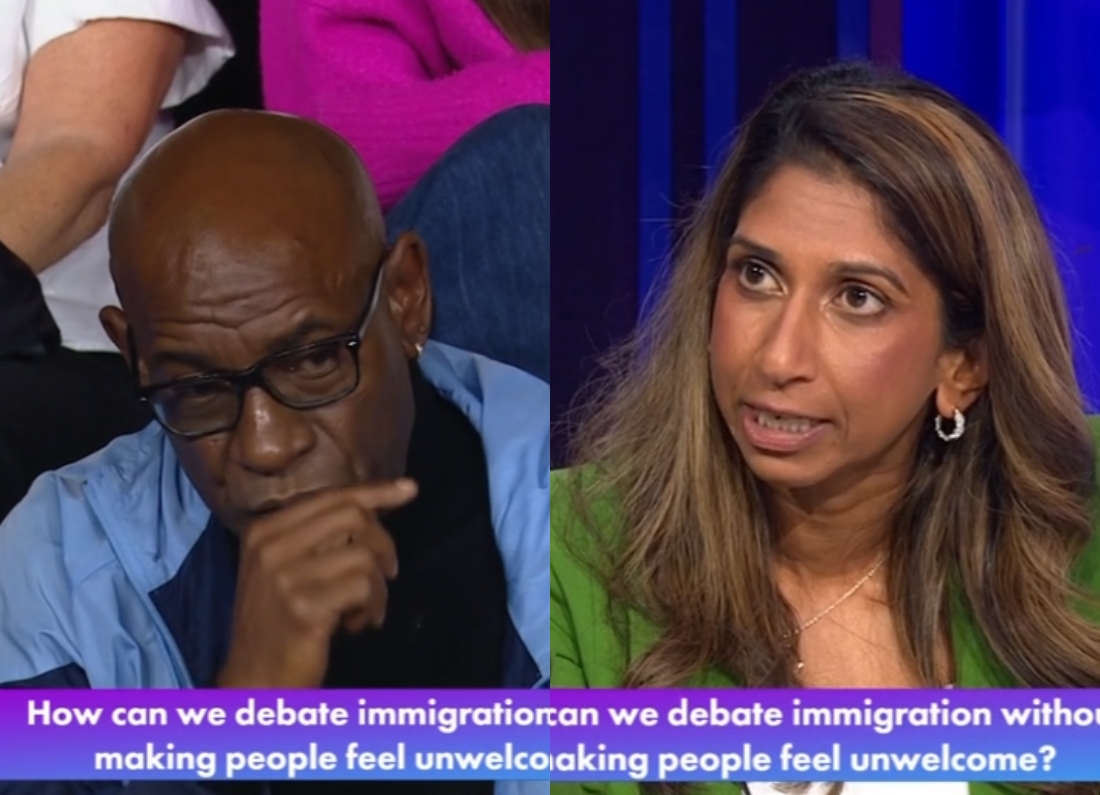
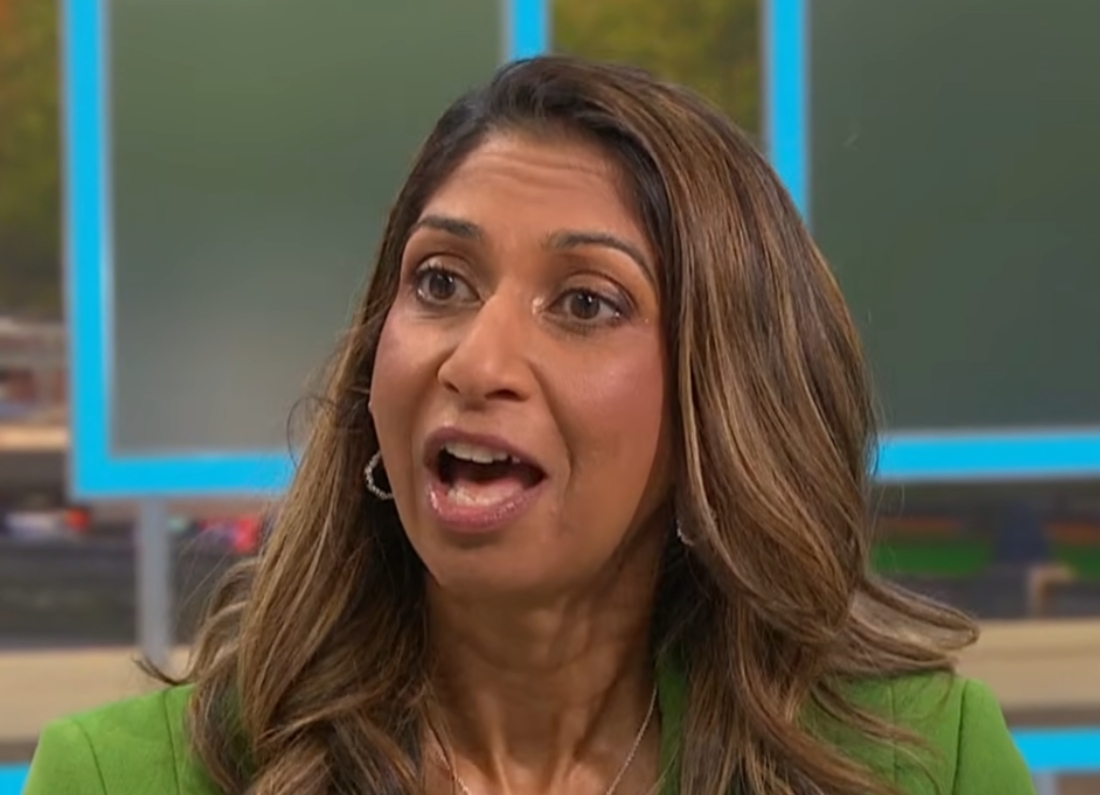
Marina Purkiss appeared on the Jeremy Vine show this week with a line that cuts to the heart of the two biggest Farage stories running simultaneously. “If he’s willing to say ‘Up the Ra’ for £86,” she asked, “what do you reckon he’ll do for £5m?”
The first reference is to a 2021 incident in which Farage was duped into recording a Cameo video using the Irish nationalist phrase “Up the Ra” – which he claimed he thought was entirely innocent. The second is to the undisclosed £5m personal gift from crypto billionaire Christopher Harborne, followed by a series of crypto policy speeches that directly benefited Harborne’s financial interests. The question Purkiss is posing is the obvious one: if £86 is enough to get Farage to say something he either didn’t understand or didn’t care about, what does £5m secure?
What the Guardian found
The Cameo context matters. Three months ago, the Guardian published a major investigation into Farage’s use of the paid personalised video platform, having analysed more than 4,000 clips. What they found was significant.
Farage was paid £141 to endorse a neo-Nazi group’s Canadian tour – the “Road Rage Terror Tour” organised by Diagolon, identified by the US State Department as a far-right extremist organisation. The prompt asked him to begin the video with the group’s slogan “They have to go back.” He duly obliged, starting: “They have to go back” and describing the event as “the most talked-about show in Canada.” Within hours, the neo-Nazi group was using the clip in propaganda alongside white nationalist messaging, antisemitic imagery and a leader of Diagolon making shooting gestures about brown-skinned people.
Farage was also paid £155 to record a sympathetic message for a man convicted of violent disorder during the 2024 far-right riots, telling him his sentence was “absolutely outrageous” and signing off: “I’m with you as well.”
He used the far-right slogan “If in doubt, kick them out” or variations of it more than 20 times across his Cameo videos. He referenced antisemitic conspiracy theories – the Bilderbergers, the Masons, the Rothschilds, George Soros – saying “I don’t think any of it is a conspiracy theory.” He recorded a birthday message for a user who asked him to say “Up the Rhodesia” – Rhodesia being a key far-right and white nationalist reference point. He made misogynistic remarks about female politicians including a reference to Alexandria Ocasio-Cortez’s “big naturals.”
His spokesman’s response to all of this was that “the occasional mistake can occur” at scale, that the videos “should not be treated as political statements,” and that Farage has “long been clear in his opposition to extremism.”
The Purkiss argument
What Purkiss did on the Vine show was connect the Cameo story to the £5m story in a way that is genuinely uncomfortable for Farage. The Cameo argument from his defenders is that he was duped – he didn’t know who was paying him or what they were going to do with the clip. Whether that is credible or not, it is at least a defence. But it only works if you accept the premise that Farage is an unwitting instrument of people with money who want him to say things.
Applied to the £5m, the same logic produces a rather different conclusion. Farage lobbied the Bank of England against the digital pound and publicly namechecked Tether – the stablecoin in which Harborne holds a major stake – after receiving the gift. The FCA has been asked to investigate whether those statements constituted an undisclosed financial promotion. The Parliamentary Standards investigation remains open.
The “I didn’t know what they wanted” defence, if it applies to Cameo, makes the £5m question harder to answer, not easier. Because at £86 for a Cameo clip, the transaction is at least transparent: someone pays for a message, Farage records it. The £5m was undisclosed, Harborne’s interests in Tether were never declared, and the policy speeches that followed are now a matter of public record.
The wider picture
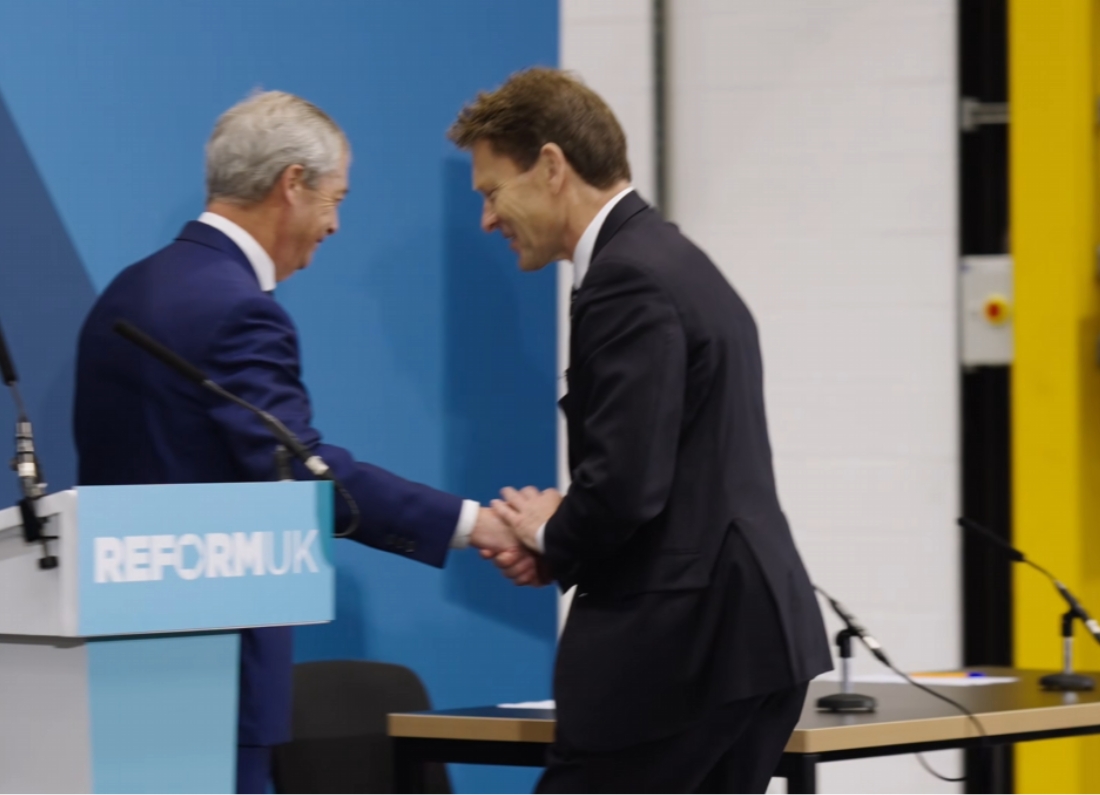
James O’Brien made the related point this week that Farage owned Reform UK when he took the money – making his “I wasn’t in politics” defence untenable. Kemi Badenoch wrote that “nobody gets £5m in their pocket for nothing.” His own shadow chancellor acknowledged the questions are legitimate for the media to ask.
The Cameo story and the £5m story are, as Purkiss implied, about the same underlying question: what does Nigel Farage say, and do, for money – and who is paying him? The Cameo investigation showed that at small scale, the answer is disturbing. The £5m story asks the same question at a scale that involves real political power, regulatory investigations and a formal parliamentary inquiry.
Farage spent the week telling interviewers the matter was “none of your business.” Purkiss’s line – economical, specific and pointed – suggests the public might see it differently.
5 responses to “Marina Purkiss rips into Farage on Jeremy Vine: ‘If he’d say “Up the Ra” for £86, what do you reckon he’ll do for £5m?’”
-
Marina was spot on as she usually is.
-
Well said Marina, surprised Jeremy Vine let you finish the sentence without butting in on you like he usually does
-
Name an MP who isn’t using Public Office as a Private Asset…
-
Only Britain can vote to have their Human Rights removed! There is no thicker nation on this planet!!
Remember “Thorn In The Side”? The tax avoidance scheme Führage had built for himself??
-
You’re spot on Marina. We need to defend our democracy and put an end to being manipulated by those who are dividing and destroying our society.






Leave a Reply