

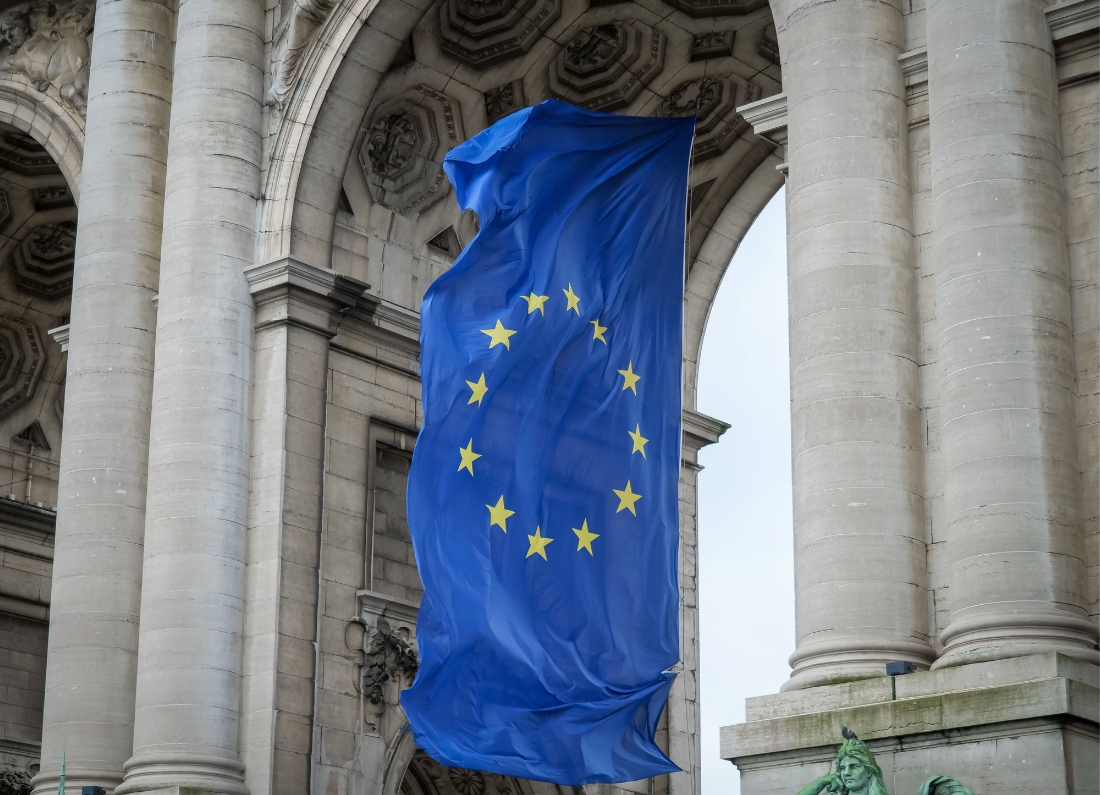
Two-thirds of Britons think Brexit has made every major issue they care about worse, according to a sweeping new poll published to mark the tenth anniversary of the 2016 referendum.
The survey, conducted by YouGov and Mandate Research for the European Council on Foreign Relations, found that 66% of the general public now consider leaving the EU to have been “negative” for the UK. Respondents believe Brexit has made the cost of living, economic growth, opportunities for young people, trade and managing illegal immigration all harder to address – not one area where they feel it has helped.
The numbers
The scale of the shift in public opinion is striking across almost every measure. Three-quarters of Britons – 75% – now want a closer relationship with the EU, including 49% of Reform UK voters. 63% of respondents, including a large proportion of Reform voters and 2016 Leave voters, say they would now accept the return of freedom of movement in exchange for a closer trading relationship. Even opposition to UK involvement in a European army has fallen, with 43% now supporting the idea.
On the question of where Britain should direct its diplomatic energy, 63% said they want the government to focus on improving relations with the EU over strengthening ties with the US – a finding that sits alongside separate polling showing only one in ten Europeans now see the United States as an ally.
Perhaps the most significant figure for anyone assessing the long-term political trajectory: only 66% of Leave voters say they would vote to stay out of the EU in a new referendum. A third of those who voted Leave in 2016 are no longer certain they would do so again.
What the polling experts say
Mark Leonard, co-founder and director of the European Council on Foreign Relations, said the data showed Britons were realising Brexit had “undermined” the UK’s ability to respond to the issues they actually care about. “Ten years ago, Brexit was the insurgent vehicle for a nation rejecting the status quo,” he said. “However, a decade on, Brits realise their hopes for a better life outside the EU are going unfulfilled and that Brexit is undermining the UK’s ability to manage the issues voters care about most.”
Leonard called on the government to move beyond defensive positioning on Europe. “Rather than talking about red lines we should have a green light to a debate about how Europe can help rebuild the UK and its global influence for the 2030s and 2040s,” he said.
Part of a wider shift
The ECFR poll is the latest in a series of surveys painting a consistent picture of changed public opinion. A separate Ipsos poll this week found half of Britons now want a second Brexit referendum, including a quarter of those who voted Leave in 2016. Michel Barnier said this week that the UK could retain the pound and stay outside Schengen if it rejoined the EU, describing it as “perfectly possible” given precedents already set by other member states.
The economic case behind those polling numbers has also been hardening. New research from the Centre for European Reform found Brexit has cut trade in almost every sector of the economy, with agrifood exports down 29%, travel exports down 39% and financial services exports down 24%. A former Goldman Sachs chief economist has described it as “a colossal economic shock” causing more permanent damage than the worst global energy crisis since the 1970s.
ONS data published this week laid bare what Brexit actually did to immigration: EU migration fell as promised, but non-EU migration surged to record levels, pushing net migration to 906,000 in the year to June 2024 – a number that would have seemed inconceivable to those who voted Leave on the promise of control.
The political backdrop
The poll lands at a politically charged moment. Hundreds marched through London on Saturday at the National Rejoin March, calling for the UK to return to the EU on the eve of the referendum’s tenth anniversary. The march comes as Andy Burnham prepares to challenge Keir Starmer’s Labour leadership following his Makerfield landslide – a contest in which Europe is already emerging as a dividing line. Burnham said last September that he wanted the UK back in the EU within his lifetime, but has since pledged not to “re-run” the Brexit arguments.
David Lammy refused five times on Sky News to say whether the UK should rejoin the EU, as Labour’s internal divisions on the question began to surface publicly. The polling suggests the public is considerably less conflicted than the political class: two-thirds think Brexit has made things worse, three-quarters want a closer relationship with Europe, and a clear majority are open to the kind of changes – including on freedom of movement – that politicians have been reluctant to discuss.
The gap between where public opinion has arrived and where the political conversation currently sits is, on this evidence, significant.








Leave a Reply