

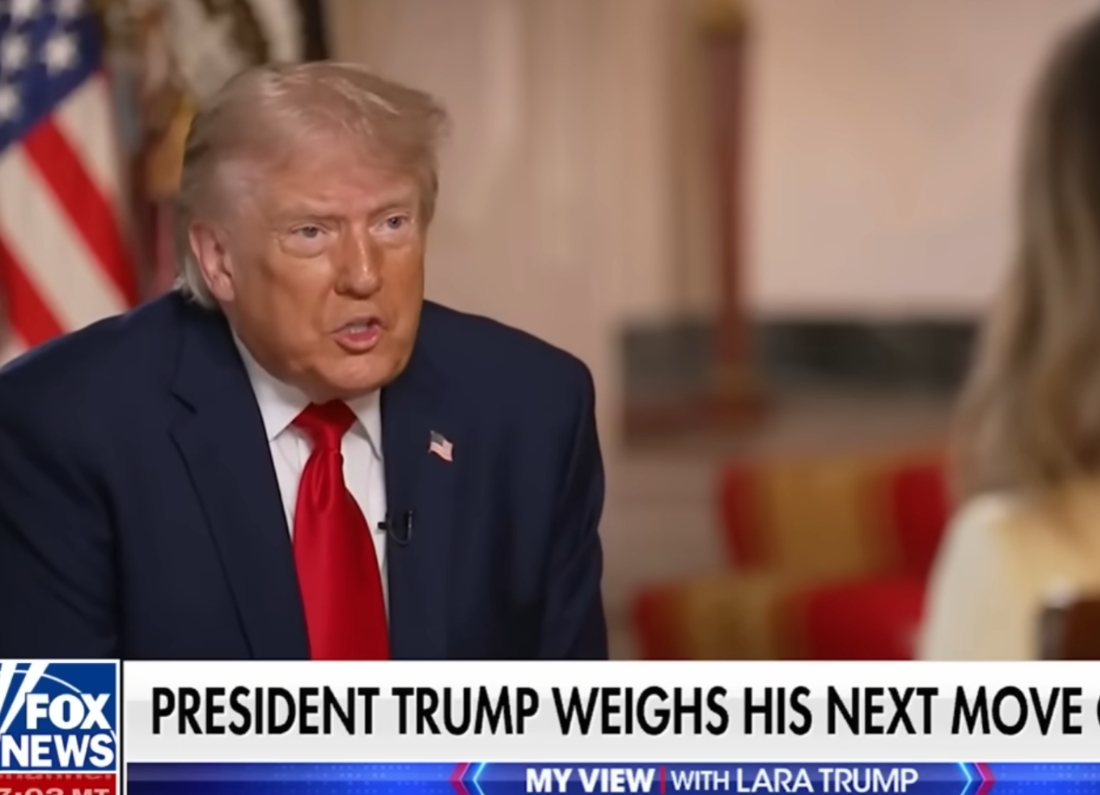
Donald Trump threatened to “militarily complete the job” and warned that Iran would “no longer exist” in the early hours of Sunday morning, after the ceasefire between the US and Iran appeared to collapse in a sequence of strikes, counter-strikes and competing accusations of who broke the deal first.
The immediate trigger was a drone attack by Iranian forces on the MT Kiku, a Panama-flagged oil tanker in the Strait of Hormuz. US Central Command said it had given Iran the opportunity to honour the ceasefire agreement and, having been ignored, struck multiple Iranian military targets including missile and drone storage locations and coastal radar sites in and around the Strait.
Iran’s Revolutionary Guard said American forces had hit five coastal posts. In retaliation, the IRGC said it had launched ballistic missiles and drones at “eight key pieces of infrastructure” – including the Ali al-Salem airbase in Kuwait and the US Fifth Fleet at Port Salman in Bahrain – claiming to have destroyed them. An American official told Reuters that no building had been damaged. Kuwait and Bahrain activated their air defence systems. Bahrain’s interior ministry urged citizens to “remain calm and head to the nearest safe place.”
Trump’s words
Writing on Truth Social at around 3am, Trump posted: “United States aircraft just struck Iranian missile and drone storage locations, and coastal radar sites, for violating the Cease Fire Agreement, AGAIN! It is very possible that they will never learn! There may come a point when we are no longer able to be reasonable, and will be forced to militarily complete the job that we very successfully started. If that happens, the Islamic Republic of Iran will no longer exist!”
The language echoes his warning in April, at the start of the conflict, that “a whole civilisation will die tonight” unless Iran agreed to a deal. That statement prompted Keir Starmer to say they were “words and phrases I would never use on behalf of this government.” Trump subsequently said King Charles would have taken “a different stand” to Starmer on Iran, in what was widely read as an attempt to apply royal pressure to British foreign policy.
Iran’s position
Tehran accused the US of being the party that broke the ceasefire – specifically by continuing to allow Israeli strikes on Lebanon, which Iran says was a condition of the deal. Iran’s foreign ministry condemned the “brutal attacks” and warned the escalation could collapse the peace process entirely. The IRGC warned that any further aggression “under any pretext” would draw “a crushing response.”
The ceasefire has been fragile from the beginning. When Trump extended the original ceasefire, Iran called it “a ploy to buy time for a surprise strike.” Iran has been demanding Bitcoin payments for Hormuz shipping as part of ceasefire terms – an arrangement that reflects both the unusual nature of this conflict and the absence of any normal diplomatic framework for its resolution. The Strait has been closed and reopened multiple times since the original ceasefire was announced.
What this means for Britain
The immediate economic impact of a renewed escalation would be severe. Around a fifth of global oil passes through the Strait of Hormuz – any sustained closure or disruption pushes energy prices globally and feeds directly into UK household bills. The Iran war has already put 250,000 UK jobs at risk and pushed the economy toward recession. BP’s profits more than doubled on the back of the Iran war energy windfall while British households face a £300 bill rise in July.
The UN has warned that 45 million people face starvation if the Strait is not reopened to fertiliser ships within weeks. The UK government has already been planning for summer food shortages as the CO2 crisis threatens chicken, beer and healthcare supplies. The EU has been urging Europeans to work from home and fly less in response to the prolonged energy crisis the war has created.
Inside the White House
Trump’s own frustration with Netanyahu has been documented, with reports of a midnight meltdown and Trump reportedly describing the Israeli prime minister as “fucking crazy.” Maggie Haberman’s new book Regime Change, reported this week, revealed that JD Vance was the only senior figure who aggressively told Trump that Iran was a bad idea – and that it hurt Vance’s standing with Trump as a result. Trump told an anxious adviser before the war: “It’s going to be okay. You know how I know? Because it always is.”
The problem, as Haberman documented, is that on Iran the facts on the ground won’t bend. Trump believed the war would be quick – “like going into Venezuela” – and that a compliant government would follow. Iran is a theocracy of 90 million people with a Revolutionary Guard that has now demonstrated it is willing to strike US military assets in Kuwait and Bahrain. That is not Venezuela. And the ceasefire that was supposed to mark the end of the conflict has now broken down for the second time since it was announced.
The domestic context
When asked whether anyone would be held accountable for the Iranian school strike, Trump replied: “That was a long time ago.” UK ministers have been preparing for mass protests as Iran war-related bills bite, with a focus on managing public disorder rather than additional financial support for households. The Iran crisis has become the defining international context for Andy Burnham’s incoming premiership – a war he had no hand in starting, whose economic consequences are already landing on British households, and which now appears to be escalating again.
Trump’s Truth Social post ending with “the Islamic Republic of Iran will no longer exist” is not policy. It is a threat, posted at 3am, in a conflict that has already cost Britain hundreds of thousands of jobs and pushed energy bills to record highs. Whether it accelerates toward what Trump calls “completing the job” or whether it is another escalation that eventually settles back into a fragile ceasefire is the question that will define the coming days. The IRGC’s warning that any further aggression will draw “a crushing response” suggests Tehran is not reading it as a bluff.





Leave a Reply