Iran has reversed its brief reopening of the Strait of Hormuz, saying the continued US naval blockade of its ports constitutes a violation of the ceasefire – plunging the fragile peace back into uncertainty as Donald Trump threatened to resume bombing if a permanent deal is not reached by Wednesday, describing a potential return to war in chilling terms: “Unfortunately we have to start dropping bombs again.”
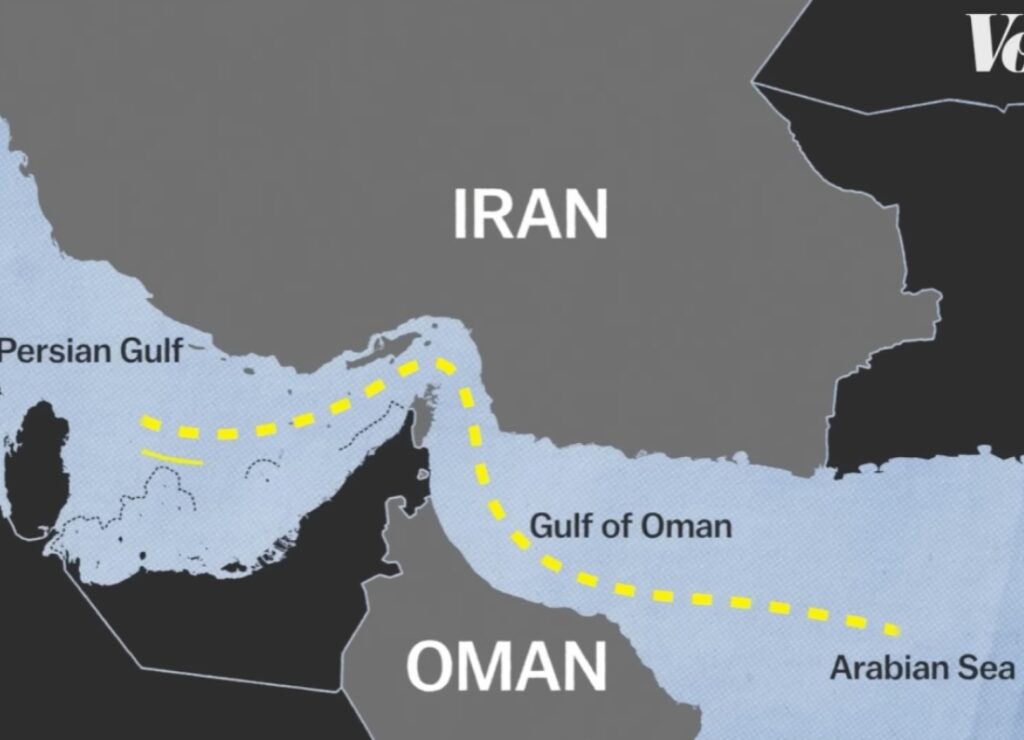
The strait – through which approximately a fifth of the world’s crude oil and petroleum products normally pass – had been declared open by Iran’s Foreign Minister Abbas Araghchi on Friday, with oil prices dropping sharply by around 11% on the announcement. That relief was short-lived. Iran’s military subsequently reversed the decision, saying Washington’s ongoing naval blockade made the reopening untenable.
The conditions Iran set – and why they collapsed
Iran’s initial reopening of the strait had come with significant conditions attached. Ships must be commercial. The passage of military vessels is prohibited and neither the ships nor their cargo may be linked to hostile countries. Vessels must pass through routes designated by Iran, and transit must be coordinated with Iranian forces responsible for managing passage.
Iran had initially agreed, as part of the Pakistan-mediated ceasefire plan, to allow a limited number of vessels to transit daily, but suspended the arrangement after the ceasefire was not implemented in Lebanon and was not extended to cover fighting between Hezbollah and Israel. Iran considers the continuation of the US naval blockade a violation of the ceasefire and has warned it would close the strait again if the blockade is not lifted.
The IRGC warned that “the smallest mistake by the enemy will be seen as a violation of the ceasefire” – language that does not suggest confidence in the fragility of the current situation.
Trump’s Wednesday deadline
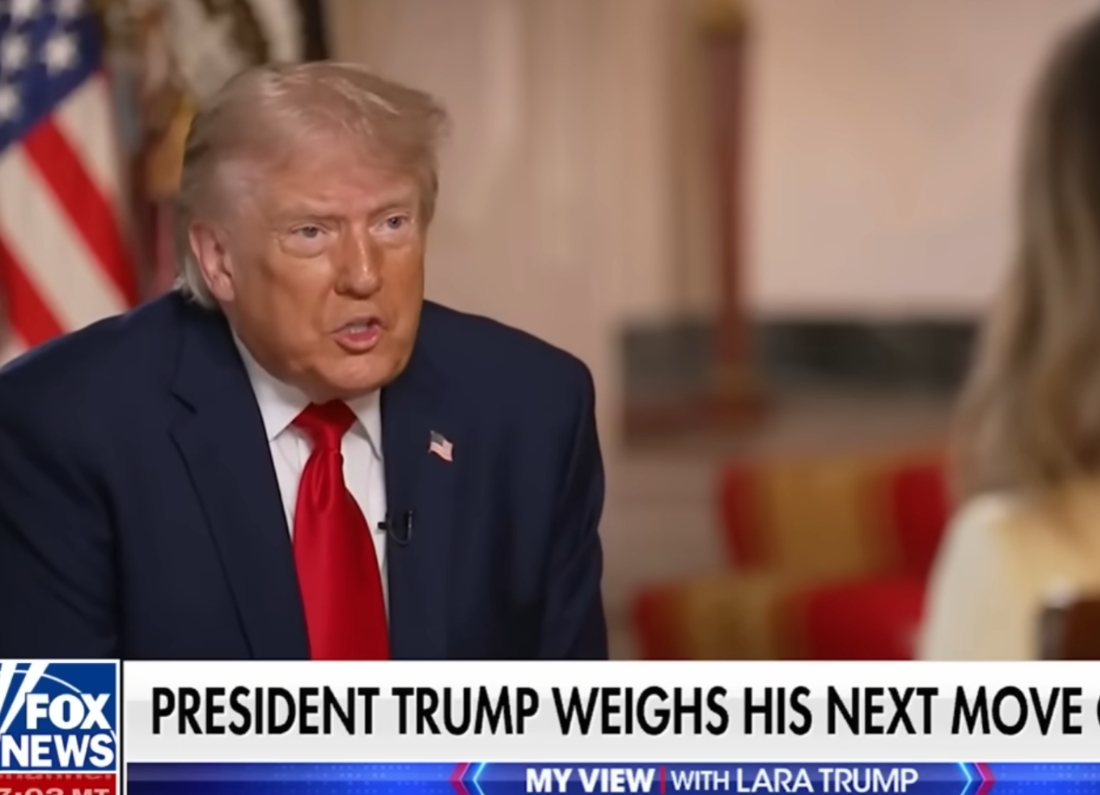
Speaking to reporters aboard Air Force One en route to Washington from Phoenix, Trump issued what amounted to an ultimatum. “Maybe I won’t extend it, but the blockade is going to remain,” he said of the ceasefire. “So you have a blockade, and unfortunately we have to start dropping bombs again.”
He suggested there had been some “pretty good news” regarding Iran in the preceding hours – comments he declined to elaborate on – and hinted at a public statement on Saturday, saying only that it would “not be about Iran.” The cryptic nature of that announcement immediately generated widespread speculation about what might be coming.
The US military confirmed overnight that its blockade of Iranian ports “has been fully implemented” and that US forces “have completely halted economic trade going into and out of Iran by sea,” having turned back ten ships since the blockade began on Monday.
Iran rebuilding its military during the ceasefire
Adding to the complexity of the negotiations, CNN reported that satellite images reviewed by its analysts showed Iran has been systematically working to remove debris blocking the entrances to its underground missile bases during the ceasefire – a process that, if completed, would restore significant military capability that the US and Israeli strikes spent weeks attempting to destroy.
US intelligence assessed that roughly half of Iran’s missile launchers were still intact after a month of fighting. Many of those launchers may have been buried underground by the strikes on tunnel entrances. The reconstruction effort suggests Iran is using the ceasefire window not just to negotiate but to rebuild its military posture.
The broader picture: 230 tankers waiting, global economy strained
The human and economic cost of the continued closure is immense and escalating. 230 loaded oil tankers were reported waiting inside the Gulf, unable to transit the Strait of Hormuz. The restriction of oil shipments by more than 90% – around 10 million barrels per day – has raised energy and agricultural input costs worldwide.
Iran’s armed forces have also threatened to block shipping from the Persian Gulf, the Sea of Oman and the Red Sea if the US continues its blockade and “creates insecurity for Iranian commercial ships and oil tankers”. That threat – an extension of the conflict into additional waterways – would represent a further escalation with potentially catastrophic consequences for global trade.
The IMF has already cut growth forecasts for Britain and other major economies as a result of the conflict. UK food inflation is heading toward 9%. Energy bills are expected to rise by £300 in July. Every additional day the Strait remains closed deepens the structural damage to the global economy that the ceasefire was supposed to begin repairing.
Starmer and Macron’s Hormuz conference
Against this backdrop, Keir Starmer and French President Emmanuel Macron confirmed plans for an international conference at the Elysée Palace aimed at coordinating a multinational approach to restoring freedom of navigation in the Strait of Hormuz once the war ends.
The “Initiative for Maritime Navigation in the Strait of Hormuz” will be co-chaired by Macron and Starmer, France announced. The two leaders have been working to build a coalition of countries prepared to contribute to a peaceful multinational mission to reopen the waterway.
The UK has autonomous mine-hunting drones in the region and has made clear it will not join the US naval blockade – framing its role as reopening the strait peacefully rather than enforcing economic pressure on Iran. Starmer has said Britain’s minesweeping capability is “focused on getting the straits fully open” rather than on extending the conflict.
What happens next
The ceasefire was struck on 8 April and runs for two weeks, meaning it expires on approximately 21-22 April. With Trump now publicly stating he may not extend it, the window for a negotiated settlement is narrowing rapidly.
The three main sticking points that derailed the Islamabad talks – Iran’s nuclear programme, the Strait of Hormuz and compensation for wartime damages – remain unresolved. Iran has demanded lifting of sanctions, guarantees around its nuclear programme, and the right to charge ships passing through the strait as war reparations. The US has offered what Vance described as “a final and best offer” – Iran has so far rejected it.
Pakistan, which mediated the original ceasefire and hosted the first round of talks, is still working to arrange a second meeting. Whether that meeting happens before the ceasefire expires – and whether it produces the deal that the first round failed to deliver – may determine not just whether this particular war restarts, but whether the global economy is plunged into a deeper crisis that policy makers on both sides of the Atlantic have spent weeks trying to prevent.
You may also like: What is the Strait of Hormuz – and why does it matter to Britain?