

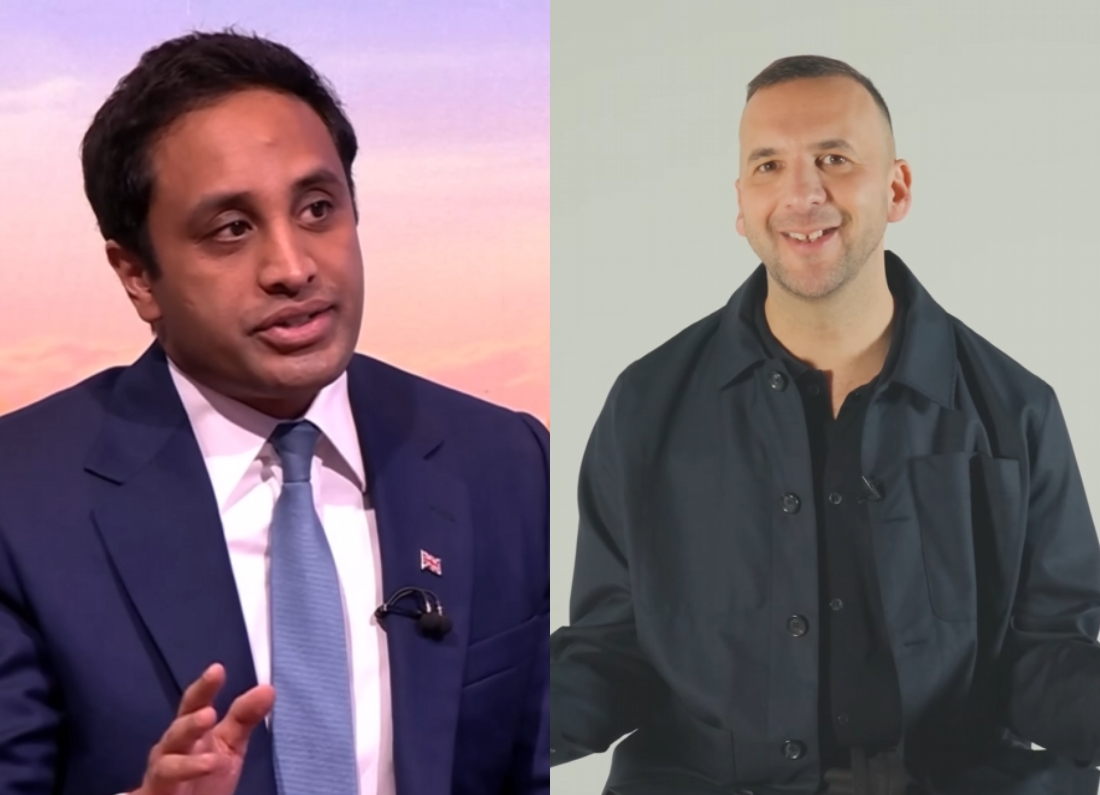
As Belfast erupted into riots – homes and cars set alight, a bus burned, masked men chanting “get foreigners out,” the victim of the original attack left having lost his left eye and suffered damage to his right – Reform’s Zia Yusuf posted on social media: “Some cultures are MUCH better than others.” Green Party leader Zack Polanski condemned it as “the kind of thing that was said about the Jews in the 1930s.” By Wednesday morning, not one of Farage, Yusuf, Suella Braverman, Robert Jenrick or Richard Tice had issued a statement outright condemning the riots. Farage’s sole tweet that morning was about fly-tipping.
The pattern journalist Dan Hodges identified was specific: “We saw it in Southampton. We’ve seen it in Belfast. They’re all over social media and the airwaves with inflammatory and provocative language. Then when violence occurs, they go to ground.”
The post – and the response
Yusuf’s Tuesday evening post – “Some cultures are MUCH better than others” – came in the immediate aftermath of the Belfast attack, as footage circulated on social media and far-right figures across the UK and internationally were amplifying it to generate anger. As we reported in our Hasan Musk piece, Mehdi Hasan told Newsnight that Musk “is obsessed with finding these cases where he can then amplify far right voices.” Yusuf’s post is the domestic expression of the same instinct.
Polanski’s response was measured but direct. “This is the kind of thing that was said about the Jews in the 1930s. It is not hyperbolic to say that degrading an entire culture leads us to a very dark place.”
He also identified the specific political dynamic driving it. “Reform are playing with fire right now trying to stop themselves being outflanked by the extremists of Restore.”
As we reported in our Electoral Dysfunction analysis, Ruth Davidson identified this exact pressure: Farage under pressure from Rupert Lowe’s Restore Britain on his right flank, with Elon Musk having shifted support from Reform to Restore in the Makerfield byelection. The further right Restore goes, the further right Reform is pulled to hold its base. Yusuf’s “some cultures are MUCH better” post is what that pressure produces.
As we reported in our Streeting 1930s propaganda piece, Wes Streeting drew the 1930s comparison on The News Agents when Reform ran its misleading Badenoch attack ad – making the same specific point Polanski is making here. “I don’t say this lightly,” Streeting said then. “This is the type of propaganda that is reminiscent of the 1930s.” Polanski, two weeks later, is saying the same thing about different content from the same party.
What happened in Belfast
A court heard on Wednesday that Hadi Alodid, the 30-year-old Sudanese man who arrived in the UK in 2023 and was granted refugee status, has been charged with attempted murder following the attack. The court was also told the victim – who has not been named – has lost his left eye, suffered damage to his right eye, and sustained injuries to his neck and back.
As we reported in our Belfast stabbing piece, the PSNI had held emergency meetings in advance of the riots, having identified that far-right figures online were calling for people to take to the streets wearing masks. Those scenes came to pass. Homes and cars were set on fire. A bus was burned. Men in masks chanted “get foreigners out.”
Claire Hanna, the Belfast MP and SDLP leader, described the violence as a “race-based pogrom.” This is not the language of partisan rhetoric. It is a specific historical term describing the organised targeting of an ethnic group – used here by a politician describing what she watched happening in her constituency.
Reform’s silence – and the pattern
The sequence is now documented twice in a fortnight. As we reported in our Southampton riots piece, Farage called for “pure cold rage” the day after Henry Nowak’s family asked for calm. Riots followed within 48 hours. As we reported in our Nowak polling piece, Opinium polling found Farage’s Nowak response was the most disapproved of any party leader – and he was the only one to record net negative approval. He did not condemn the Southampton riots.
In Belfast: Yusuf said the attack was “a direct result of treacherous Tory and Labour immigration policy.” As we reported in our Jenrick community note piece, Jenrick condemned the attack as “barbaric” and was community-noted by X users pointing out he was the Immigration Minister when the suspect was granted leave to remain. Richard Tice, as we reported in our Starmer Tice PMQs piece, asked Starmer to resign over the boats at PMQs on Wednesday and was reminded about his £600,000 in avoided corporation tax.
None of them – not Farage, not Yusuf, not Braverman, not Jenrick, not Tice – issued a statement condemning the riots in Belfast.
Farage tweeted once that morning. About fly-tipping.
‘They go to ground’
Hodges’ summary is the most precise: “They’re all over social media and the airwaves with inflammatory and provocative language. Then when violence occurs, they go to ground.”
The mechanism is documented across both cases. Inflammatory language generates heat. That heat produces violence. The same people who generated the heat then become conspicuously silent about the violence. What they have not done – in Nowak’s case, in Belfast’s case, in any case – is acknowledge the specific chain of events that connects their language to the outcomes on the streets.
Polanski’s 1930s comparison is the historical context for that silence. The people who used language to degrade and dehumanise in that era were also often not the people who personally committed acts of violence. They generated the conditions. They watched. As we reported in our Owen Jones dictatorship piece, Jones argued that the far right have learned not to need to be in the streets themselves – what matters is building the political and cultural conditions in which others act.
Yusuf’s post – “Some cultures are MUCH better than others” – is not a call to riot. It does not need to be.






Leave a Reply