The United Nations has issued one of its starkest warnings yet about the human consequences of the Iran war, with the executive director of UNOPS warning that 45 million additional people could face hunger and starvation if the Strait of Hormuz is not reopened to fertiliser shipments before the global planting season closes in the coming weeks – as Donald Trump dismissed Iran’s ceasefire proposals as “garbage” and declared the ceasefire process was on “life support.”
Jorge Moreira da Silva, executive director of the UN Office for Project Services and leader of a UN task force established by Secretary General António Guterres specifically to address the fertiliser crisis, told AFP: “We have a few weeks ahead of us to prevent what will likely be a massive humanitarian crisis. We may witness a crisis that will force 45 million more people into hunger and starvation.”
Why fertiliser – and why now
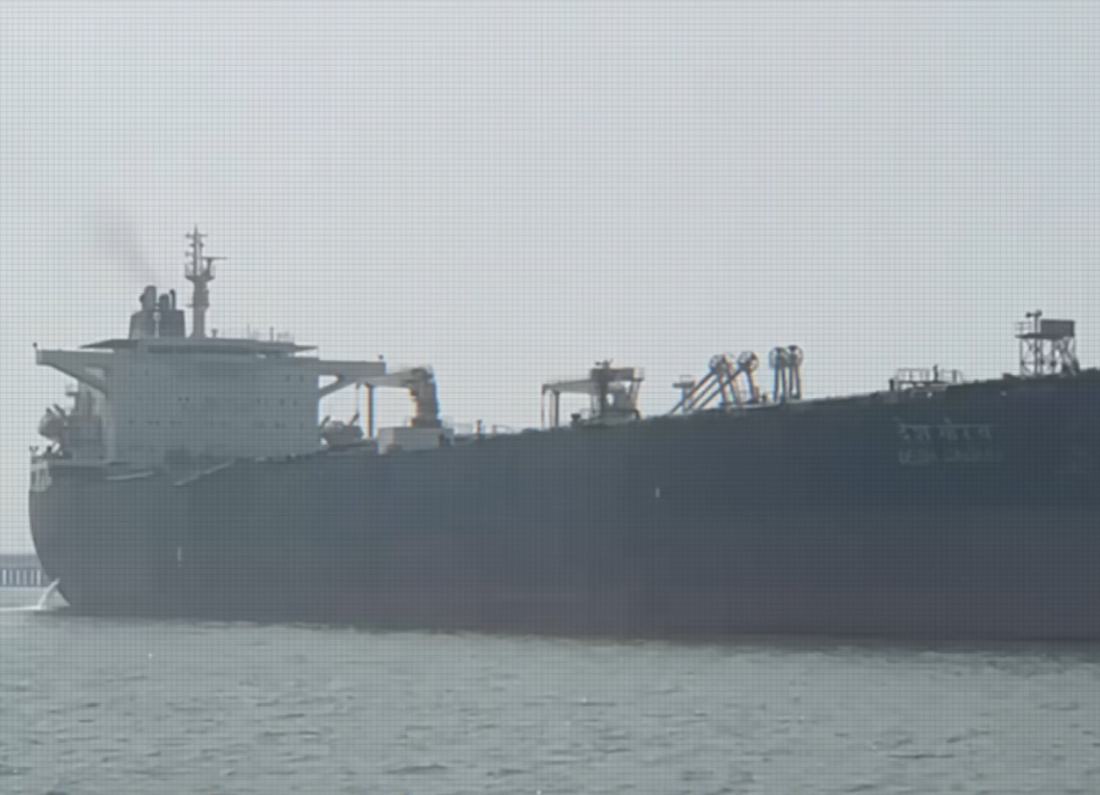
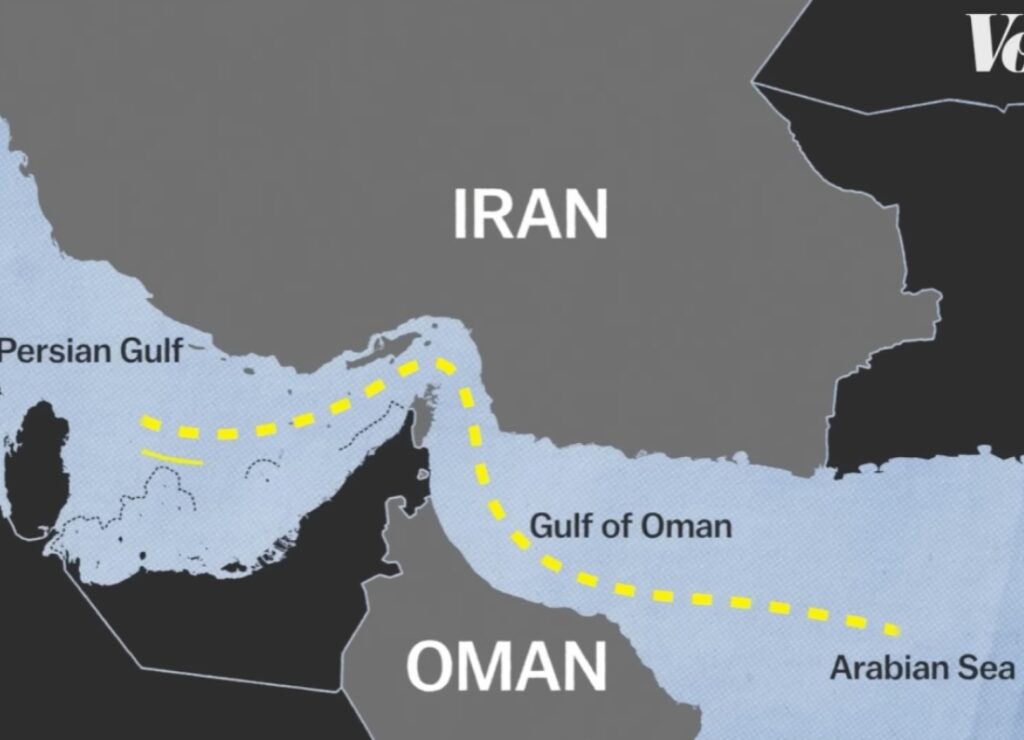
The warning centres on a specific and time-critical dimension of the Hormuz closure that has received far less coverage than the energy price impact. The Strait of Hormuz is not only the route through which roughly 20% of the world’s oil and gas passes – it is also the primary transit route for the fertilisers that enable the world’s agricultural systems to function.
Ammonia, sulphur and urea – the key chemical compounds used in agricultural fertilisers – are produced in significant quantities in Gulf states and Iran and transported globally through Hormuz. Farmers across the world depend on these shipments arriving before their planting seasons begin. Miss the planting window and the harvest is lost – not delayed, but lost.
The global planting season closes in weeks. The Strait of Hormuz has been effectively closed since Iran retaliated against US and Israeli strikes with a blockade of the shipping lane. The UN task force’s specific ask is minimal: five ships per day carrying essential farming materials allowed through the strait would be sufficient to head off the worst of the crisis.
“If we don’t stop the origin of the crisis soon, we will have to deal with the consequences through humanitarian aid,” Moreira da Silva said. “We can’t procrastinate on what is possible to do, and what is urgent to do – which is let the fertilisers cross the strait and, through that, minimise the risk of massive food insecurity at the global level.”
The political deadlock
Moreira da Silva has met with representatives from more than 100 countries to build support for the initiative. Neither the Gulf states, the United States nor Iran are yet fully on board.
The timing of his warning coincides with the bleakest assessment yet of the ceasefire process. Trump has declared the ceasefire on “life support” and dismissed Tehran’s latest peace proposals as “garbage” – language that has effectively closed the diplomatic space that might have produced a partial humanitarian exemption even while the broader standoff continued.
The US military blockade of Iranian ports, imposed in retaliation for the Hormuz closure itself, has created a symmetrical standoff with no obvious off-ramp. Iran will not reopen Hormuz while its own ports are blockaded. The US will not lift the port blockade while Hormuz remains closed. Both positions are strategically logical. Together they produce a deadlock with a ticking humanitarian clock.
The wider cost Britain is already paying
As we reported in our piece on the Iran war’s direct impact on British households, 250,000 jobs are already at risk from the economic disruption the conflict has caused. As we reported in our BP profits piece, oil companies have doubled their profits in three months while ordinary households face a £300 increase in energy bills this July.
As we covered in our explainer on the Strait of Hormuz, the waterway handles approximately 20% of the world’s petroleum liquids – a share so large that no rerouting through alternative passages can compensate for its closure at scale. The UN’s warning adds a second dimension to that story: the same closure that is driving up energy prices is simultaneously threatening to cut off the fertiliser supply that feeds a significant portion of the world’s population.
The government has already been planning contingency measures. As we reported on government food shortage planning, Whitehall has been making preparations for the possibility that the Hormuz closure produces food supply disruptions over the summer months. The UN’s warning suggests those preparations were well-founded.
The scale of what 45 million means
The figure of 45 million additional people facing hunger is not a projection of total global hunger – which already stands at approximately 735 million people according to the FAO’s most recent report. It is the additional number who would be pushed into food insecurity by the specific loss of this season’s harvest in the regions most dependent on Hormuz-transited fertilisers.
Those regions are disproportionately concentrated in South Asia, sub-Saharan Africa and parts of the Middle East – countries that were already experiencing food insecurity before the Iran war began and where the margin between adequate nutrition and hunger is measured in small shifts in food availability and price.
Moreira da Silva’s framing – “45 million more” – is precise in its horror. It means this is not a consequence that falls on people already accounted for in existing humanitarian response plans. It is an additional population of people pushed into crisis by a geopolitical standoff between states whose own food security is not immediately at risk.
What would solve it – and why it isn’t happening
The UN task force’s specific ask is startlingly modest relative to the scale of the crisis it is trying to prevent. Five ships per day. Not a full reopening of Hormuz. Not a ceasefire. Not a withdrawal of forces. Five ships per day carrying ammonia, sulphur and urea – the specific materials required to enable farmers across the developing world to plant this season’s crops.
The political will to grant that exception does not currently exist. The US will not negotiate partial exemptions from a blockade it imposed as leverage. Iran will not grant selective access to a waterway it closed as retaliation. Neither party is primarily moved, in this calculation, by the planting seasons of farmers in Bangladesh or Ethiopia.
“It’s just a matter of time,” Moreira da Silva said. “If we don’t stop the origin of the crisis soon, we will have to deal with the consequences through humanitarian aid.”
Humanitarian aid after a harvest fails is considerably more expensive, less effective and more politically fraught than allowing five ships through a strait before the planting season closes. That calculation is available to everyone with the power to act on it. The UN has made it explicit. Whether anyone in Washington, Tehran or Riyadh is listening is the question on which 45 million lives now depend.