

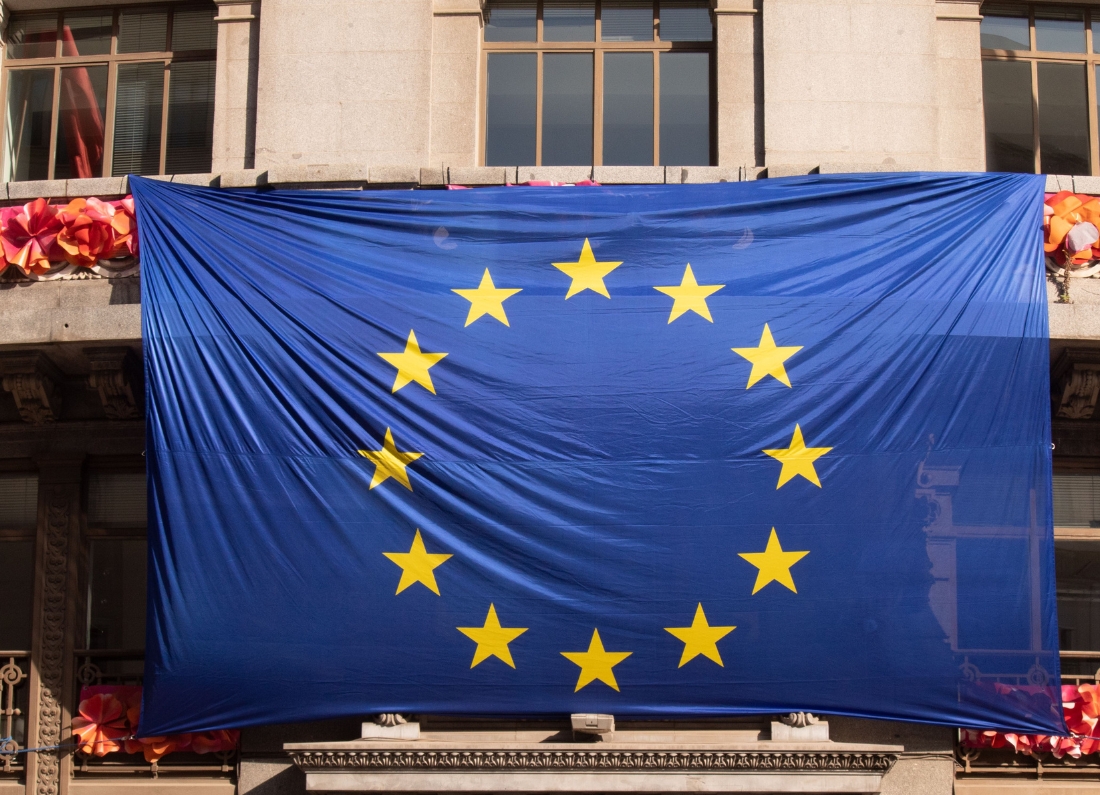
Support for Britain rejoining the European Union has reached its highest sustained level since the Brexit referendum, according to polling expert Sir John Curtice.
An average of recent polls shows 61 per cent of people expressing a preference would vote to rejoin the EU, while 39 per cent would choose to remain outside.
That gives the rejoin side a 22-point lead and represents a dramatic reversal of the 52-48 result which took Britain out of the bloc.
Curtice described the figure as the highest recorded over an extended period since the 2016 referendum.
However, he warned that the headline advantage could narrow substantially during a real campaign once voters were confronted with questions about the terms Britain might face.
Concerns about the euro, the Schengen travel area, freedom of movement and Britain’s financial contribution could all influence the result.
Younger voters have transformed the electorate
Curtice said most people who participated in the original referendum have not actually changed sides.
Around 18 per cent of those who voted Leave now say they would support rejoining. Movement in the opposite direction is smaller, with approximately 11 per cent of former Remain voters saying they would vote to stay outside.
Much of the overall change has instead been driven by the composition of the electorate.
Ten years of younger voters have reached voting age since the referendum, and they are considerably more supportive of EU membership than the electorate as a whole.
At the same time, some older voters from the predominantly Leave-supporting generation have died. People who were entitled to vote in 2016 but did not participate also now lean towards rejoining.
Those demographic changes mean the electorate Britain would consult in another referendum is no longer the electorate that produced the original result.
Curtice told The Independent that the trend was likely to continue if other political conditions remained broadly unchanged.
Public opinion moved without political encouragement
The shift is particularly significant because relatively few major political parties have spent the past decade actively arguing for Britain to rejoin.
The Greens and nationalist parties have supported returning to the EU, while the Liberal Democrats have gradually adopted a more explicitly pro-European position.
Labour has remained much more cautious. Its leaders have concentrated on improving the existing relationship with Brussels while ruling out a return to the EU, single market or customs union.
Curtice argued that public opinion had therefore moved despite voters receiving relatively little encouragement from senior politicians.
He suggested a serious political campaign in favour of membership could potentially move support further towards rejoining.
That is not guaranteed. The polling shows that a substantial potential constituency for rejoining exists, but it has not yet been tested during a national campaign in which opponents would scrutinise the conditions attached.
Why a 61 per cent lead might not be secure
A future referendum would not simply repeat the choice offered in 2016.
Britain previously enjoyed several exemptions from European integration, including remaining outside the euro and Schengen. There is no guarantee that all those arrangements would be restored if the UK applied to return.
Any membership application would also require negotiations with EU governments. The eventual terms would become central to a referendum campaign.
Curtice said supporters of rejoining would begin from a much stronger position than the Remain campaign occupied in 2016, but warned that they could still lose if opponents successfully framed the choice around sovereignty and European conditions.
The distinction between supporting the general idea of rejoining and accepting a specific membership agreement is important.
Some voters who want a closer relationship with Europe may hesitate if they believe returning would mean adopting the euro, restoring freedom of movement without restrictions or making a substantially larger contribution to the EU budget.
Equally, supporters of membership could argue that access to European markets and greater influence over decisions affecting Britain would outweigh those concerns.
No actual re-entry terms currently exist, meaning polling respondents are expressing a preference in principle rather than approving a negotiated agreement.
Brexit’s economic reputation has deteriorated
The rise in support for rejoining has occurred alongside increasingly negative assessments of Brexit’s consequences.
Research published by the National Centre for Social Research found that 69 per cent of people believed Britain’s economy was worse off because of leaving the EU.
Only 9 per cent thought the economy had benefited, while 20 per cent believed Brexit had made little difference.
Even among people who voted Leave, 38 per cent said the economy was worse off. That was a substantial change from the period immediately after the referendum, when more than half of Leave voters expected Brexit to make Britain economically stronger.
The same research found that 54 per cent of the public believed Brexit had increased immigration, compared with just 7 per cent who thought it had reduced it.
Before the referendum, 57 per cent expected immigration to fall if Britain left the EU.
Those findings do not mean every disappointed Leave voter now wants to reverse Brexit. NatCen found that concerns about the economic outcome were more likely to change voting intentions than dissatisfaction with immigration levels.
Sovereignty also remains important. Approximately half of Leave voters continued to believe Brexit had strengthened Britain’s ability to make its own laws.
Burnham urged to defend his European reset
Prime Minister Andy Burnham is pursuing closer cooperation with Brussels while maintaining Labour’s commitment not to rejoin the EU.
Talks have included reducing barriers affecting food and drink exports and establishing a youth mobility arrangement allowing more young people to work, study and travel across Europe.
Curtice warned that the Government could not rely on what he described as Labour’s previous strategy of keeping quiet about Brexit while negotiating practical changes.
“At some point, if you are a government and you decide to change things, you need to be willing to defend it.”
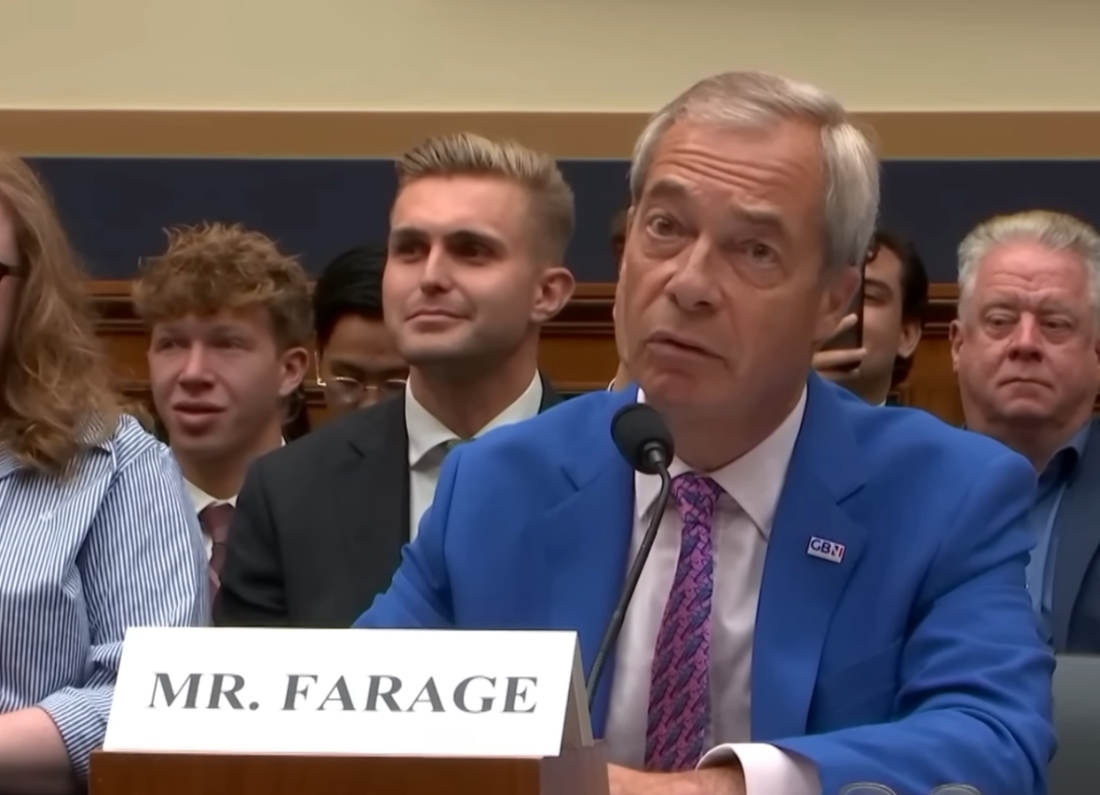
He argued that Nigel Farage and Conservative leader Kemi Badenoch would otherwise present any closer relationship as an attempt to disregard the 2016 result.
Burnham has previously said Brexit damaged Britain but argued that immediately reopening the membership question could revive old divisions.
The new polling creates a difficult balance for Labour. Most voters expressing a preference now support rejoining, but a large majority of original Leave voters remain opposed.
Polls consistently point towards rejoining
The latest figures are not an isolated result.
A Survation poll of more than 10,000 people previously found that 63 per cent of decided voters would support rejoining, against 37 per cent who would remain outside.
Separate research found that two-thirds of Britons believed Brexit had made the country’s major challenges harder to address.
The emerging picture is clear: if another referendum reproduced the simple in-or-out choice, the rejoin side would begin with a sizeable advantage.
Curtice’s warning is that the next campaign would not remain that simple for long.
Would you vote to rejoin?
2 responses to “61% would now rejoin the EU as John Curtice delivers warning to Labour”
-
We will not rejoin once the conditions are published, except the euro, open boarders and the massive membership fee. Brexit has not been realised because most politicians don’t want to be outside of Europe and have done nothing to get the benefit of being an independent country. Exit the ECHR so we make our own laws.
-
As we have seen by the disaster that is brexit, ‘joe public’ isn’t qualified to make those decisions, especially when they are made out of ignorance and prejudice. Politicians who have the benefit of economic and diplomatic advisors should do this. It’s their job.
Just rejoin, NO referendum! It’s better for the economy, trade, international cooperation etc., and will offer protection from tRump and Putin.









Leave a Reply