

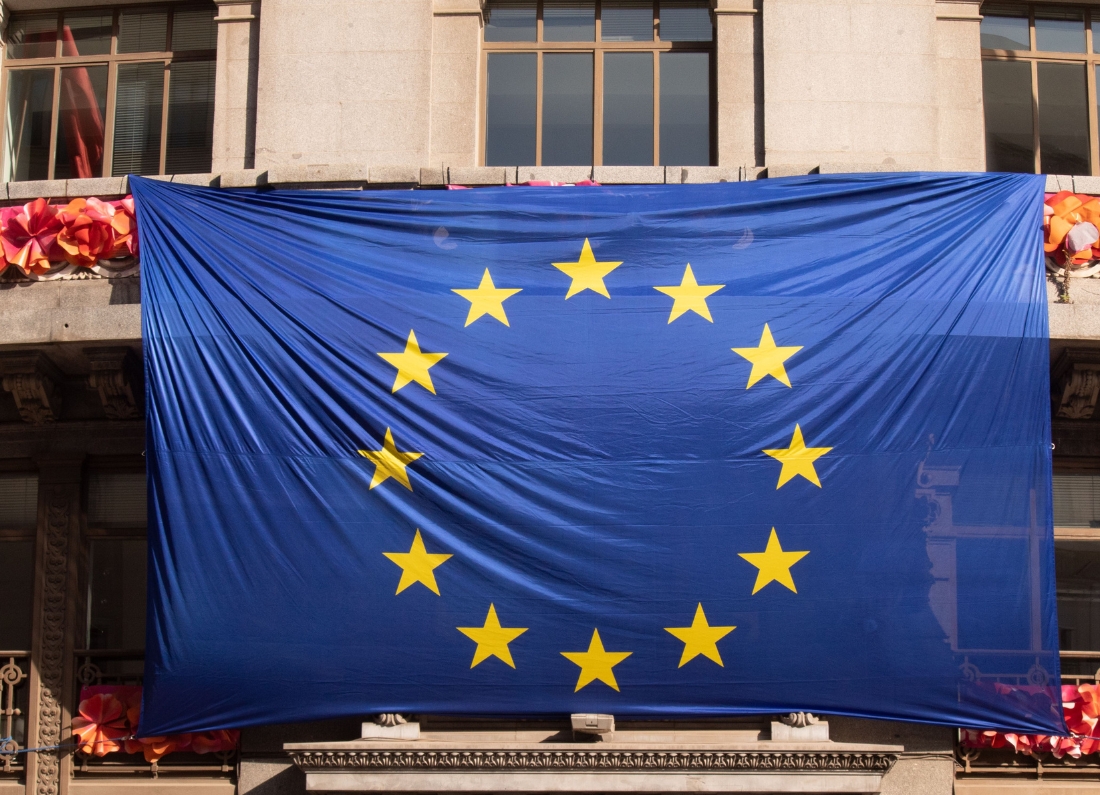
EU membership is the most popular option for Britain’s future relationship with Europe in 628 of Great Britain’s 632 parliamentary constituencies, according to a YouGov poll commissioned by Best for Britain.
Across the country, 35 per cent of respondents chose membership when asked what they most wanted the government to propose. That was almost twice the 18 per cent who chose closer ties within Labour’s current limits.
The constituency figure does not mean a majority in 628 seats backs rejoining. It means membership came first among seven possible answers, including “don’t know”. In 84 seats, the estimated support for membership exceeded all the other answers combined.
YouGov surveyed 11,927 people between 27 May and 11 June. It then used the responses to estimate results in every constituency in England, Scotland and Wales. Northern Ireland’s 18 seats were not included. The full findings and methodology have been published by Best for Britain.
Four seats where membership did not come first
In Ashfield, Clacton, Great Yarmouth and Boston and Skegness, “don’t know” was the leading answer. EU membership topped the list in every other seat.
Bristol Central had the highest estimated support for membership. Seven of the ten highest-ranking constituencies were in Scotland. Membership also led in every British nation and region, according to the poll.
The national results show how far apart the choices were. While 35 per cent picked EU membership and 18 per cent preferred closer ties within the government’s limits, 11 per cent wanted to loosen ties. Eight per cent favoured keeping the present relationship, six per cent chose the single market and five per cent the customs union. Another 16 per cent did not know.
Respondents could choose only one answer. The result shows membership leading a divided field of alternatives; it is not a prediction of a referendum result.
Labour voters favour membership over Burnham’s policy
Among current Labour supporters, 55 per cent chose EU membership. The figure was 56 per cent among Liberal Democrat supporters and 67 per cent among Green supporters. One in five Conservative supporters also picked membership.
Reform UK supporters gave a different answer. Their most popular choice was to loosen ties further, selected by 35 per cent, while 23 per cent preferred closer ties within the government’s current limits.
The poll arrives as Prime Minister Andy Burnham seeks another agreement with Brussels while ruling out a return to the EU, single market or customs union. Meeting Irish taoiseach Micheál Martin on Friday, Burnham said he wanted a “stronger and closer” relationship and looked ahead to a UK–EU summit later this year.
In Burnham’s own Makerfield constituency, membership led the poll’s estimates on 29 per cent. “Don’t know” followed on 24 per cent. A government spokesperson said ministers were building “an ambitious, close relationship with the EU” to strengthen the economy.
Tom Brufatto, Best for Britain’s policy and research director, said the results offered politicians a “roadmap to galvanise their support”. Liberal Democrat MP Christine Jardine called Brexit “a massive economic mistake”. Their political conclusions go further than the question YouGov put to voters, but the gap between Labour’s policy and the preference of its own supporters is clear in the results.
The findings follow separate polling reported by The Daily Britain in which 57 per cent described Brexit as more of a failure than a success. Polling expert Sir John Curtice has also pointed to a sustained lead for rejoining when voters are asked a direct choice between membership and staying out.
Those polls ask different questions. YouGov’s latest survey gives voters several possible relationships with Europe, including Burnham’s preferred approach. Membership still finishes first in almost every constituency. Labour’s leadership must now decide how far it is willing to take its promised reset.







Leave a Reply