


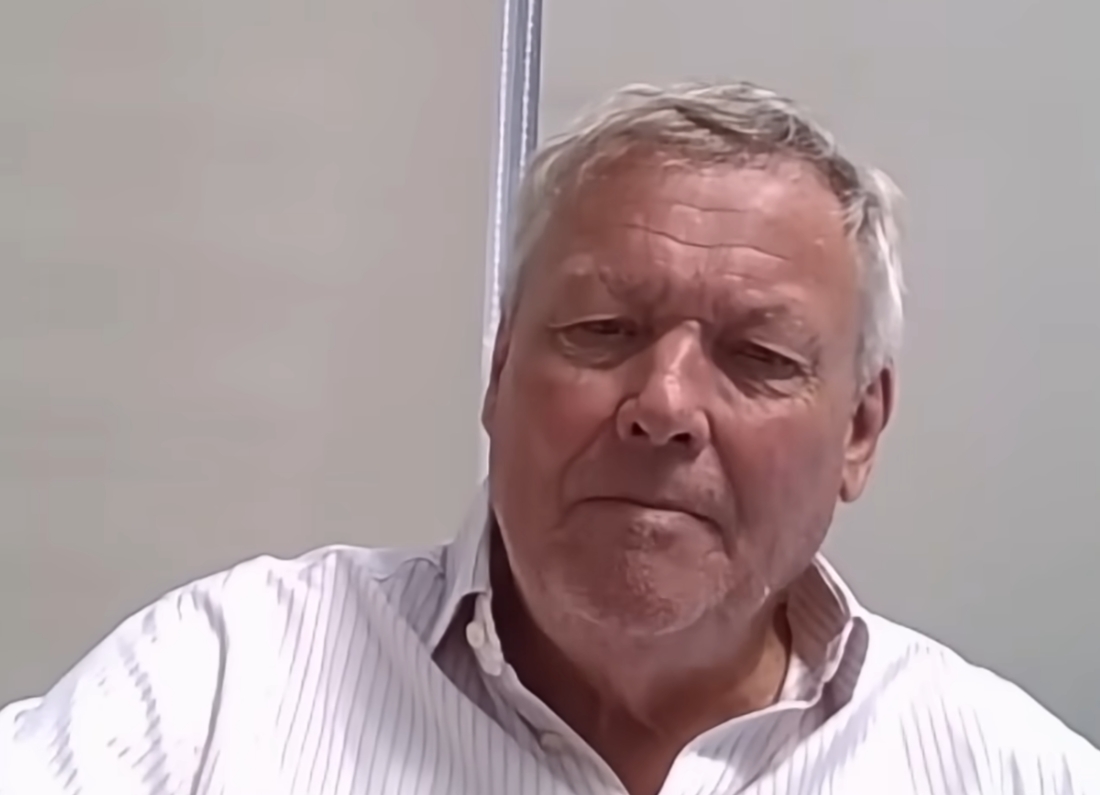
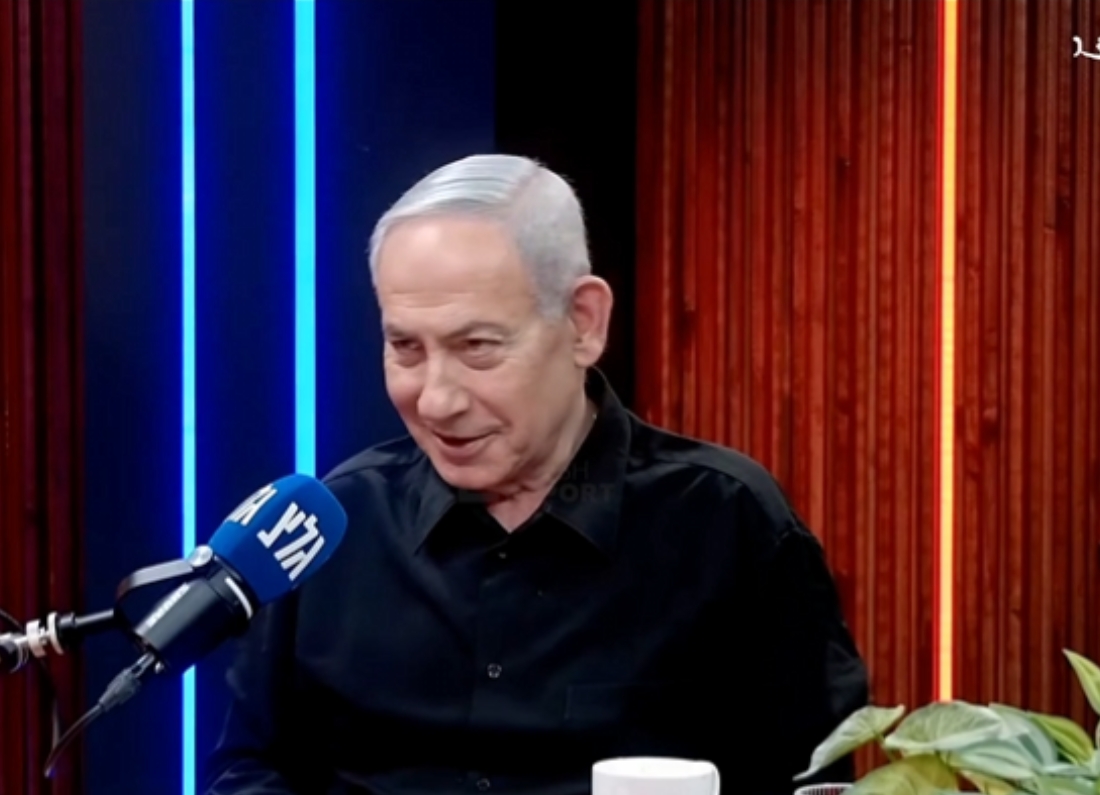
Ten years after the Brexit referendum, Channel 4’s FourSight sat down with Lord Matthew Elliott, the former chief executive of Vote Leave, to put the campaign’s central promises to the man who ran it. The interview, released as a companion piece to the programme’s Brexit anniversary documentary, produced one of the more uncomfortable exchanges of the anniversary coverage, and a wave of viewer reaction that was almost uniformly hostile.
The £350m question
The most pointed exchange concerned the infamous claim, printed on the side of the Vote Leave campaign bus, that Britain sent £350m a week to the EU which could instead be spent on the NHS. That figure was fact-checked at the time and found to be closer to £100m once the UK’s rebate was accounted for.
Elliott’s defence in his new book is that by 2019, before Britain had actually left the EU, the government was already giving the NHS an extra £350m a week. The interviewer pressed him on the obvious problem with this: “We hadn’t left the EU. So we had that money anyway to use. It’s political willpower, isn’t it? It’s not Brexit.” Elliott’s response was simply: “I’m not quite sure where you go with this.”
It’s a fair question to be unsure about, because the logic of his own defence undermines the original campaign claim. If the money was available in 2019 without having left the EU, then the argument that leaving the EU was necessary to “get” that money for the NHS collapses on its own terms. YouTube commenters made exactly this point repeatedly, with one summarising: “The money wasn’t there until we put it on the side of a bus. What else is there to understand?”
Trade deals and the small businesses left behind
Elliott’s central statistical claim was that UK trade has grown faster over the past decade than any country in the world except Canada, according to OECD figures, and that UK-EU trade is now higher than it was before Brexit. When challenged with specific examples, a Dover haulage company owner struggling with new red tape, a Welsh mussel farmer who lost his business entirely due to new export barriers, Elliott’s response was to acknowledge these were “one or two case studies” while insisting the aggregate picture was positive.
The Centre for European Reform’s analysis, which found Brexit had cut trade in almost every sector of the UK economy, including a 29% fall in agrifood exports and a 39% fall in travel exports, sits awkwardly against Elliott’s headline trade growth figure. Aggregate trade growth and sector-specific collapse are not mutually exclusive, and the framing choice, which one to lead with, says a great deal about how differently the same decade can be described depending on where you’re standing. For a haulier in Dover or a mussel farmer in Wales, the aggregate OECD trade statistic offers little comfort.
What was the vote actually about?
The most substantive section of the interview concerned what people were actually voting for in 2016. Elliott was pressed repeatedly on whether the referendum was about reducing immigration numbers or about political control of immigration policy, an increasingly important distinction given that net migration hit record highs in the years after Brexit before recently falling.
Elliott’s answer was that sovereignty and control, not specific numbers, were the top motivating factor according to post-referendum polling. But when asked directly whether he was concerned that immigration has since become the dominant framing of Brexit’s legacy, he said: “I don’t recognise that as an analysis,” a response that sits uneasily against the current political landscape, in which Reform UK’s entire platform is built around immigration numbers and net migration hitting record highs before recently falling 48% has itself become a major political flashpoint, with Reform’s own immigration spokesman complaining that too many people are now leaving.
Distancing Brexit from Reform and Restore Britain
Elliott was also asked directly about Dominic Cummings, his former Vote Leave colleague, who is now supporting Rupert Lowe’s Restore Britain and its platform of mass deportation and burka bans. Elliott’s response was to describe the rise of Reform and Restore Britain as “a very separate issue to Brexit,” part of a broader global pattern of populism visible in France, Germany and the United States, rooted in slow growth since the 2008 financial crisis rather than anything specific to Brexit itself.
This is a difficult position to sustain given how directly the current fracturing of the British right traces back to unresolved arguments from the Brexit years. Lord Heseltine has separately argued that Farage, Johnson and Gove should “hang their heads in shame” for what he called the Brexit “con,” a framing that suggests at least some senior Conservative figures see a much more direct causal line between the referendum and today’s political turmoil than Elliott is willing to acknowledge.
No regrets
Asked directly whether he had any regrets about the campaign, Elliott said no, though he did identify one tactical missed opportunity: the weekend immediately following the referendum result, when David Cameron’s resignation shifted media attention from the substance of Brexit to the Conservative leadership contest, a moment Elliott believes Vote Leave should have used to make a more positive public case for what Brexit could deliver.
On accountability, his framing was that Brexit restored a direct line between voters and the politicians responsible for immigration and economic outcomes, rather than diffusing that responsibility into Brussels. He pointed to the 2024 election, in which the Conservatives were “roundly beaten,” as evidence that this accountability mechanism works exactly as intended, voters punished the party in charge for outcomes they disliked.
The reaction
The response beneath the interview was overwhelmingly critical. Commenters accused Elliott of dodging direct questions, called the interview under-prepared, and repeatedly referenced his 2022 peerage, awarded by Liz Truss in her resignation honours list. One widely liked comment summarised the broader frustration: “I am genuinely astounded that, even after 10 years, Brexit’s most vocal supporters still lack any awareness of their own total inability to articulate any benefits.”
Multiple commenters identified as small business owners directly affected by post-Brexit trade barriers, including one who said their company, a previous Queen’s Award winner for export growth, had been unable to sustain EU trade after new paperwork requirements were introduced. Others raised Elliott’s past involvement with Conservative Friends of Russia, a connection that has periodically resurfaced in discussions of Vote Leave’s funding and organisational links.
The anniversary context
Survation’s mega poll this week found 63% would now vote to rejoin the EU, a 26-point margin representing a 30-point swing from the original result. A separate poll found two-thirds of Britons believe Brexit has made every major issue they care about worse. Against that backdrop, Elliott’s insistence that he remains “very happy” with the outcome, and his prediction that the next general election will effectively be a rerun of the Brexit referendum, places him increasingly at odds with where public opinion has moved over the past decade.
Whether that rerun happens through Labour, the Liberal Democrats and the Greens coalescing around a rejoin position, as Elliott himself predicted in the interview, or through continued drift and avoidance from all major parties, is one of the central unresolved questions of British politics as the tenth anniversary passes.







Leave a Reply