

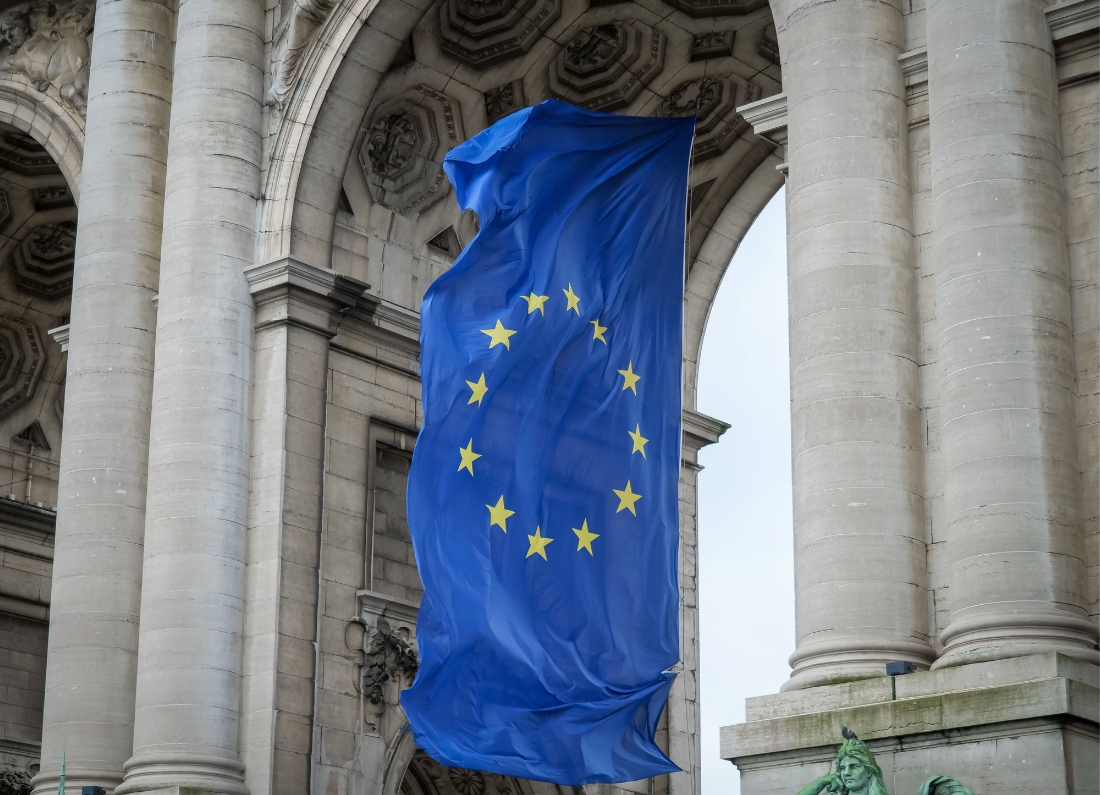
Britain wants a deeper relationship with the EU while still ruling out the single market, customs union or freedom of movement, according to Hamish Falconer, the minister now leading post-Brexit negotiations.
Falconer, appointed after Burnham took over, told the Guardian the UK’s made some progress repairing ties with Brussels but needs actual results now. “I would want a deeper relationship, a more ambitious relationship with the EU.”
He named services as one area worth pushing on, the sector makes up most of the UK economy but got comparatively little protection under Johnson’s original Brexit deal. Future talks could cover recognising professional qualifications, short-term business travel, and barriers facing British financial, legal, digital and creative firms operating in Europe. Falconer also wants closer cooperation on defence, security and technology, areas where Britain already works extensively with European governments outside the EU’s formal structures.
The red lines haven’t actually moved
None of this amounts to reversing Brexit. Falconer repeated Labour’s existing commitment: no rejoining the single market or customs union, no restoring freedom of movement. Those limits sharply cap what kind of deal is realistically on offer. The EU has consistently refused to let non-members cherry-pick single market benefits while skipping its wider rules, so any real improvement in market access will likely require some degree of regulatory alignment and European oversight.
Falconer acknowledged the technical negotiations ahead will be difficult, but framed the wider relationship in warmer terms, contrasting his previous work negotiating with the Taliban to talks in Brussels, describing the EU as a group of friends Britain shares values and security interests with.
The government’s picking up negotiations inherited from Starmer’s administration, which had already slowed before he left office over unresolved disputes on youth mobility, university tuition fees, and the scope of a proposed veterinary agreement. A planned UK-EU summit was postponed too. A rearranged meeting could happen in autumn, giving Falconer his first real chance to show whether Burnham’s arrival has actually changed the substance of these talks, not just the tone.
No referendum coming
Burnham’s repeatedly called Brexit damaging, but has also ruled out launching an immediate campaign to rejoin. Back in May, before becoming PM, he said he respected the referendum result and didn’t want to drag the country back into the post-2016 arguments. Reuters reported he wasn’t proposing rejoining despite his own personal support for closer European ties.
His government’s instead focused on agreements it thinks can produce visible economic and practical benefits without another referendum. Falconer’s said negotiations should pass Burnham’s “Makerfield test,” meaning any deal needs benefits that are actually explicable to working communities rather than being treated as an abstract diplomatic win. That could mean fewer barriers for exporters, easier travel for professionals, better access to European research programmes, deeper defence procurement cooperation. Whether any of that’s achievable while keeping every red line intact remains genuinely uncertain.
A much bigger proposal has also reached Downing Street
Burnham’s reportedly been shown a considerably more ambitious plan from former Conservative MP Nick Boles: a European confederation linking economic cooperation with defence commitments, where Britain extends aspects of its military and nuclear protection across a wider group of European countries in exchange for renewed access to the EU single market for goods.
The proposal has reportedly been seen by senior officials, including national security adviser Jonathan Powell, but it isn’t government policy. It would also need agreement from European governments, who may not want to separate goods market access from the EU’s rules on services, capital and freedom of movement. Falconer’s own comments were far more cautious than this, no promise of single-market membership, just improving the existing relationship where both sides have genuine shared interest.
Services will be the first real test
The focus on services matters because Brexit’s economic damage isn’t confined to manufacturing or border delays anymore. Recent analysis found UK trade has declined across most sectors since leaving the single market, with financial services exports among those hit, and firms across several professional industries facing new restrictions on travel, qualifications and access to European clients.
Researchers at the Centre for European Reform have concluded that joining a customs union alone would only repair a limited share of the economic damage, since most of the biggest barriers now stem from leaving the single market itself, not the customs union. That leaves Burnham with a genuinely difficult balance. A modest reset might clear up some administrative headaches without transforming Britain’s trading position. A bigger agreement would need decisions on regulation, mobility and European jurisdiction that Labour’s avoided so far.
Public opinion’s also shifted since the referendum, recent polling shows a clear lead for rejoining in a hypothetical vote, though the government’s given no sign it intends to offer one. For now, Burnham’s approach is moving Britain closer to Europe without making EU membership itself the live political question.
Falconer’s appointment and language suggest a government wanting more than the limited reset Starmer attempted. The real measure of that ambition is whatever deal actually gets agreed while Britain keeps refusing the main conditions Brussels usually attaches to deeper economic integration. The next UK-EU summit should be the first real sign of how much room either side genuinely thinks there is to move.
One response to “Burnham government promises deeper EU relationship while keeping Brexit red lines”
-
Freedom of movement offers young people in particular countless conomic, social, cultural and linguistic opportunities which are life enhancing.
These opportunities need to be restored.








Leave a Reply