

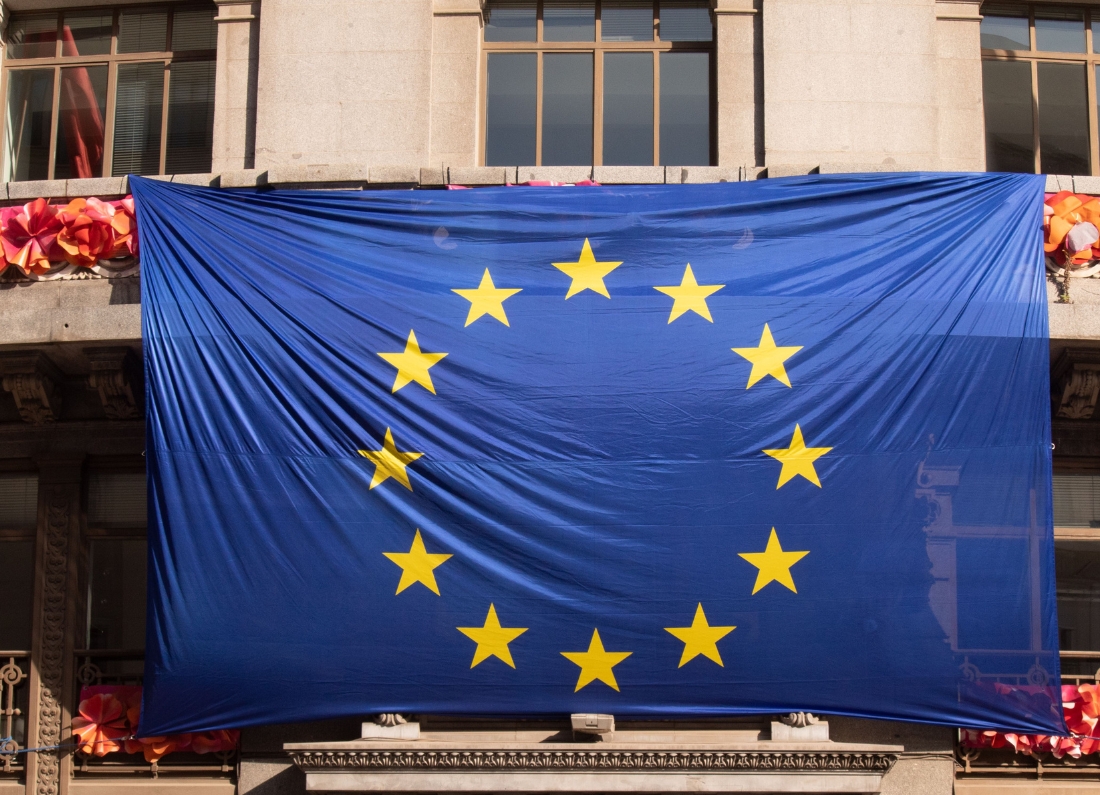
The generation that was too young to vote in the 2016 Brexit referendum has delivered its verdict – and it is emphatic. New polling by More in Common, shared exclusively with the Guardian, finds that 60% of Britons aged 18 to 28 would vote to rejoin the European Union if given the chance, compared with just 9% who would vote to stay out.
Among those likely to actually cast a ballot in a hypothetical second referendum, the margin is even starker: 81% pro-rejoin to 19% against. Half of all Gen Z Britons categorise Brexit as a failure. Only 16% consider it a success.
The generation Brexit left out
The 2016 referendum was decided by a margin of 51.9% to 48.1% – a result carried disproportionately by older voters. Those now aged 18 to 28 were between six and 18 at the time, largely or entirely locked out of a vote that would define the country they grew up in.
Luke Tryl, executive director of More in Common, said Brexit was “formative to their political coming of age.” He added: “In focus groups, many in this age group say Brexit was the first political event they were vividly aware of – too young to vote, but with distinct memories of that campaign and the years of debate that followed. Ten years on, our polling reveals how they feel: they tend to believe it has failed, and three in five want a fresh referendum on rejoining.”
The hostility is sharpest among the youngest in the cohort. Among 18 to 21-year-olds – who were only six to nine in 2016 – 53% call Brexit a failure and just 12% a success. Among older Gen Zers aged 25 to 28, the numbers soften slightly but remain negative: 48% failure to 20% success.
Politicians ruined it – or it was never going to work
Interestingly, young Britons are divided on whether Brexit was doomed by design or by execution. Around 37% believe it could have worked but was “ruined by politicians” who handled it badly. A further 29% argue it was “never going to work” from the start. Only 11% maintain that it has worked well so far.
Tryl noted the tension this creates: “While young Britons mostly support rejoining in principle, focus group conversations suggest they’re hesitant about a return to the endless Brexit debates they remember from their youth – which risks distracting from the issues they care most about: the cost of living, affordable housing, jobs and climate change.”
That hesitancy has a political parallel. David Lammy refused five times on Sky News to say whether the UK should rejoin the EU as Labour’s internal Brexit divisions broke into the open during the leadership race. The gap between where young voters are and where the political class is willing to go remains significant.
The demographics of the Leave majority
The polling lands alongside a growing body of analysis suggesting the pro-Brexit majority that won in 2016 has, through natural population change, effectively ceased to exist. Pollster Peter Kellner has argued that more than six million Britons who voted in 2016 have since died – and because older voters backed Leave by large margins (64% of over-65s), those deaths have disproportionately eroded the Leave coalition. Office for National Statistics data published in the Financial Times suggests roughly 15% of original Leave voters have died, compared with 10% of Remain voters.
At the same time, around six million young people who were ineligible in 2016 have aged into the electorate. A separate Ipsos poll found half of all Britons now want a second referendum – including a quarter of those who originally voted Leave. YouGov polling has found nearly two-thirds of Britons would vote to rejoin in a new referendum.
What the last decade has shown
The More in Common polling arrives as the economic verdict on Brexit hardens. New Centre for European Reform research found Brexit has cut trade in almost every sector of the economy. A former Goldman Sachs chief economist described it as “a colossal economic shock” causing more permanent damage than the worst global energy crisis since the 1970s. A separate ECFR poll found two-thirds of Britons believe Brexit has made every major issue they care about worse – including cost of living, economic growth, trade and immigration.
Michel Barnier said this week that the UK could retain the pound and stay outside Schengen if it rejoined, calling it “perfectly possible” given precedents already set. The civil servant who led Britain’s EU exit is now calling for a public rejoin debate.
The political question
Three in five young Britons – 62% – say there should be a referendum on rejoining within the next five years. Only 11% of under-29s oppose holding one. Among those who want to rejoin, 88% back a new ballot.
Whether any mainstream political party will offer one is another matter entirely. Andy Burnham, the new Labour leader and prime minister-in-waiting, has said he wants the UK back in the EU within his lifetime but has pledged not to “re-run” the Brexit arguments. The polling suggests the generation that never got to vote the first time around is not prepared to wait indefinitely for the second.










Leave a Reply