

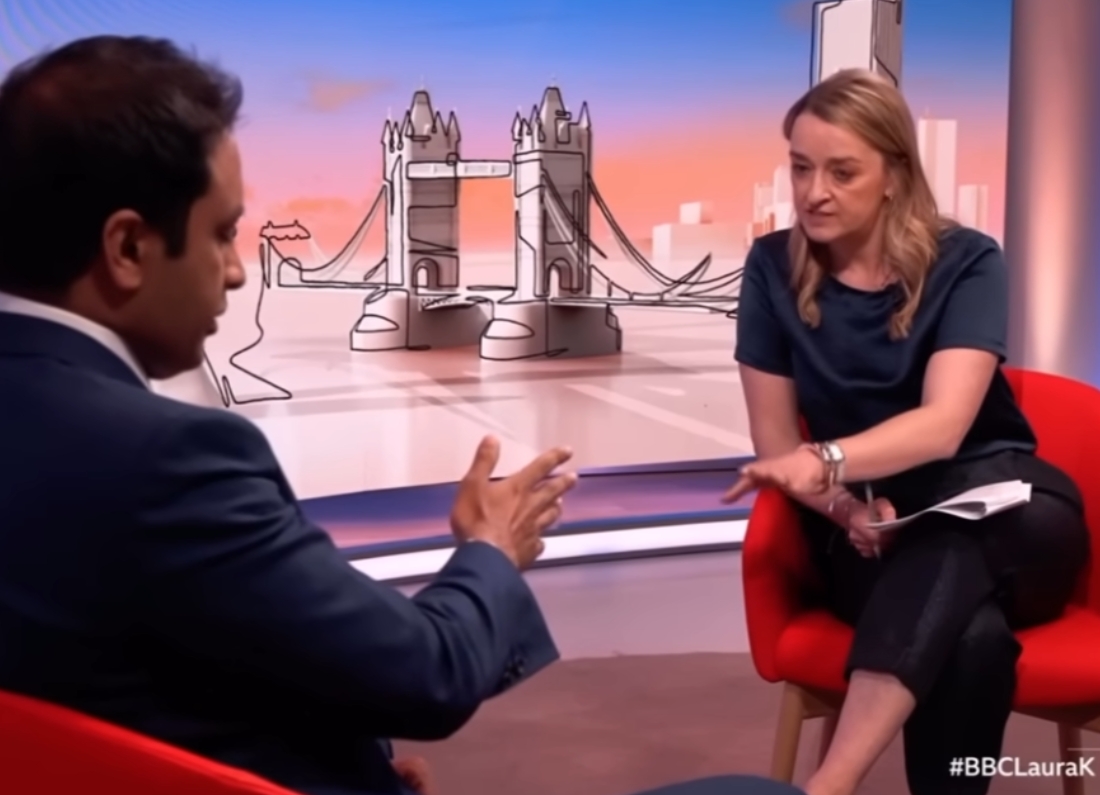
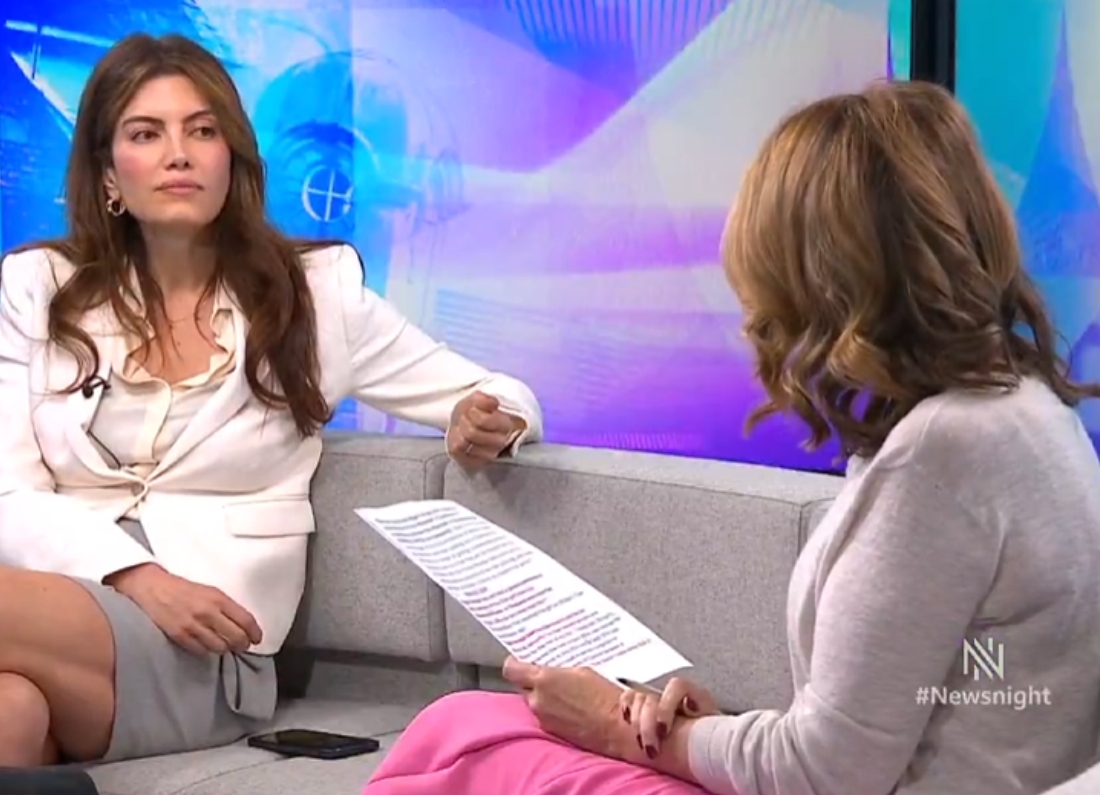
Zia Yusuf, Reform’s self-described Shadow Home Secretary – he is not an MP, and Reform are not the official opposition – appeared on Laura Kuenssberg’s Sunday Morning programme on the BBC to defend the party’s response to the murder of Henry Nowak. He cancelled a scheduled appearance on GB News to do it, which is notable given that Nigel Farage, the leader of the party whose response was the subject of the interview, was nowhere to be seen. Kuenssberg asked Yusuf four times, in different formulations, what was more important to Reform – making their political argument or respecting the wishes of the Nowak family. Yusuf’s answer, each time: “Respecting the family’s wishes, which is what we’ve done.”
This answer has a specific problem. Henry Nowak’s father called for calm and explicitly asked that his son’s death not be used to create division. Farage recorded his “emergency address” calling for “pure cold rage” less than 24 hours later. Reform did not make contact with the family until the Thursday – two days after the emergency address. That weekend, the family reiterated publicly that their position had not changed: they did not want Henry’s death used to create division. None of this is consistent with Yusuf’s central claim.
The interview’s central exchange
Kuenssberg’s question was put directly and put repeatedly. “What was more important to you as a party – making that political argument that you believe in, or respecting the wishes of the family? When they clearly said do not turn this into a big political argument.”
Yusuf’s approach throughout was to answer a different question. He provided context about the body cam footage. He described Henry’s last words. He cited the police race action plan. He said white lives matter just as much as black lives. Each time Kuenssberg returned to her question, he gave it the same answer and then continued talking about something else.
“Respecting the family’s wishes, which is what we’ve done,” he said. “Because there is nothing more divisive than two-tier policing.”
The exchange that followed was the specific contradiction at the heart of the interview. Kuenssberg pointed out that it wasn’t until Thursday that anyone from Reform reached out to the Nowak family – two full days after Farage made what he called an emergency address. Yusuf’s response: “I am not going to comment on confidential and private conversations that Nigel Farage, our party leader, has. That would be inappropriate.”
The question was not about the content of a conversation. It was about whether one took place at all, and when. Yusuf had just said Reform’s priority was respecting the family’s wishes. The family had called for calm on Tuesday. Farage made his emergency address on Wednesday. Reform reached out on Thursday.
What Yusuf actually argued
The argument Yusuf was making, beneath the “respecting the family” framing, was a specific one about policing. He cited Hampshire police’s race action plan – brought in under the Conservative government in 2023 – which he said explicitly requires officers to “prioritize offenses that cause most harm to ethnic minorities” and not treat everyone the same.
“When the family of Henry Nowak called Hampshire police and said that Henry had been racist to the murderer Vickrum Digwa, the police turned up and there was zero burden of proof for that claim because they moved almost immediately to handcuff a man who was bleeding out,” he said. “If you tell police officers there will be zero tolerance for any form of racism and you must prioritize the concerns of ethnic minorities and do not treat everybody the same – those are direct quotes from the guidelines – then the logical conclusion is what you saw in the body cam.”
Kuenssberg pushed back on the specific claim. “What is your evidence that this awful killing was a direct result of the advice to police officers? How do you know that what happened in those terrible moments was a result of what you say is anti-white racism rather than just police incompetence?”
Yusuf: “A mistake would imply that the police were not complying with the guidance that they had been given.”
This is a logical structure that deserves examination. The police race action plan tells officers to think about equality of outcomes and the specific experiences of minoritised communities. Yusuf’s argument is that this guidance caused the officers to take a false allegation of racism seriously and disbelieve the dying man’s statement that he’d been stabbed. The evidence he offers for this causal link is the existence of the guidance itself.
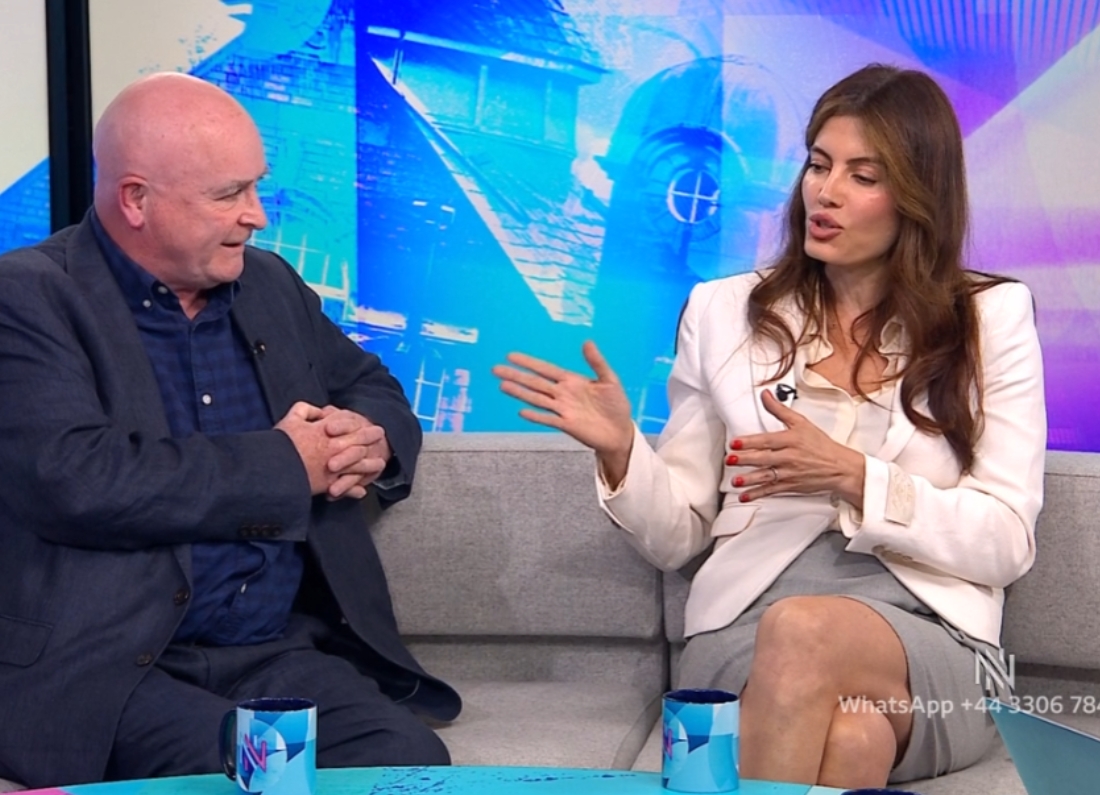
As we reported in our Leroy Logan/Newsnight panel piece, the former Metropolitan Police superintendent offered a different analysis: that the specific failure at the scene – not recognising Henry’s internal bleeding, which was not visible externally – was a police training failure, not an ideological one. As we reported in our Electoral Dysfunction piece, Beth Rigby noted that Henry was bleeding into his chest cavity, not outwardly, which was a specific and documented medical fact about why the officers may not have immediately identified the severity of his injury.
Yusuf’s analysis requires that you accept the officers were following anti-white-racism guidelines rather than failing to recognise internal bleeding. He presented the guideline as evidence of the cause. Kuenssberg asked him for evidence linking the guideline to what happened at the scene. He cited the guideline again.
Institutional racism – the other direction
Kuenssberg asked Yusuf directly whether he believed the police were institutionally racist. His answer: “I think the correct answer to that has to be yes, given literally on their website it tells people not to treat people the same.”
He then made a specific acknowledgment: “Some people put to me, as somebody who’s an ethnic minority, oh, but there are examples of police racism against ethnic minorities. Of course there are such examples. But I put it to you – if not a single one of those examples is in compliance with the police code of conduct, that’s different.”
This argument concedes the existence of police racism against ethnic minorities while claiming it is non-systemic because it violates guidelines. It simultaneously argues that the guidelines themselves constitute systemic anti-white racism. It is a position that requires the evidence of racist policing against minorities to be interpreted as isolated individual failure while the evidence of guidelines designed to address that racism is interpreted as structural intent.
As we reported in our common sense and Labour piece, this is the specific architecture of Reform’s political argument: present contested and evidence-free interpretations as self-evident common sense, and frame disagreement as political suppression of legitimate concerns.
Farage’s absence
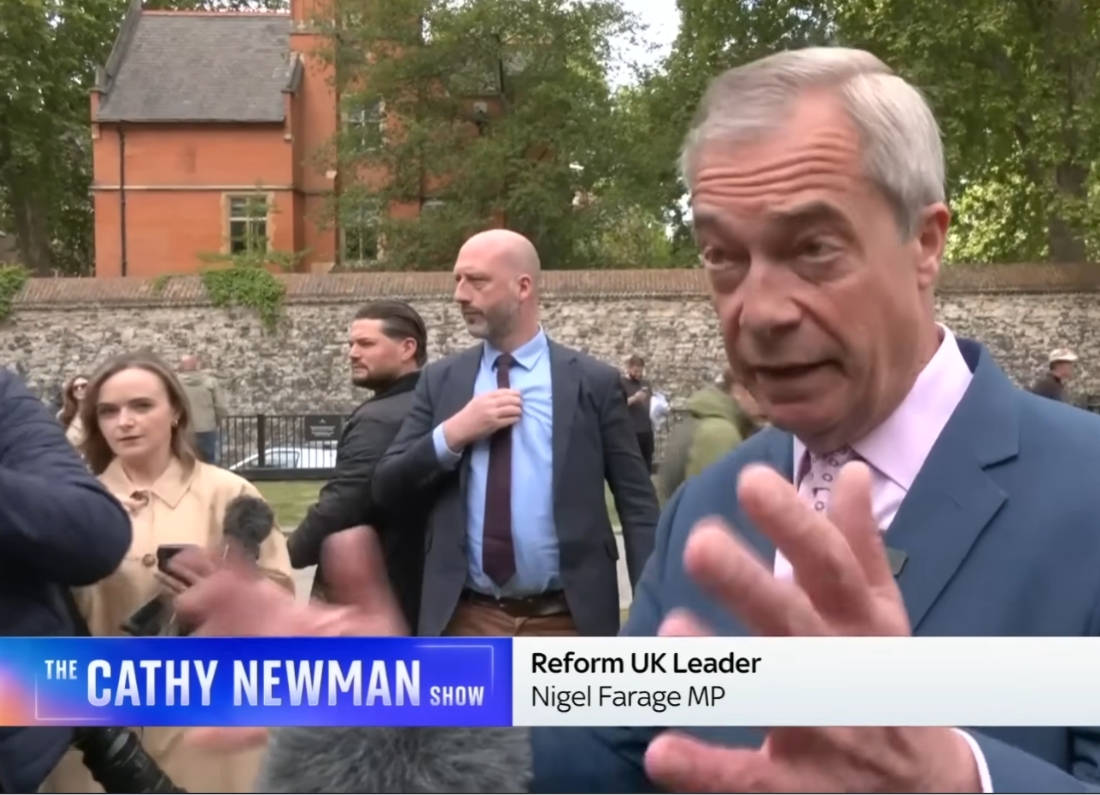
The subtext of the interview was the question Yusuf was there to avoid being asked: where is Nigel Farage? As the source material notes, Farage has been in “virtual self-isolation to avoid scrutiny over his financial affairs.” He was not available for the programme on which his party’s response to the Nowak case was the primary subject. He cancelled nothing and appeared nowhere. His Shadow Home Secretary, who is not a shadow anything in constitutional terms, went instead.
As we reported in our Farage attendance and voting piece, Farage has missed 77 consecutive parliamentary votes, is ranked in the bottom 8% of all MPs by voting record, and has the worst attendance of any Reform MP. He apparently has not held a Clacton constituency surgery since July 2024. When faced with a question he would prefer not to answer, he is reliably unavailable.
Yusuf, to his credit, is at least willing to sit in the chair. Whether what he says in the chair is accurate is a separate question – and on the central claim of this interview, the documentary record is not on his side.


Leave a Reply