

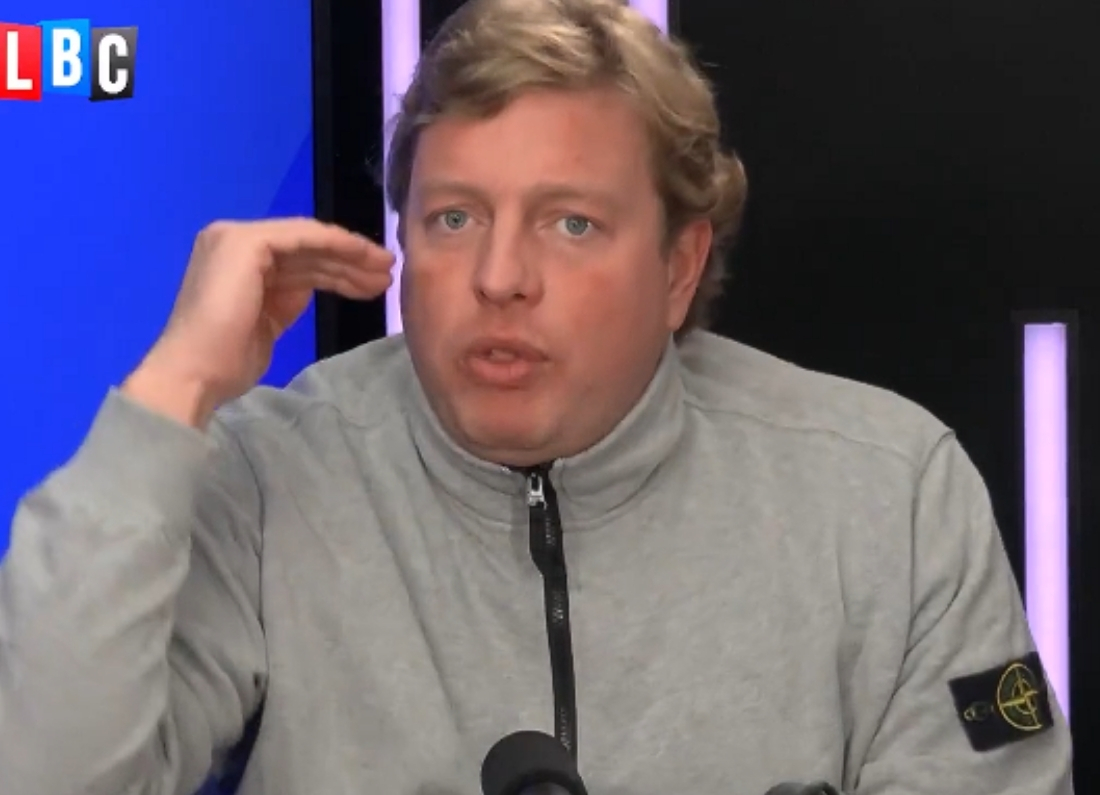
Tom Skinner has endorsed Reform UK and Nigel Farage after criticising “career politicians” and arguing that mainstream parties no longer understand day-to-day financial pressure.
The former Apprentice finalist and social media personality said in an interview on LBC that the people in charge “aren’t people who know what it’s like not to have the rent money at the end of the month”. He also claimed many politicians “don’t know how to run a business” and described much of the political class as “career politicians”.
📣 What Skinner said on air
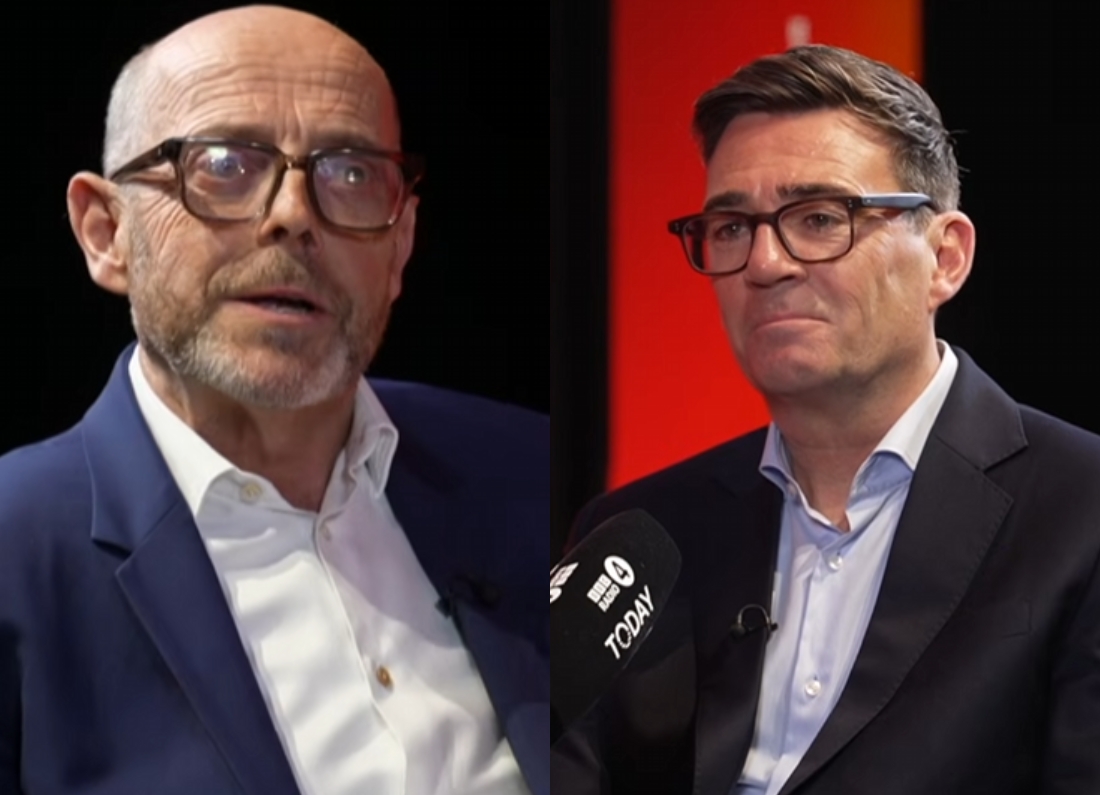
Skinner’s endorsement came during a live exchange with presenter Tom Swarbrick, who challenged him on the apparent contradiction in criticising career politicians while backing a figure who has spent decades in public life. In the clip shared by LBC, Skinner responds by framing his support as a pragmatic choice, saying Farage is “better than Labour” and that, in his view, “there’s no other choice” for voters unhappy with the direction of the country.
The interview quickly circulated online, with clips and transcripts spreading across social platforms. Supporters of Skinner argued that he was voicing frustration shared by many voters who feel Westminster politics is disconnected from everyday life. Critics focused on the mismatch between the complaint and the endorsement, pointing out that Farage’s background does not align with the financial struggle described.
📺 From reality TV fame to political endorsement
Skinner became widely known after his appearance on The Apprentice, building an online audience with motivational posts and short videos. In recent months, however, his content has also leaned into themes around crime, safety and nostalgia, with repeated claims that London has become less safe and that Britain has lost something of its past.
While he has frequently suggested he is not seeking a political role, his output has increasingly overlapped with political talking points, and his LBC appearance marked his clearest statement yet about how he would vote.
🍔 The Vance meeting and growing scrutiny
The endorsement follows increased attention on Skinner’s contacts with prominent right-leaning figures. He drew headlines in 2025 after posting about meeting JD Vance during the US politician’s UK visit, describing the evening as a friendly social occasion.
At the time, Skinner presented the encounter as personal rather than political. Even so, the meeting intensified scrutiny of his public positioning, particularly as his online messaging shifted towards topics that sit closer to party political debate.
📱 Reaction online focuses on the contradiction
Social media reaction to Skinner’s endorsement was immediate and largely unsurprised, with much of the criticism targeting the logic of attacking “career politicians” before supporting Farage.
Some posts mocked the predictability of the move. Others repeated Skinner’s own line about politicians not understanding rent money, then contrasted it with Farage’s background. A further strand of reaction suggested the endorsement could be a prelude to something more formal, with commenters speculating that Skinner could eventually campaign or stand as a candidate.
Here are some of the best:
1.
2.
3.
Those reactions are not evidence of wider public opinion on their own, but they do show that the framing of the endorsement is likely to remain the central point of contention, rather than the endorsement itself.
🧭 What Reform gains and what Skinner risks
For Reform, endorsements from high-profile online personalities can widen reach beyond the usual political audience and generate coverage that parties cannot buy. For Skinner, attaching himself to a party leader shifts how audiences interpret everything else he posts, because political endorsements reduce the space to claim neutrality.
Skinner has not announced any formal role in the party and there is no indication that he is standing for office. But by stating how he would vote “if there was an election tomorrow”, he has moved from political signalling to explicit alignment, and that tends to have consequences for public figures whose brand was built on being relatable and non-partisan.
If he continues to comment regularly on party politics, the key question will be whether he can retain the broad appeal that made him popular in the first place, or whether his audience narrows to people who already share his worldview.
You may also like: Reform slips to lowest poll rating since April despite remaining ahead




Leave a Reply