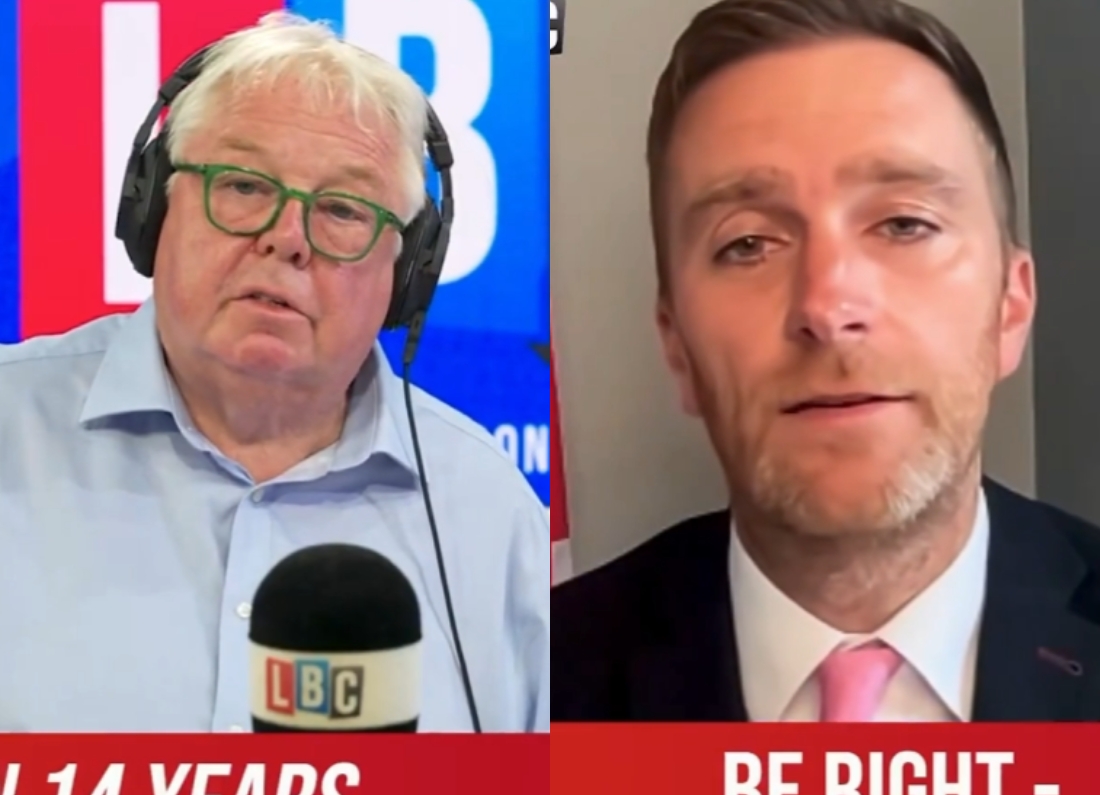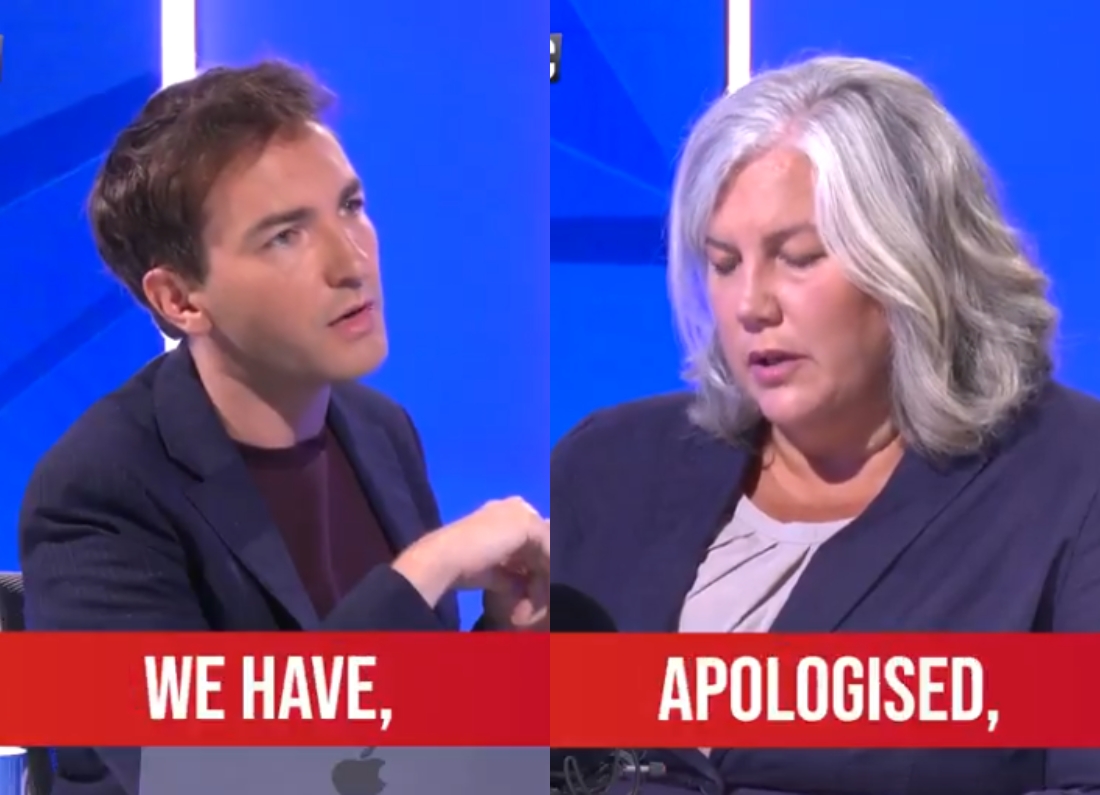
LBC presenter Lewis Goodall has delivered one of the sharpest political interventions of the week, challenging Labour transport secretary Heidi Alexander after she claimed Green Party leader Zack Polanski was “not fit to be leading a political party” – by asking whether appointing a close friend of Jeffrey Epstein to one of Britain’s most prestigious diplomatic posts was by the same standard equally disqualifying.
The exchange, which took place on LBC, crystallised a double standard that has been building throughout the week, as Labour ministers deployed Polanski’s hasty retweet about police conduct at the Golders Green arrest as evidence of unfitness for office – while simultaneously defending a prime minister whose own record of judgement over Mandelson is far more extensively documented.
What Alexander said
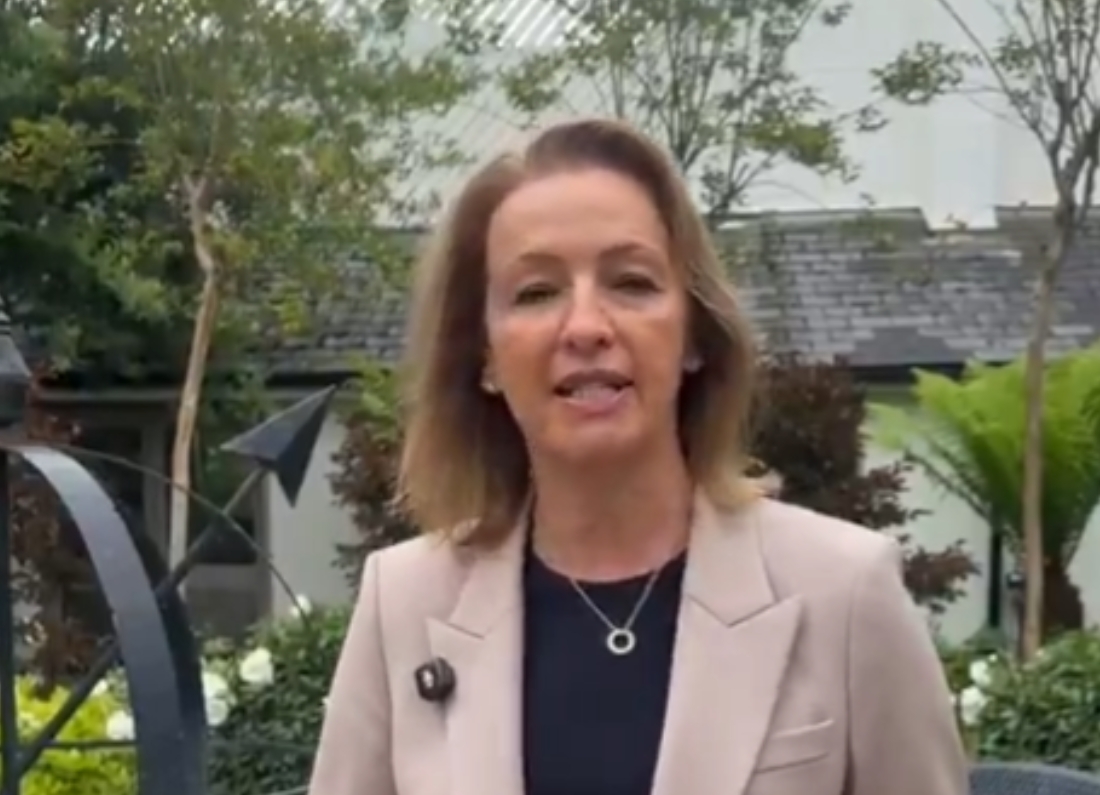
Speaking to multiple broadcasters on Sunday, Alexander was asked about Polanski’s decision to share a social media post suggesting the Metropolitan Police had been too heavy-handed in their response to the Golders Green suspect. Polanski has since issued an apology for “sharing a tweet in haste,” acknowledging it was an error of judgement.
Alexander said: “I do think someone who is so quick to jump to their phone to be retweeting that kind of content is not really fit to be leading a political party in this country.”
The Metropolitan Police commissioner Mark Rowley had publicly criticised Polanski for the retweet, saying it was “inaccurate and misinformed” and would have “a chilling effect” on officers. Polanski subsequently apologised.
What Goodall asked
Goodall did not let the standard Alexander had set pass without examination. He asked, directly: “So tweeting something stupid is disqualifying for leading a party – but appointing a friend of one of the worst paedophiles of our age to one of the most prestigious diplomatic posts we have is not disqualifying?”
The question is not a trap or a rhetorical trick. It applies the same standard Alexander had just invoked for Polanski to the Prime Minister whose government she serves. A hasty retweet, quickly acknowledged and apologised for, versus the deliberate appointment – sustained over months and defended publicly against growing evidence – of Peter Mandelson as UK ambassador to the United States despite widely reported information about his friendship with Jeffrey Epstein.
Alexander’s response was: “We’ve had weeks of discussions about Peter Mandelson. The prime minister has said he made a mistake and he’s apologised for that. I’ve never seen our prime minister criticise the Metropolitan Police who were doing an incredibly brave job.”
She added, when pressed again on the Mandelson question: “Based on information he and his staff weren’t given – he was effectively lied to about the nature of the relationship between Peter Mandelson and Jeffrey Epstein.”
Why that defence has a specific problem
The claim that Starmer was “effectively lied to” about the depth of the Mandelson-Epstein relationship faces a specific factual complication that Goodall alluded to.
The Financial Times reported on Mandelson’s relationship with Jeffrey Epstein in 2023 – more than a year before Mandelson was seriously considered for the Washington ambassadorship. That reporting was publicly available. It was not hidden. It was precisely the kind of information that a prime minister appointing someone to the single most important diplomatic role Britain has to offer might have been expected to read.
Starmer’s own former chief of staff Morgan McSweeney acknowledged in his Foreign Affairs Committee evidence that he did not feel he received the “full truth” from Mandelson when he questioned him about his Epstein links before the appointment. McSweeney described discovering the depth of the relationship as “a knife through my soul.” The due diligence report given to Starmer before the appointment – based on publicly available material including the FT reporting – flagged Mandelson’s Epstein links as a significant reputational risk.
Starmer proceeded regardless.
The wider context
Alexander’s characterisation of Polanski as “not fit to lead a political party” is a significant escalation. It goes considerably further than criticising a specific decision or calling for an apology. It is a direct challenge to the democratic legitimacy of the most popular opposition leader in the country – a man who is the only Jewish leader of a major British political party and who had explicitly condemned the Golders Green attack in the clearest possible terms before the retweet became an issue.
The contrast between the government’s treatment of Polanski’s error and its treatment of Starmer’s is visible across multiple dimensions. Polanski retweeted a post and apologised within days. Starmer appointed Mandelson, defended the appointment publicly for months, was still defending it when the Guardian’s investigation broke, and has faced a formal parliamentary standards investigation over whether he misled the House in the process.
The standard Alexander invoked on Sunday – that a quick, hasty error on social media is disqualifying for leadership – is not one that Starmer’s own record on the most serious crisis of his premiership would survive.
Goodall’s question made that visible. Alexander did not answer it.
What Polanski said
In his original retweet of footage from the Golders Green arrest, Polanski shared content that suggested officers had been unnecessarily violent toward the suspect. He subsequently apologised, saying he had shared it “in haste” and acknowledged it was an error. The Green Party leader said he “knows it was a very difficult situation for the authorities.”
Polanski has been consistent throughout the Golders Green week in condemning the antisemitic attack, visiting the community and speaking about his own daily experience of antisemitic abuse as Britain’s only Jewish party leader. His error was a retweet made quickly in a fast-moving situation. His response was an apology.
Whether that constitutes unfitness for office is a judgement that voters rather than government ministers are typically understood to make – particularly when those ministers are themselves members of a government whose leader is facing a parliamentary standards investigation for allegedly misleading the House of Commons.
You may also like: ‘Using the pain of the Jewish community’: Polanski accuses government of exploiting Golders Green attack to restrict protest rights