

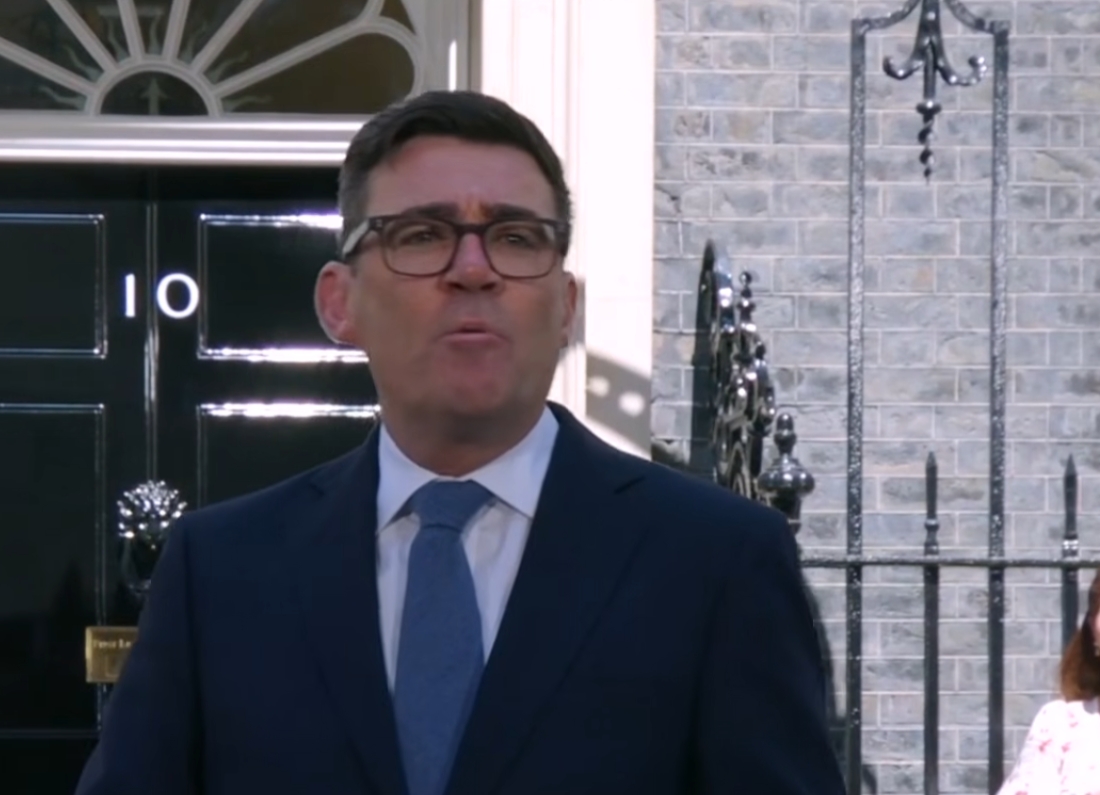
Gary Lineker has put his name to an open letter, alongside more than 100 other British-based millionaires, telling Andy Burnham to go ahead and tax extreme wealth harder.
The former England striker and broadcaster is part of a group of wealthy public figures, businesspeople and investors making a fairly unusual request of a prime minister: “We want you to tax us. We can afford it.” Other names on the letter include Love Actually screenwriter Richard Curtis, crime novelist Val McDermid, musician Brian Eno and former City trader turned inequality campaigner Gary Stevenson.
The whole thing’s been organised by Patriotic Millionaires UK, a group pushing for a tax system that leans more heavily on people whose fortunes sit in accumulated assets rather than salaries. It lands at a genuinely awkward moment for Burnham, who’s already fielding questions about how his new government plans to pay for all the cost-of-living measures it’s announced in its first few days.
‘We can afford it’
The letter draws a clear line between taxing what people earn and taxing what the very wealthiest already hold. “We’re not talking about higher taxes on those who get up and go to work for their income every day, but on the very richest whose income is derived from the wealth they hold,” the signatories wrote.
They call themselves a “patriotic bunch” who want Britain to succeed, and argue paying more would be their own contribution to rebuilding public services and cutting inequality. “As we embrace this new road, please consider taxing us properly as our contribution to it,” the letter goes on. “We love this country. It’s time for a better Britain. It’s time for everyone here to feel Great Britain. It’s time to tax us, the super rich.”
Lineker said Britain’s richest people can afford to give more, especially with so many ordinary households already stretched thin on energy, food, housing and transport costs. “Paying your fair share is a basic British value, but so many ordinary people are already paying more than they can afford,” he said. “Our richest people can do more and most want to. To live up to our national values, our new government must raise taxes on extreme levels of wealth for a fairer, better, more hopeful Britain.”
Burnham hasn’t ruled it out
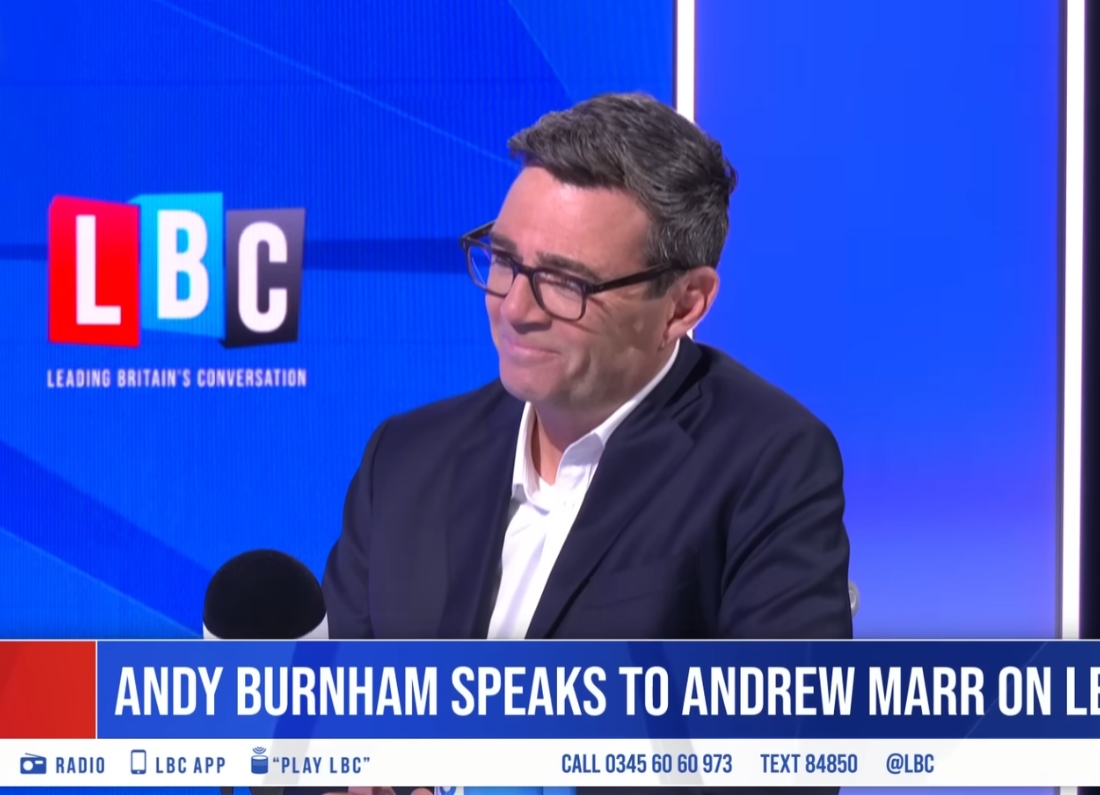
The timing here almost certainly isn’t a coincidence. Before he entered Downing Street, Burnham wouldn’t rule out some version of a wealth tax. In an interview with Lineker himself, he acknowledged the government might eventually need to “ask for a little more” from certain taxpayers, and said there was room within Labour’s manifesto to move on tax policy, without committing to any specific plan.
Burnham has been trying to build his early premiership around the cost of living. His government has already scrapped VAT on household electricity bills, expected to cut roughly £45 off the energy price cap from October, and restored the £2 cap on most single bus journeys outside London, reversing the £3 cap brought in under the previous government.
Those moves have gone down well as immediate relief for households. They’ve also put real pressure on the Treasury to explain how any of this actually gets paid for beyond the short term. The electricity VAT cut alone is expected to cost around £850m in 2026-27, initially covered by scrapping the planned national digital ID scheme, previously projected to cost £1.8bn over three years. That answers the question for this financial year. It doesn’t answer where the money comes from permanently, that’s expected to be sorted out in the upcoming Budget.
What would this actually look like?
There isn’t one single, agreed version of “a wealth tax.” Patriotic Millionaires UK’s own proposal would apply a 2% annual levy on wealth above £10m, which campaigners reckon could raise around £24bn a year, though the real figure would depend a lot on which assets are covered, what’s exempted, and how people respond. The £24bn estimate assumes basically everything counts, property, pensions, privately owned businesses included. The Institute for Government points out that tweaking any of those assumptions could shift that total considerably. Campaigners also want capital gains tax brought closer in line with income tax, which they say could raise another £12bn on its own.
Julia Davies, from Patriotic Millionaires UK, framed Burnham’s arrival as a genuine opening. “This is a fresh opportunity for our country,” she said. “A chance for the prime minister to help rebalance power, reduce the shocking levels of wealth inequality which intensify the cost-of-living crisis, and raise much-needed revenue for our public services. We millionaires are here to be taxed more and we urge our new PM to grab this opportunity with both hands and tax our wealth.”
A narrower version could still raise billions
A separate proposal published this week sets the bar much higher. Economists Gabriel Zucman and Ben Tippet have suggested a 2% minimum tax on households worth more than £100m, with any income tax already paid credited against the bill rather than stacked on top. Their analysis puts the potential haul at £10.4bn in 2026, hitting fewer than 1,000 households. They’d also keep people liable for up to 10 years after leaving the UK, specifically to stop anyone moving abroad purely to dodge it.
The academics argue a narrower tax like this would actually be simpler to run, since HMRC would only need to assess a relatively small number of households, putting administrative costs at under 1% of what’s actually raised, according to their King’s College London research. It’s a meaningfully different proposal from the £10m threshold Patriotic Millionaires backs, fewer people, less revenue, but supporters think the tighter scope sidesteps a lot of the headaches around valuing illiquid assets and family businesses.
The argument Burnham eventually has to settle
Opponents will make the usual case: a wealth tax risks scaring off investment, pushing wealthy residents abroad, or forcing owners of valuable but cash-poor businesses to sell assets just to cover the bill. Supporters say all of that can be managed with careful design, exit rules, and payment arrangements for people whose wealth is tied up in businesses rather than sitting in cash.
Conservative shadow chancellor Mel Stride has already accused Burnham’s government of announcing spending and tax commitments without properly explaining how they’ll be funded. That line gets harder to answer every time another cost-of-living policy lands without a wider fiscal plan attached.
What Lineker’s letter gives Burnham is a genuinely useful political response: some of the people who’d actually be paying more are the ones publicly asking him to do it. That doesn’t magically solve the practical questions around a wealth tax, and 100 wealthy signatories can’t speak for every millionaire in the country. But it does undercut the standard assumption that anyone trying to tax accumulated wealth will face unanimous resistance from the people it hits.
Burnham has promised quick relief while also talking in bigger terms about rebuilding public services and redistributing power. Doing both properly is going to take a lot more money than can be found by cancelling a digital ID scheme or shuffling funds between departments.
The real question now is whether he takes Lineker and the other millionaires up on the offer, or decides that taxing people who’ve actually volunteered to pay more is still more trouble than it’s worth politically.





Leave a Reply