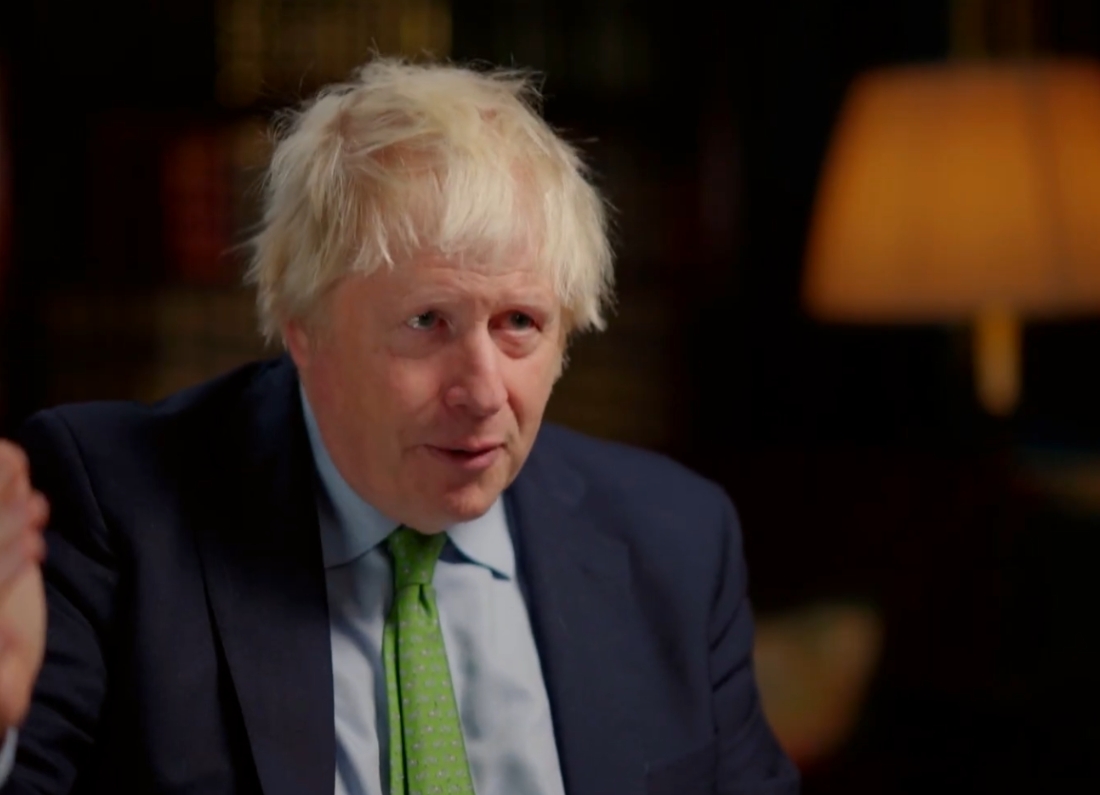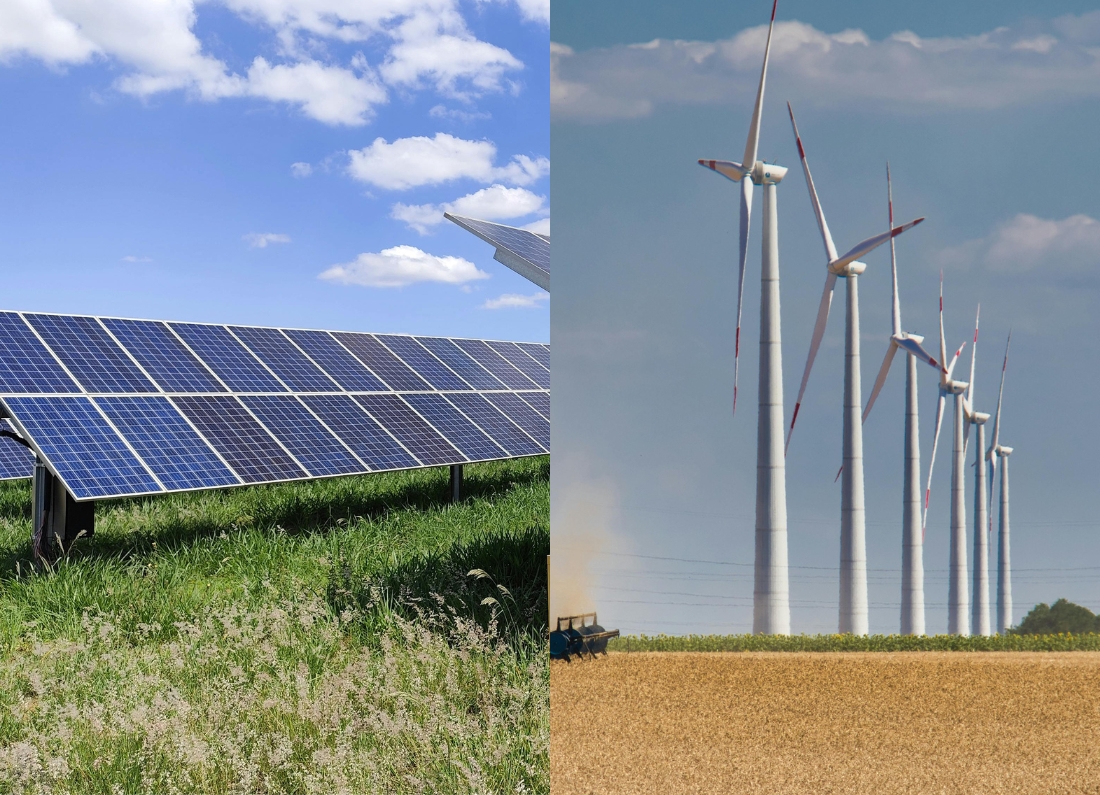
New research commissioned by the Energy and Climate Intelligence Unit and conducted by CBI Economics has found that the UK’s net zero economy is worth more than £100 billion annually, employs more than 1.1 million people at wages 11% above the national average, and has an estimated £455 billion of investment in the pipeline – at precisely the moment that Tony Blair, Reform UK and the Conservative Party are calling for the country’s net zero targets to be scrapped and a return to fossil fuel development.
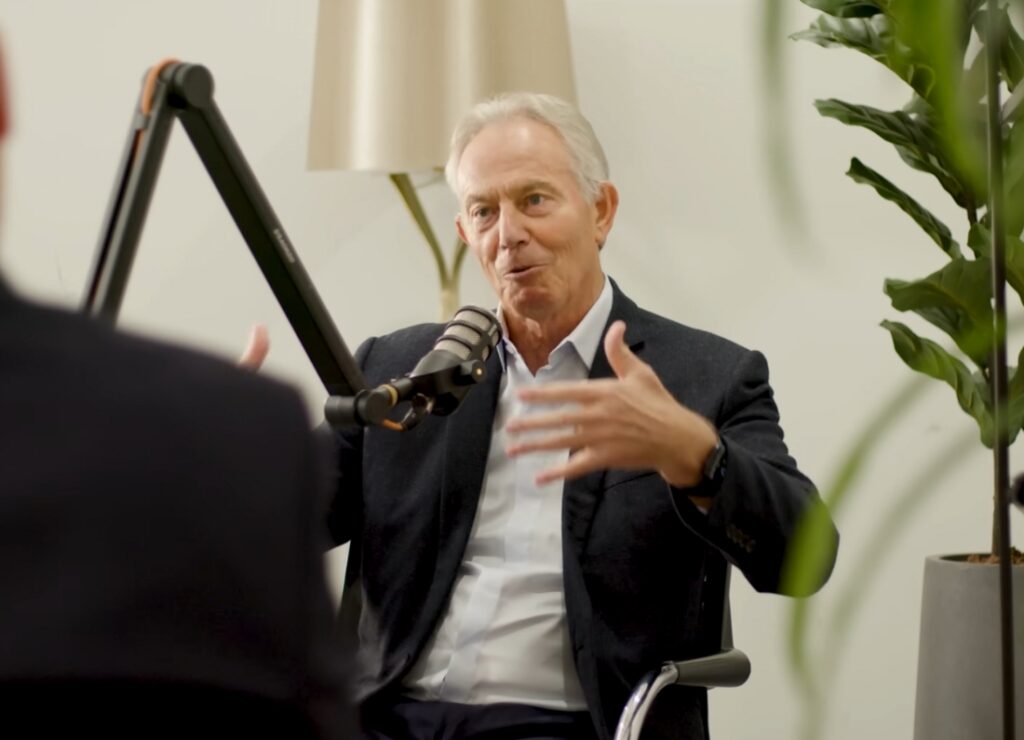
The findings arrive at a specific and consequential moment. As we reported in our Blair essay piece, Blair’s intervention this week called for abandoning net zero in favour of cheap energy and a push for North Sea fossil fuels – a prescription that James O’Brien described as “insane” and that the CBI research directly contradicts. The data is unambiguous: the green economy is not a future aspiration but a present reality generating jobs, investment and economic output across the whole country.
What the research found
The figures are substantial. About 308,000 people are employed directly in net zero businesses – solar panel installation, home insulation, wind turbine manufacturing and electric vehicles. When supply chains and related businesses are included, the total reaches 1.1 million jobs and accounts for £105 billion in gross value added – nearly 4% of the UK’s entire economic output.
Net zero workers earn an average of £43,000 per year – approximately 11% above the national average of £39,000 at a time when wage growth and productivity are central political battlegrounds. Each worker in the net zero economy generates nearly £120,000 a year for the wider economy – approximately one and a half times the national average for value added.
An estimated £455 billion of potential investment in energy infrastructure is in the pipeline, spurred by the government’s target of decarbonising the UK’s electricity supply by 2030 and its commitment to reaching net zero by 2050.
About 22,000 small businesses across the UK are engaged in activities connected to cutting greenhouse gas emissions and expanding renewable energy – distributing the economic benefits beyond major corporate players.
This is the fourth in a series of reports by the ECIU and CBI Economics. Previous findings have shown the net zero economy growing three times faster than the rest of the UK’s economy.
What the experts said
Louise Hellem, chief economist for the CBI, was direct about the implications of the political debate around net zero. “Clean power and decarbonisation are already a significant and growing part of the UK’s industrial base. The UK cannot afford to step back from an industry already contributing £100bn to the economy and with huge future growth potential.”
She framed the choice explicitly as an economic one rather than simply an environmental one: “At a time when the UK must strengthen energy security and drive growth, the net zero economy is becoming central to the country’s future competitiveness.”
Climate minister Katie White positioned the argument in terms of energy security: “As Britain faces another fossil fuel shock, the only way to shield households and businesses is by accelerating electrification and clean, homegrown power that we control. What businesses and communities are delivering across the country is a great British success story – bringing down costs, improving homes, supporting British industry with good skilled jobs whilst helping protect nature.”
Sandra Bell of Friends of the Earth was more blunt about those advocating the opposite: “The naysayers calling to dismantle climate action clearly don’t want what’s best for Britain or the millions of people struggling with the cost of living, otherwise they’d be pushing to reap these huge rewards. Instead, they’d prefer to keep us on the back foot in the global race to building a thriving green economy and locked into dying industries.”
The North Sea reality
The specific alternative that Blair and the right-wing parties propose – maintaining and expanding North Sea oil and gas production – is undermined by its own data. About 200,000 oil and gas jobs in the North Sea have been lost since 2013, despite government support and a favourable tax regime for most of that period. The basin is rapidly depleting and its output is in long-term structural decline regardless of policy choices.
The argument that expanding North Sea drilling would deliver the jobs and energy security that advocates promise runs directly into this trajectory. The industry has been declining for more than a decade with state support. The net zero economy, by contrast, is generating jobs, wages and investment at pace.
The political context
Reform UK and the Conservatives have both made scrapping net zero targets central to their economic platforms, as we reported in our Reform first year governance piece. Reform’s position is that net zero represents economic damage disguised as environmental virtue. The CBI research provides specific and documented evidence that this characterisation is incorrect.

Blair’s specific formulation – that Britain must “prioritise cheap energy over net zero” – is challenged by the wages data. Net zero workers are not poorly paid workers in precarious green jobs. They earn 11% above the national average. The industry they work in is growing three times faster than the broader economy. The £455 billion investment pipeline represents the kind of private sector confidence that Blair’s own “Radical Centre” prescription claims to want to attract.
The specific irony is that the economic case for net zero is now the pro-business, pro-growth, pro-investment case – and the case for abandoning it is being made by people who have positioned themselves as pro-business, pro-growth and pro-investment.
As the CBI’s chief economist put it: the UK cannot afford to step back from a £100 billion industry. The research was published this week. The political debate continues regardless.