

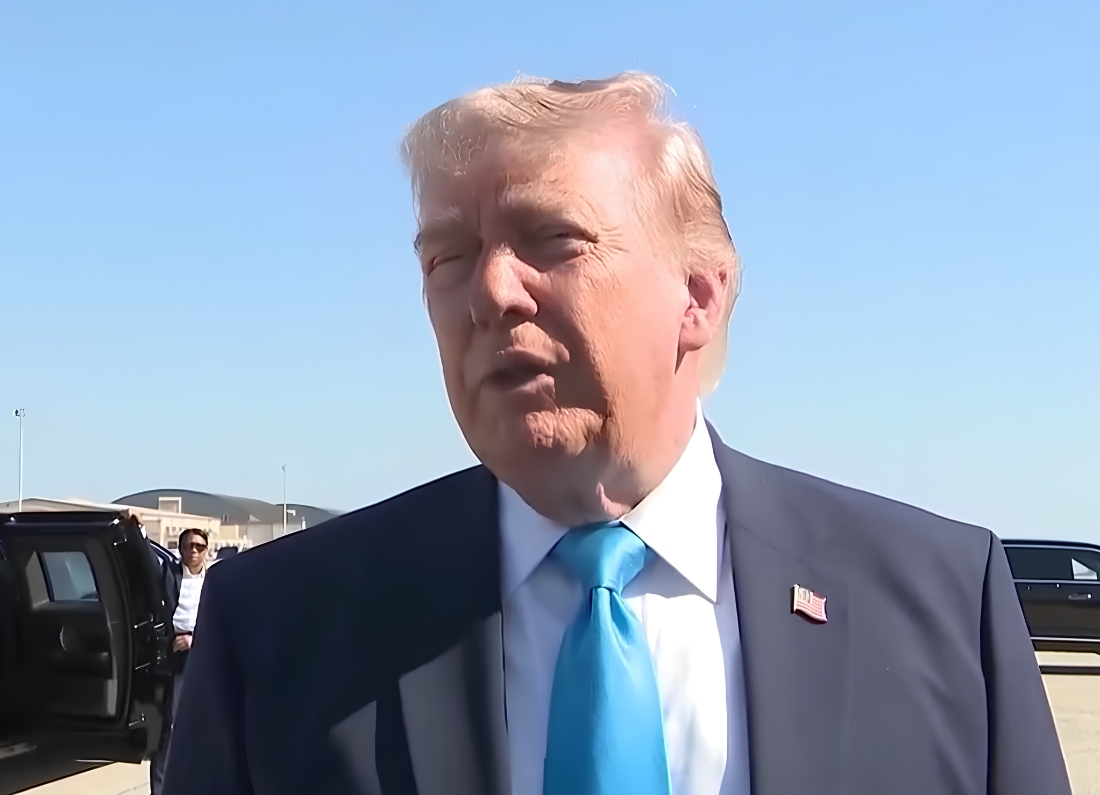
Donald Trump earned more than £30m from his two Scottish golf resorts last year, according to his latest financial disclosure, a substantial sum dwarfed by the more than $1.4bn he made from cryptocurrency ventures over the same period, an industry he has actively promoted while serving as president.
The 927-page annual filing for 2025, released by the US Office of Government Ethics, details the president’s extensive business interests. Trump Turnberry on the Ayrshire coast generated £23,640,577 in “hotel and golf related revenue,” while Trump International Golf Links in Aberdeenshire brought in £6,738,799. Both properties were valued at more than £38m each.
Where the real money came from
The golf income, substantial as it is, represents a small fraction of Trump’s total earnings for the year. According to the disclosure, he earned $635m (£480m) from the sale of souvenir-style “memecoins” bearing his image, on top of more than $520m (£393m) from World Liberty Financial, a crypto business he co-founded with his sons.
The $TRUMP memecoin, launched days before his inauguration, has not performed well for those who bought in early. Its value has plunged more than 97% since launch, from a peak of $75.35 in January 2025 to just $1.69. To encourage continued purchases, Trump has hosted special dinners for top investors, attended by well-known crypto entrepreneurs, one of which attracted protests.
The president also reported more than $80m (£60m) from settlements with media companies including ABC, CBS, Meta and YouTube, along with income from merchandise royalties covering everything from bibles to trainers to fragrances. Trump-branded watches alone brought in $4.7m (£3.5m).
The policy backdrop
What makes the crypto earnings notable is the timing relative to Trump’s policy actions. He has pursued an explicit goal of making America “the crypto capital of the world,” supporting the GENIUS Act, landmark legislation creating a regulatory framework for stablecoins, a category of cryptocurrency pegged to the US dollar. The law moved stablecoins out of a legal grey zone and into an established regulatory system, a change widely read as conferring legitimacy on the sector.
He also pardoned Changpeng Zhao, the founder of a major cryptocurrency exchange who had failed to maintain an effective anti-money laundering programme, and has pledged to create a strategic Bitcoin reserve on behalf of American taxpayers, though that policy has not yet materialised. His pro-crypto stance coincided with Bitcoin reaching an all-time high of $126,272 last October, though the currency has since fallen more than 50% from that peak.
Senator Elizabeth Warren has previously warned that Trump’s crypto activities represent a serious conflict of interest with national security implications. “Anyone, including the leaders of hostile nations, can covertly buy these coins, raising the spectre of uninhibited and untraceable foreign influence over the President of the United States,” she wrote in a letter last year.
No blind trust
Unlike previous presidents, Trump did not divest his assets or place them in a blind trust before taking office. His financial disclosure runs to 927 pages, compared with nine pages for Barack Obama’s final filing and 11 for Joe Biden’s. Douglas Brinkley, a history professor, told NBC News: “What strikes me as remarkable is how many pies Trump has his fingers in. There is no precedent to compare it with. No president in the 20th or 21st century has had something that’s vaguely comparable.”
Forbes had previously estimated Trump’s net worth at $6bn, up from $2.3bn in 2024, a jump substantially driven by the crypto earnings detailed in the new disclosure.
The White House response
A White House spokesperson dismissed any suggestion of conflict of interest. “Neither the president nor his family has ever engaged, or will ever engage, in conflicts of interest,” the statement read. “President Trump proudly made the United States the crypto capital of the world through executive actions, supporting legislation like the Genius Act, and other common sense policies to drive innovation and economic opportunity for all Americans. All actions by President Trump and his administration are taken in the best interest of the American people, and any so-called ‘reporters’ pushing otherwise are recycling the same, tired, false narrative that Democrats and the legacy media have been pushing for a decade.”
A separate statement from the Trump Organisation framed the scale of the disclosure itself as evidence of transparency: “At nearly 1,000 pages, it represents one of the most comprehensive financial disclosure reports ever submitted and demonstrates a level of financial transparency unmatched in presidential history.”
The UK angle
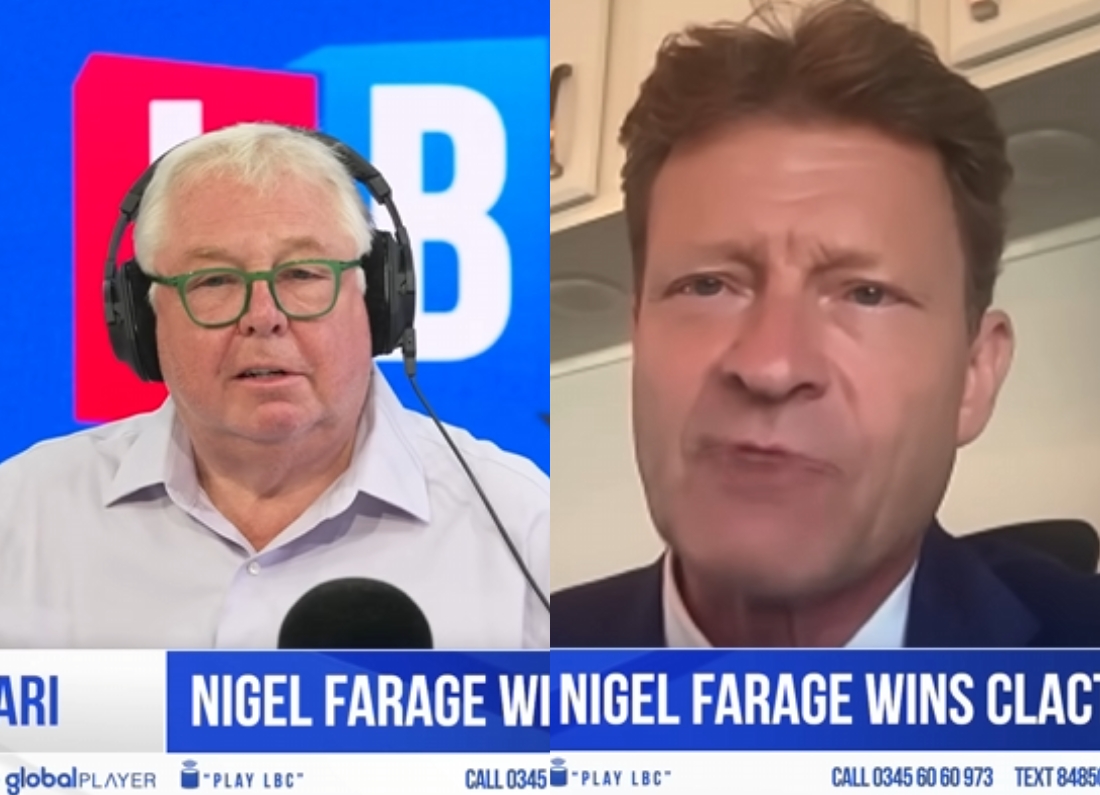
Trump’s willingness to blend the machinery of the presidency with his personal financial interests in crypto has an echo closer to home. Nigel Farage has faced an FCA referral over whether his public advocacy for the stablecoin Tether, conducted while receiving millions from a major Tether shareholder, constituted an undisclosed regulated financial promotion. Farage separately lobbied the Bank of England against a digital pound that would have threatened his donor’s stablecoin holdings. The pattern, a politician’s personal financial interests aligning closely with the policy positions they publicly champion, is one now playing out on both sides of the Atlantic, at very different scales but with strikingly similar underlying dynamics.







Leave a Reply