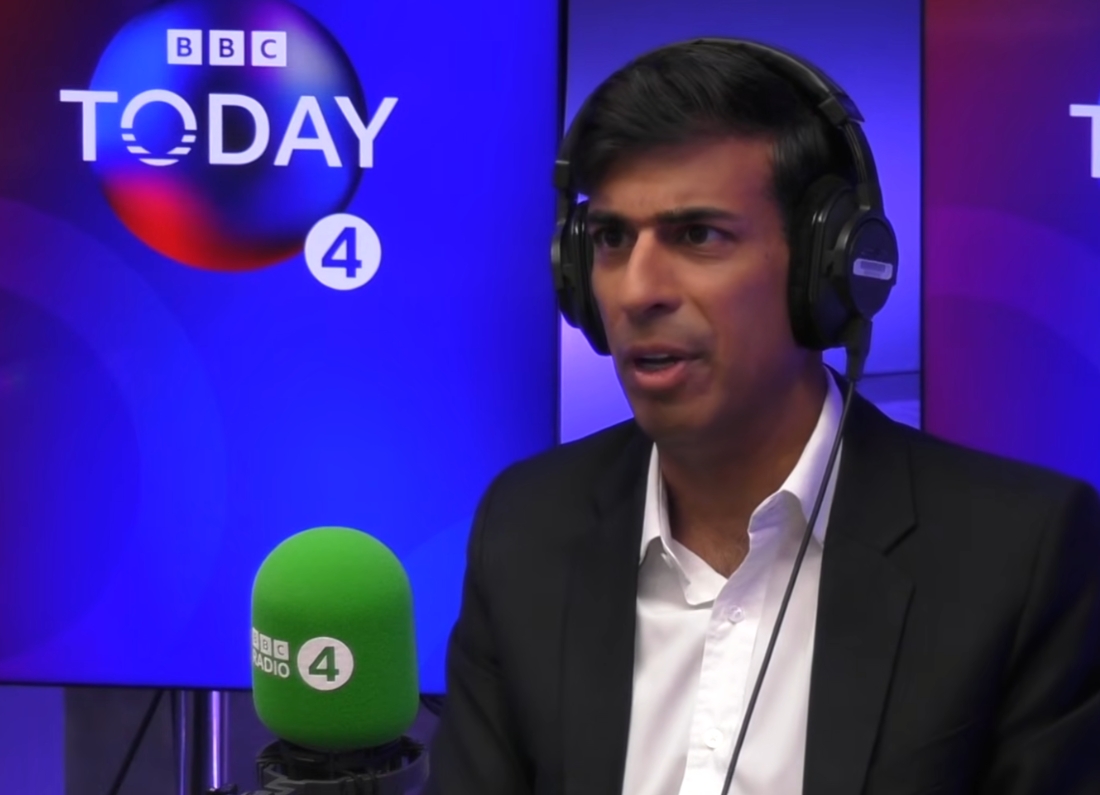
Rishi Sunak has said it would be “beneficial” for any new Labour leader to win their position through a proper leadership contest rather than be installed without one, reflecting on his own experience of entering Downing Street without a contest when Liz Truss resigned – and advising any future Prime Minister to “focus overwhelmingly on delivering economic growth” as the single biggest national priority.
Speaking on Radio 4’s Today programme, Sunak aligned himself broadly with Tony Blair’s diagnosis of the Labour leadership crisis while declining to take sides in it. He said that whoever leads the country must tackle “what I believe is the biggest challenge we face and that’s growth and the lack of strong economic growth which has been a problem for a while.”
The intervention comes as the Labour leadership contest takes shape around Andy Burnham and Wes Streeting, with a byelection in Makerfield on 18 June expected to determine whether Burnham can enter the race as we reported in our Burnham campaign launch piece.
The mandate argument – and Sunak’s self-reflection
Sunak’s position on leadership contests carries specific autobiographical weight. He became Prime Minister in October 2022 when Liz Truss resigned after 45 days in office – the shortest premiership in British history. He was installed without a membership vote after Boris Johnson withdrew from the contest and Penny Mordaunt failed to secure sufficient MP nominations.
The consequences of that arrangement were significant. Sunak entered Number 10 without a mandate from the Conservative membership, without a public manifesto for his leadership and without the specific authority that comes from a competitive contest. He was Prime Minister and then led his party to its worst electoral defeat in 200 years.
“My reflecting on my own experience,” he said on Today, “it is beneficial for the person if there is going to be a new person coming in that there is a contest and a debate about ideas so that they have a mandate. And this is more than just a personality contest.”
He added: “Having a debate about ideas and direction we want to take will give the person in charge a mandate from their party to go and deliver these quite difficult things.”
As we reported in our Labour leadership rules explainer, a Labour leadership contest requires 81 MP nominations to trigger and involves a full member vote following the parliamentary round. The process is considerably more democratic than the Conservative arrangement that produced Sunak’s own accession.
Growth above everything else
On substance, Sunak was clear about his single piece of advice to any incoming Prime Minister: “I would focus overwhelmingly on delivering economic growth. I think that is our single biggest priority as a country. Lots of our other challenges sit downstream from that.”
He argued that this required honesty with the public about difficult trade-offs. “Be honest with the country about our situation and the difficult choices we’re going to make. I think people are receptive to that argument if you show them where we can get to if we make those difficult choices.”
The trade-offs he identified mirror those at the centre of the Blair essay published this week, as we reported in our Blair essay piece: “the level of social protection, the level of government spending, the degree of regulation.” Blair used almost identical framing. Sunak agreed with Blair’s general direction while being careful not to endorse any specific candidate.
The checks and balances argument
Perhaps the most striking element of Sunak’s Today interview was his argument about the structure of British governance. He said the UK system had accumulated too many checks and balances over time – each well-intentioned individually, but collectively making it very hard for elected governments to act quickly.
“Over many years, we’ve put lots of checks and balances into our system of governing, all of which were well-intentioned individually, but over time have kind of formed together to make it very hard for the elected executive government to just get what they want to get done quickly,” he said.
“I think we need to have an honest debate as a country about rebalancing all of those checks and balances, so that actually the person we elect can just get on and do what they want to do quickly. And if we don’t like it, the best check on that is ultimately an election where we can change them.”
The argument for more executive power and fewer procedural constraints is a significant one from a former Prime Minister. The specific phrase “do what they want to do quickly” with elections as the primary accountability mechanism describes a substantial shift from Britain’s current constitutional arrangement toward a more presidential model of executive authority.
Sunak acknowledged that this would provoke concern about executive overreach but argued the current balance was wrong. “I think if we move the system more to one like that, I think people will be able to feel change more quickly. And that will be good for our democracy, actually.”
AI as the defining priority
Sunak returned to a theme he emphasised during his own premiership: artificial intelligence as a transformative force. “I do think technology, particularly artificial intelligence, is changing every aspect of our economy, our society, our lives. And if I was back in office, if I looked at my diary and where I was going to spend my time as Prime Minister, I would be spending it on that because I think it can help solve a lot of our problems.”
His alignment here with both Blair’s essay and Pope Leo XIV’s Magnifica Humanitas encyclical – as we reported in our Pope Leo AI piece – reflects the unusual cross-institutional consensus that AI represents the defining governance challenge of the current era. The difference is that where Leo called for AI to be “disarmed” and regulated, Sunak wants the incoming Prime Minister to spend their time harnessing it.
What this means for Labour
Sunak’s framing – leadership contest plus mandate plus growth focus plus executive power reform – is neither specifically helpful to Burnham nor to Streeting. Both candidates would claim to offer a mandate through a proper contest. Both have growth plans. Both have argued for faster delivery of change.
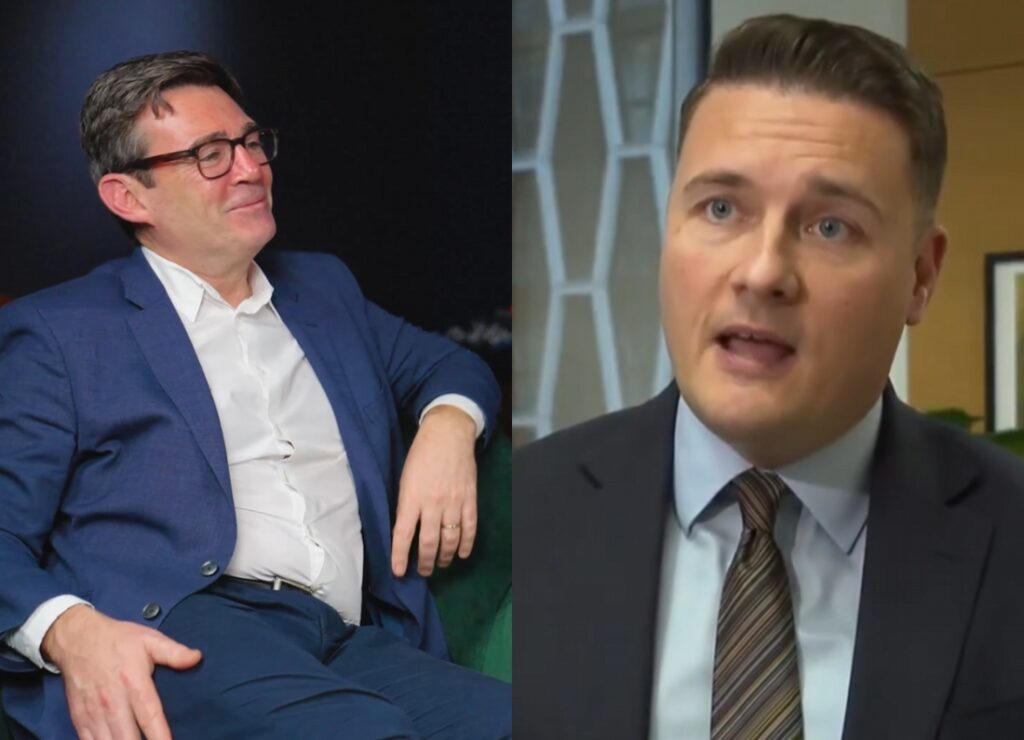
The former Conservative Prime Minister reflecting on the mistakes of a leaderless Tory party entering government without a proper mandate is, however, an implicit endorsement of exactly the process Labour’s factions are currently fighting over. As we reported in our Streeting resignation piece, the leadership contest is now formally underway. Burnham needs to win Makerfield first.
Whether the man who led the Conservatives to a 200-seat loss is the right source of advice for Labour’s next leader is, of course, another question entirely.
You can watch the interview below: