

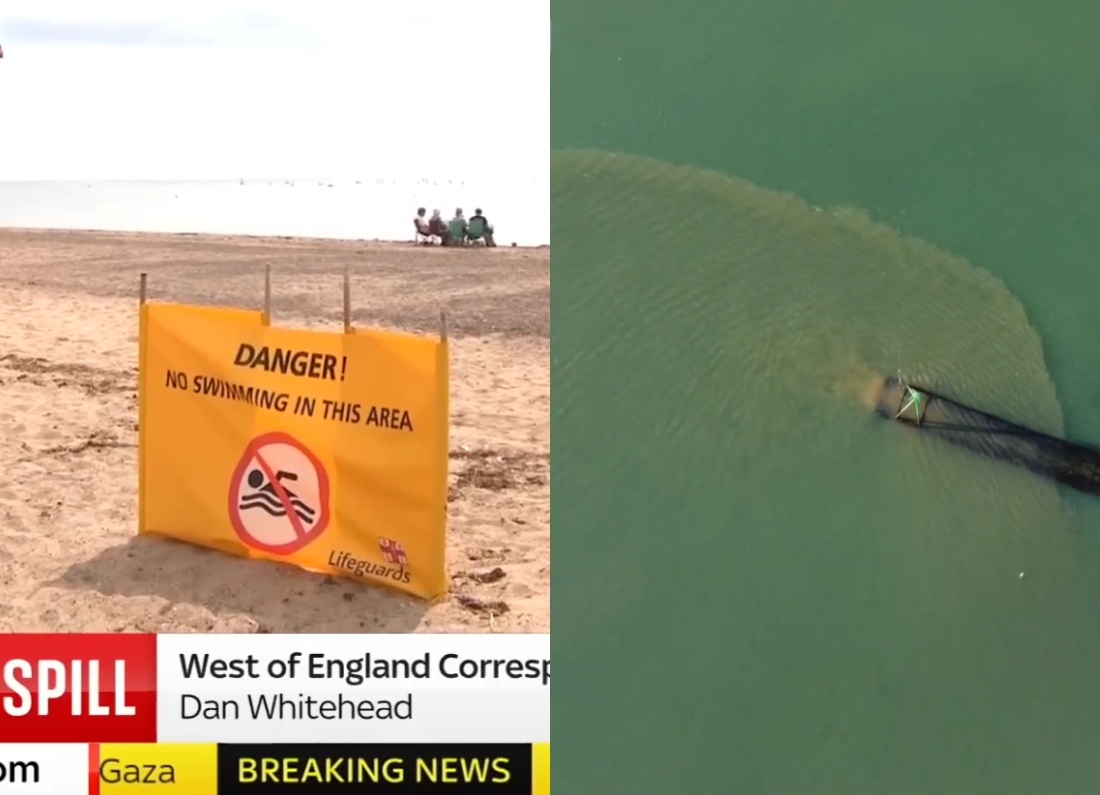
Severn Trent has doubled the size of a long-term reward scheme for its new chief executive to as much as £3.1m, meaning James Jesic could receive significantly more than his predecessor, despite ongoing public anger over water company pay.
The FTSE 100 water company’s long-term incentive plan will increase from 200% of Jesic’s base salary to 400%, according to changes revealed in the company’s most recent annual report. Jesic could receive as much as £4.8m in a single year once salary, annual bonus, LTIP and benefits are all counted, a figure significantly higher than the £3.9m peak annual earnings recorded by his predecessor Liv Garfield in 2022.
Why this is controversial
Water company pay has come under intense scrutiny in recent years amid public disgust over sewage flowing into Britain’s rivers and seas. Severn Trent itself revealed that Garfield was one of several water bosses blocked from receiving bonuses for the financial year to March, as a direct consequence of environmental failures. Severn Trent had escaped a similar ban the previous year, and complained bitterly about this year’s ban, arguing it was disproportionate because a single serious pollution incident could prevent an entire year’s bonus payment. The company said the ban, introduced by regulator Ofwat, was “undermining the ability of the sector to attract and retain the leadership capability required to deliver sustained improvement for customers and the environment.”
At the same time as complaining about the bonus ban, Severn Trent removed an environmental performance measure from the criteria determining future bonuses altogether.
The numbers in detail
Jesic started as chief executive in January on a base salary of £775,000. In the first three months of 2026 he made £740,000 in pro rata salary and bonuses that were not subject to the ban, because he was not chief executive during the incidents in question, although he was employed in a senior role at the time. Severn Trent reduced the size of his potential annual bonus from 120% of salary to 100%, but simultaneously doubled the LTIP from 200% to 400% of salary, meaning his overall potential earnings rose significantly despite the headline bonus cut.
His theoretical maximum pay packet for a single year, including salary, bonuses, benefits such as an electric car and a £15,000 “green travel allowance,” plus pension contributions, could reach £4.8m.
The campaign response
James Wallace, chief executive of the River Action campaign group, was direct in his criticism: “The public will rightly question whether any chief executive should receive a multimillion-pound pay package when the company they were responsible for recorded around 36,000 sewage spills lasting more than 200,000 hours in 2025.” Feargal Sharkey has separately called on the government to “seize control” of Thames Water through special administration, reflecting a wider campaign pressure on the water sector that extends well beyond Severn Trent specifically.
Severn Trent removed reference to its score in the government’s environmental performance assessment from its bonus calculations, despite generally being considered one of the better-performing water companies on pollution in the UK. The company argued this was justified because the score “could be heavily influenced by factors outside management’s control, reducing its effectiveness within the bonus structure.” It replaced the measure with a customer service metric, though some other environmental measures remain in place.
Severn Trent’s defence
A Severn Trent spokesperson defended the changes: “Our remuneration policy follows both the letter and the spirit of Ofwat’s rules. We have been completely open with Ofwat and our application of the rules, which apply to all our incentive programmes, is entirely compliant and is funded by shareholders and not customer bills. Critically, our policy is focused on delivering long term for our customers, communities and continued sector-leading environmental performance. We’re investing billions in our infrastructure at record levels and at an accelerating pace, reducing spills by 41% last year, and remain highly confident of achieving the top environmental status for a record-breaking seventh year.”
A wider sector pattern
Severn Trent’s LTIP increase remains subject to any future application of a bonus ban to the company, should further pollution incidents occur. But other water companies have separately been accused of trying to skirt Ofwat’s bonus restrictions altogether. United Utilities, which serves north-west England, has faced criticism for awarding chief executive Louise Beardmore a £435,000 “allowance” with no performance conditions attached at all, a structure that critics argue is specifically designed to circumvent the intent of the bonus ban rather than technically breach it.
A United Utilities spokesperson said the company was “committed to paying competitive, market-based remuneration to all our employees,” adding that “increased remuneration reflects the importance of retaining and rewarding our leadership team after a year of strong performance.”
The political context
This story lands at a politically sensitive moment for the water sector specifically. Andy Burnham has repeatedly cited water company pay and shareholder returns as a defining example of what he calls “40 years of neoliberalism,” arguing that under the current model “shareholders never lose, the public never win,” because rising bills flow to shareholders rather than into infrastructure improvements. Investors in the Thames Water rescue deal have separately expressed concern that a Burnham government could move toward nationalisation rather than allowing the current private rescue package to proceed.
Severn Trent’s decision to substantially increase executive reward potential at precisely the moment public and political pressure on water company governance is intensifying, and at the exact moment a prime minister openly critical of the sector’s current ownership model is about to take office, is likely to add further momentum to calls for structural reform of how water companies are regulated, rewarded and, potentially, owned.








Leave a Reply