A rescue deal for the debt-laden Thames Water is under threat because of the uncertainty surrounding who will be Britain’s next Prime Minister, government insiders have said – with potential investors fearing that Andy Burnham’s explicit support for public ownership of utility companies would torpedo any private sector rescue of the company if he enters Downing Street.
Ministers have been negotiating a takeover with a consortium of creditors led by American investment firm Elliott Management. But senior government sources have told the Guardian the deal – which some expected to be concluded this month – has run into significant problems caused in part by the political turmoil surrounding Keir Starmer’s future.
One senior source in the environment department said: “Things are changing every day – it’s very uncertain.” They acknowledged the uncertainty about who will be Prime Minister by the end of the year while adding that there was currently “little direction from the top of government.”
Why Burnham is the specific concern
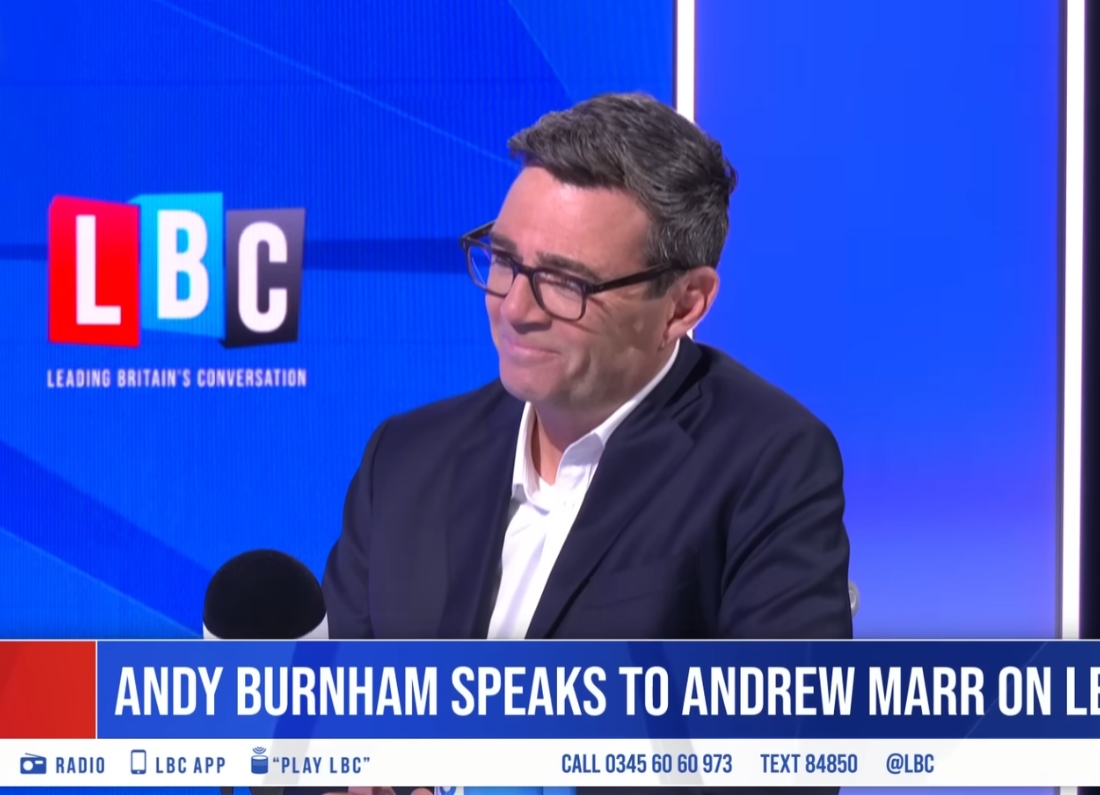
Burnham – who is seeking to win the Makerfield byelection and then challenge Starmer for the Labour leadership, as we reported in our full Makerfield coverage – has been explicit about his intention to bring utility companies under public control.
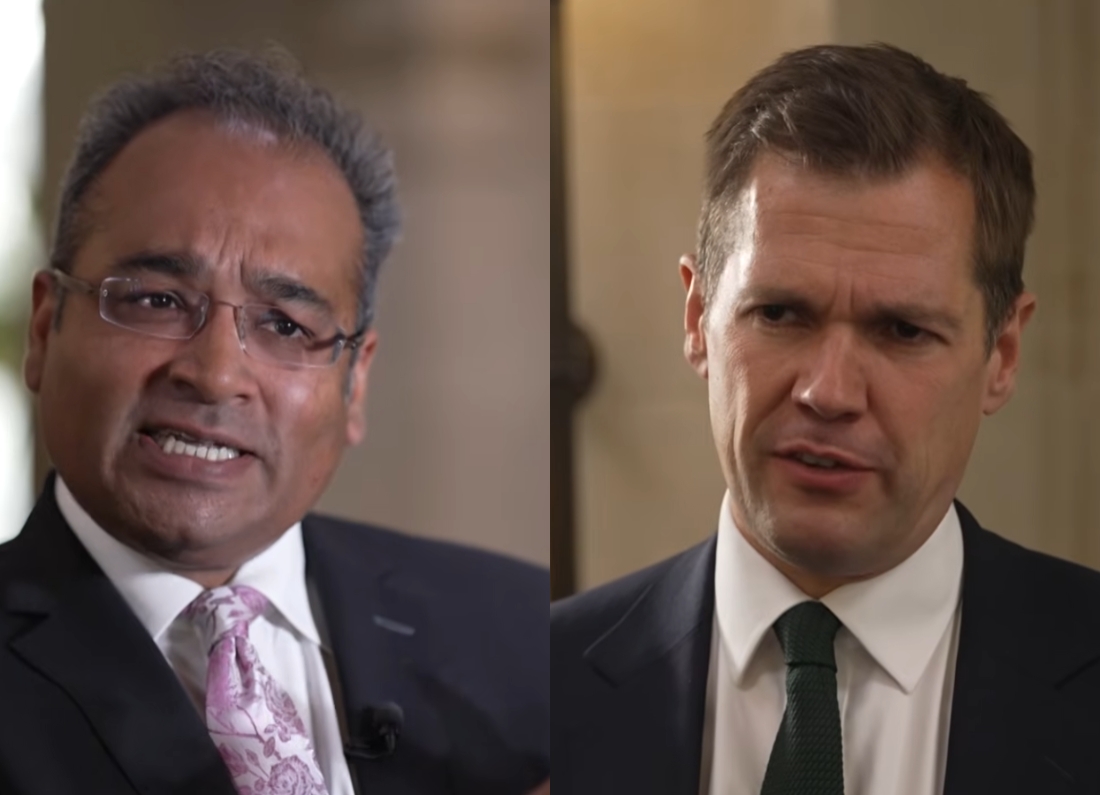
Speaking to Channel 4 News at the weekend, as we reported in our Burnham platform piece, Burnham drew directly on his Greater Manchester buses model: “You’ve got £2 fares. So you take that principle and you apply it to energy and you apply it to water. That’s what I think we need to do.”
His closest political allies have been more explicit still. Compass, the thinktank run by Neal Lawson – one of Burnham’s closest political confidants – has been running a campaign calling for public ownership of the entire water industry. Yuan Yang, one of the MPs leading the Tribune group who is understood to be close to Burnham, published an essay this month calling for the government to consider placing Thames into special administration immediately.
Lena Swedlow, Compass’s deputy director, said: “The reluctance to move Thames Water into special administration is really shortsighted and dangerous. It will simply mean taking more debt out to service the existing debt.”
For investors in a private sector rescue deal, the prospect of a new Prime Minister committed to public ownership within months is not an acceptable risk. Private sector rescues of failing utilities require long-term regulatory certainty. A government that might reverse the transaction – or that signals it would prefer a different outcome entirely – makes the transaction’s foundations unstable before it is completed.
Thames Water’s financial position – how it got here
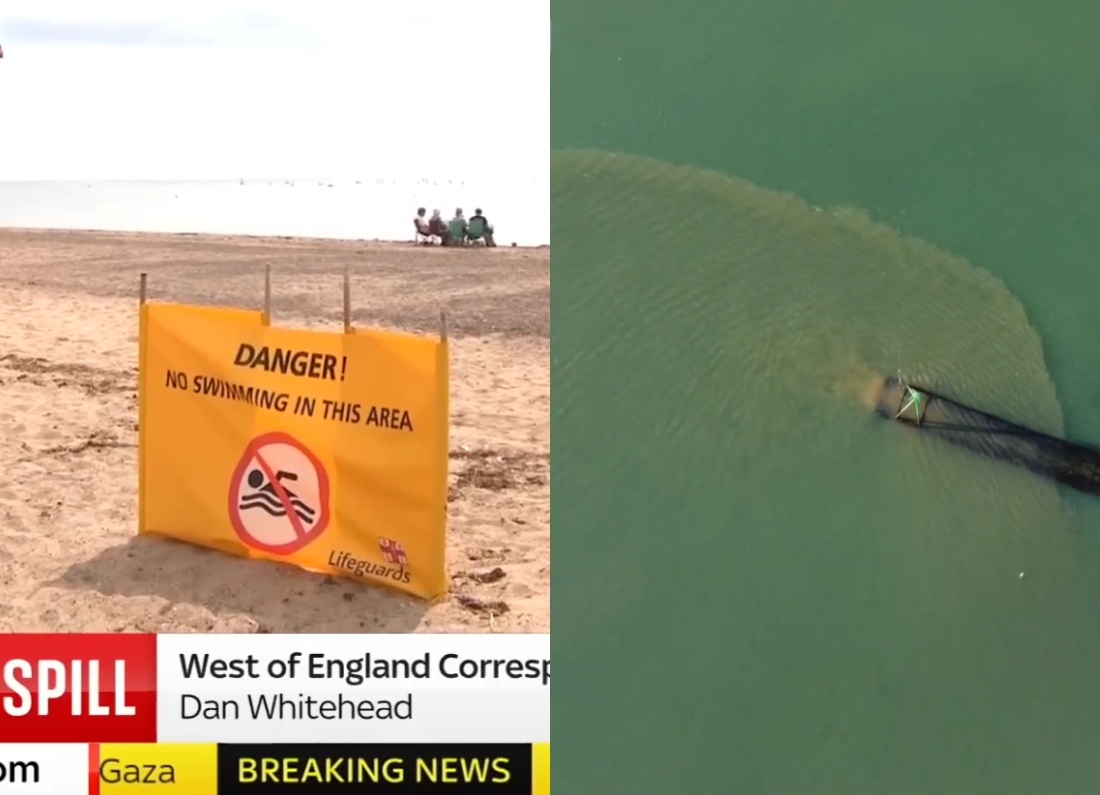
Thames Water’s crisis has been building for more than two years. The company has accumulated a £17.6 billion debt pile in the decades since its privatisation – a debt burden that has generated significant returns for shareholders and creditors while infrastructure investment has chronically lagged and raw sewage has been discharged into rivers in quantities that have led to significant regulatory fines.
As we noted in our ghost GDP and billionaire wealth piece, the Equality Trust’s analysis of the water industry is one of the most compelling examples of what it calls “rentier capitalism” – companies sitting on privatised assets, extracting value through debt, fees and dividends rather than creating it through investment and improvement.
Bosses attempted to sell the company last year but their preferred bidder, KKR, pulled out at the last minute. Creditors, who provided £3 billion in emergency funding last year, have now demanded a write-off of tens of millions of pounds in fines issued to Thames for dumping sewage in waterways – as well as a reduction in environmental investment requirements until 2030. Both demands have proved politically difficult for a government that has made environmental standards a manifesto commitment.
The special administration option – and what it means
If the Elliott Management deal collapses, Thames Water will fall into special administration – a form of temporary nationalisation in which an administrator appointed by the government takes control of the company and either sells it to the highest bidder or brings it under permanent public control.
Government sources have until recently defended the Elliott deal by arguing that taking Thames into public ownership would cost £100 billion to compensate private sector creditors. Experts have challenged that figure, however, arguing that ministers would be legally entitled not to compensate creditors at all given the state of the company and the substantial profits creditors have already extracted.
The legal argument – that creditors of a failed company have no automatic right to compensation at the level of their investment when that investment has already generated returns – is the basis on which Compass and others argue special administration is not merely a last resort but the correct and financially rational outcome.
The government’s position – and its fragility
A government spokesperson said: “The government will always act in the national interest on these issues. The company remains financially stable, but we stand ready for all eventualities, including applying for a special administration regime if that were to become necessary.”
The statement is calibrated to keep both options open without committing to either. It does not explicitly defend the Elliott deal or explicitly rule out special administration.
The Defra source’s additional observation is the most politically revealing: “We aren’t very impressed that things keep getting leaked by the creditors.” The leaks suggest Elliott and its consortium partners are themselves applying pressure – publicising the deal’s difficulties as a way of accelerating a government decision before the political situation changes further.
Defra sources added, in a detail that illuminates both the scale of the leadership crisis and its real-world consequences, that even if Burnham does not become Prime Minister, they believe “a weakened Starmer or any other Labour leader would find it difficult to allow the deal to go through.” In other words: the deal’s problems are not specifically a Burnham problem but a Labour authority problem. Any leader who lacks the political capital to override left-wing opposition – and Streeting’s resignation letter calling Starmer a “vision vacuum” has diminished that capital significantly, as we reported in our Streeting resignation coverage – may find it impossible to conclude a deal that hands a failed public utility to American creditors.
The broader political stakes
The Thames Water situation connects directly to one of the sharpest fault lines in the Labour leadership contest now underway. Burnham’s public ownership programme – which we reported in our Burnham platform piece as encompassing energy, water, housing and transport – is not a marginal position within the Labour membership. It is the majority position.
Rayner’s Sunday statement, as we reported in our bombshell Sunday piece, called Thames Water “an iconic failure of privatisation” and supported public ownership of buses and trains. Streeting, the candidate most associated with private sector involvement in public services, has not specifically addressed Thames Water.
The irony is that the markets are now providing the political pressure for the policy position that Labour’s left has been arguing for. If investors will not complete a rescue deal because they fear the next Prime Minister would reverse it, the commercial case for the private sector rescue collapses of its own weight – leaving special administration as the only viable option regardless of who is in Downing Street.
Burnham told Channel 4 News on Saturday: “The country gave away its control with basic things that people depend upon every day and that was a big mistake in my opinion.” Thames Water, which has turned one of those basic things into a £17.6 billion debt pile and rivers full of sewage, is the argument he is making in physical form.