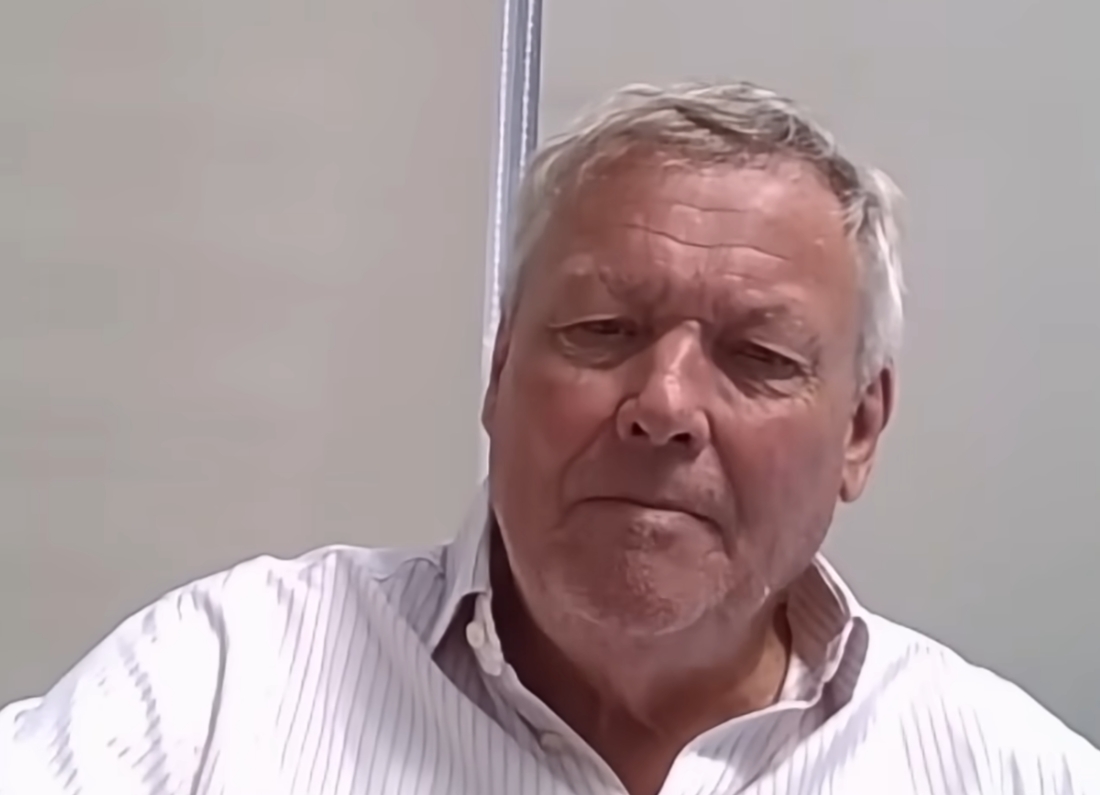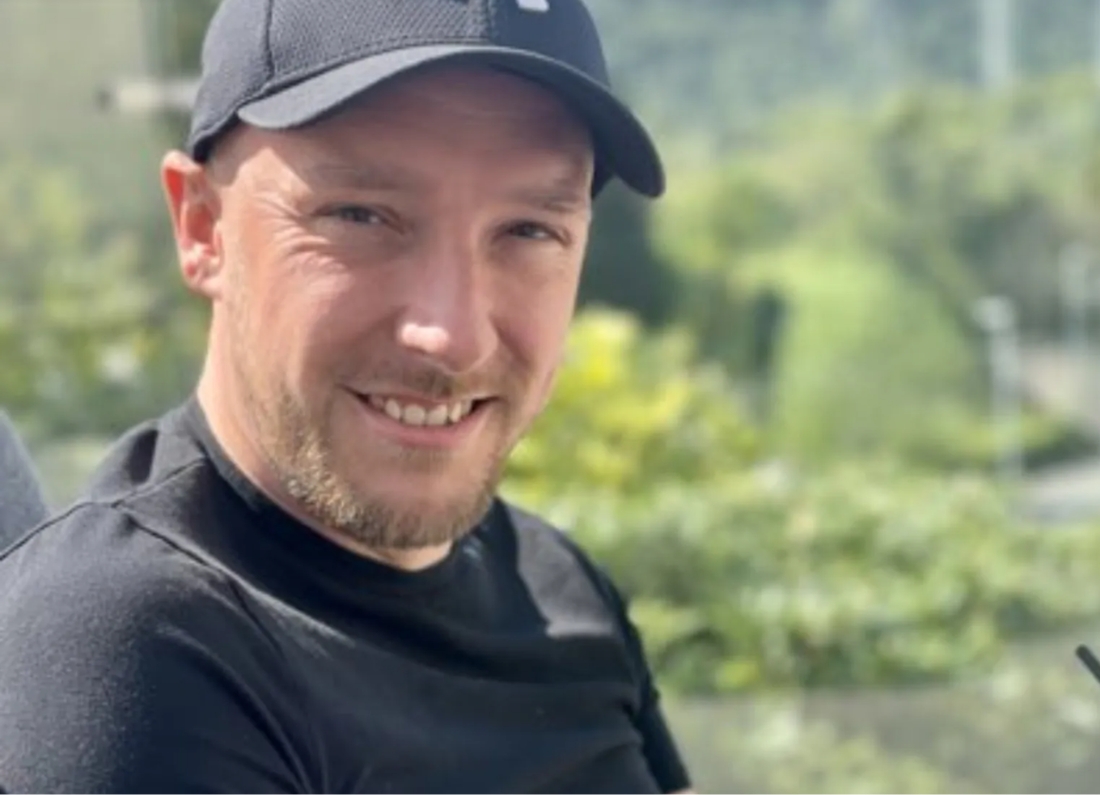
A newly elected Reform UK councillor in St Helens has been revealed to operate an adult content platStephen Mousdell, the newly elected Reform UK councillor for Haydock in St Helens, has resigned from his council role after his adult content platform persona was publicly revealed – but in a statement that has since been widely shared, he refused to apologise, saying “I have done no wrong doing and I’m not lying just to stay in office.”
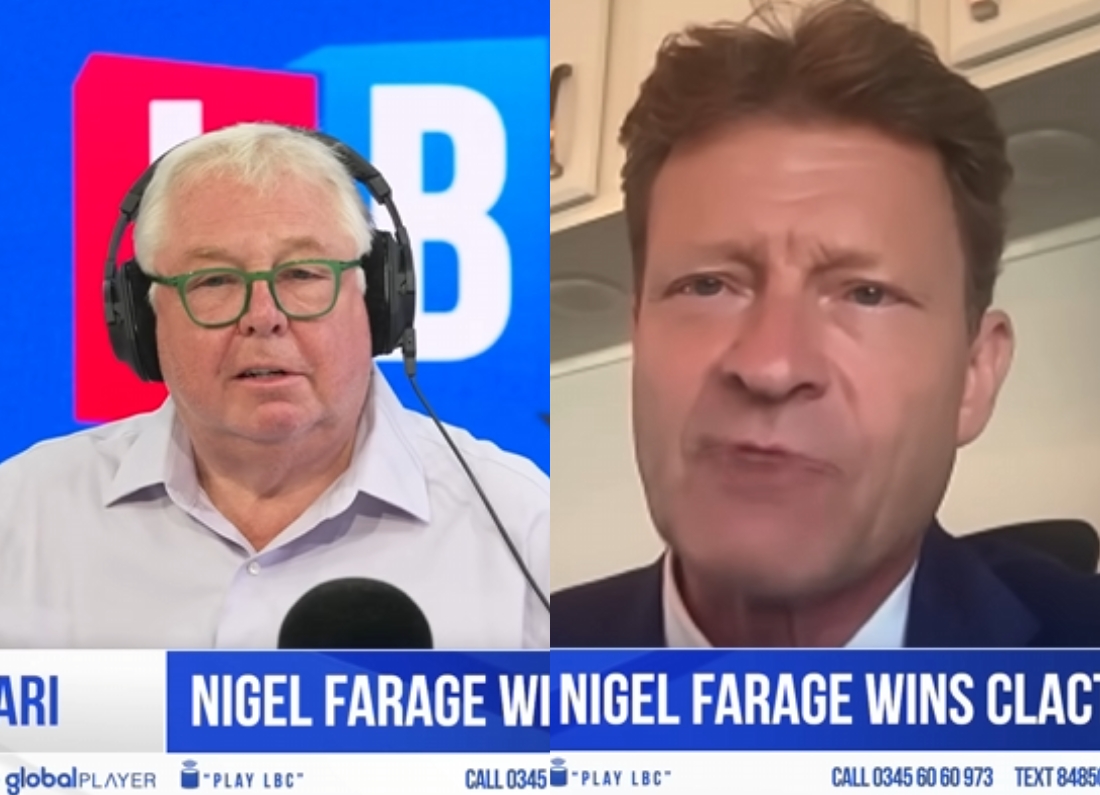
Mousdell was elected last Thursday as one of 34 Reform UK councillors in St Helens – a borough where the party had previously had no representation at all. Within days of his election, his online identity as adult content creator “Lachlan Taylor UK” on OnlyFans was revealed by LBC, prompting his resignation from the councillor role. He has since spoken publicly about both the decision and the pressure that preceded it.
What Mousdell said in his resignation statement
Mousdell’s statement is, by any political standard, an unusual one – direct, unbowed and without the standard formulaic language of political resignation.
“Recently, things have come out with regard to myself and my partner. We have always been transparent about it and not ashamed of what we do. We have full time jobs and also have adult professions, in which we abide by all EU and UK laws. We have never broken any laws or put anything into dispute. We also follow high standards in which we follow social media community guidelines and also keep up to date with the ever changing UK online safety act.”
On his resignation itself: “It is with sincere regret I am resigning as Reform councillor for Haydock Ward. This is due to the immense pressures from the media, from individuals within the town hall, from certain parties and individuals who were not elected as councillor over a conflict of interest with regards to being a public figure in office and doing the adult profession.”
Most pointedly: “I was told to apologise to the public and stop doing what I was doing if I was in for a chance of staying being a councillor but I refused because I have done no wrong doing and I’m not lying just to stay in office. I am, who I am. I’m proud of what I do, there is no shame of it and I am proud to be a gay individual in this community.”
He concluded by thanking Reform UK for the “great opportunity” and saying that other councillors he met “regardless of party” had been “lovely people who deserve full respect.”
What the statement reveals about what happened behind the scenes
Mousdell’s public account of his resignation diverges in significant ways from Reform’s public positioning. Reform’s official statement said “what consenting adults do in their private lives is their own business” and described him as “an asset to his local community.” The party gave no indication it was pressuring him to resign or to alter his conduct.
Mousdell’s own account tells a different story. He says he was specifically told that apologising to the public and stopping his adult content work were conditions of remaining in the role – a set of demands he declined. This suggests that whatever Reform said publicly about private choices being private, a different conversation was happening internally.
The gap between the two accounts raises specific questions about whether Reform’s public position – tolerant, liberal, focused purely on legality – accurately reflected its private pressure on a newly elected member.
The legal question
Some of the content made public appeared to depict activity in public settings. Common Law provides that carrying out a sexual act in public could constitute “outraging public decency” – a criminal offence. Mousdell’s statement insists that he and his partner “abide by all EU and UK laws” and have “never broken any laws.” There is no suggestion of any police investigation or criminal proceedings.
Reform’s official statement was equally clear: “He has not broken the law.”
The Reform vetting pattern
Mousdell’s resignation is the fifth post-election story about a newly elected Reform councillor in the space of a week. As we reported in our full piece on the four suspensions and resignations within 72 hours of election night, a Plymouth councillor was suspended for sharing a post depicting a bomb being dropped on Mecca, an Essex councillor was removed over alleged racist posts and two Worcestershire councillors were suspended in an internal leadership dispute that became a public attack on Farage.
The Mousdell case is different in character – there is no allegation of racism, extremism or Islamophobia, and the activity involved is legal. But it adds to a pattern in which the online histories of newly elected Reform candidates have produced immediate post-election difficulties in numbers that raise specific questions about the depth and scope of the party’s pre-selection vetting process.
The St Helens case has an additional dimension that the others did not. Mousdell’s account suggests that the party’s private position – on what he should do to remain a councillor – was considerably more prescriptive than its public position of liberal tolerance implied.
What this means for the Haydock seat
Mousdell’s resignation means a vacancy now exists in Haydock Ward. A byelection will be required to fill the seat. Reform, which swept St Helens with 34 of 48 seats on the back of a national wave, will be expected to defend the seat – but the circumstances of the vacancy and the publicity surrounding Mousdell’s departure will make the byelection more complicated than a straightforward hold.
The wider context matters too. As we reported in our coverage of the Makerfield byelection, Reform has already committed to “throwing absolutely everything” at the Makerfield contest that will decide whether Andy Burnham gets back to parliament. A contested byelection in Haydock arriving simultaneously would require Reform to fight on two fronts in Greater Manchester-adjacent territory.