

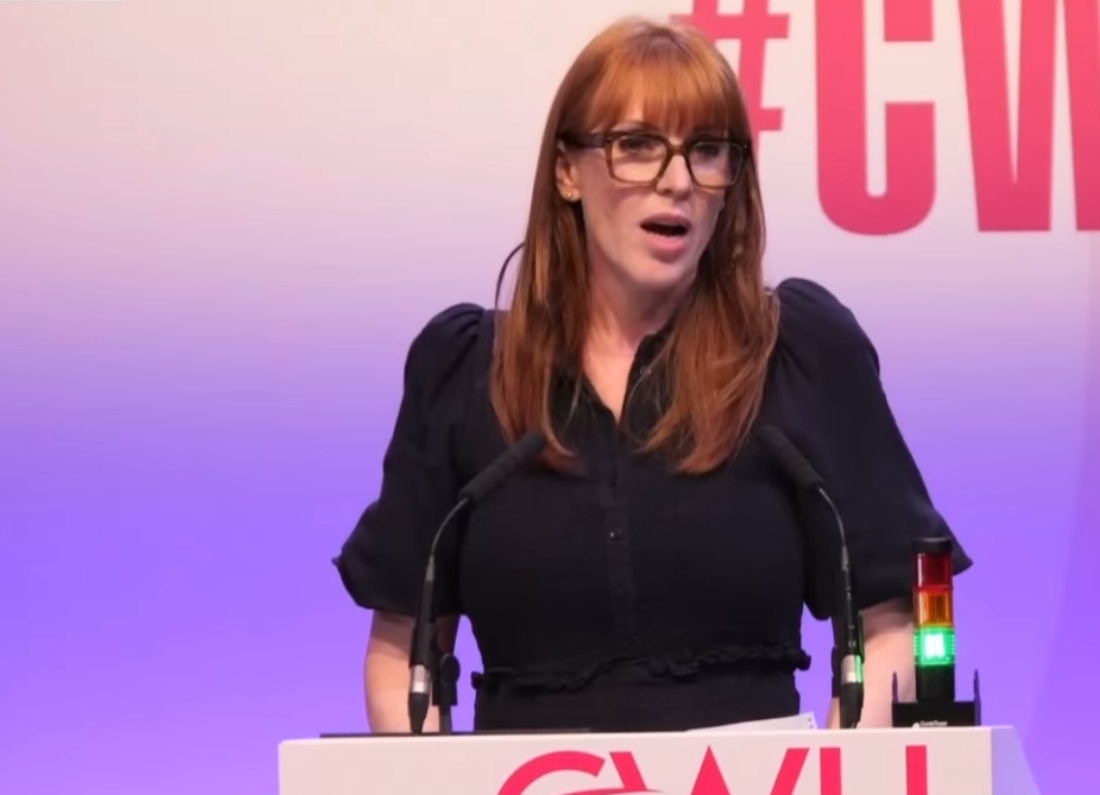
Former deputy prime minister Angela Rayner has heaped praise on Andy Burnham’s plans for a No 10 North, while accusing Keir Starmer’s government of upholding the status quo, in a speech that marks her most significant return to frontline political commentary since resigning last September.
Rayner, who stepped down after an investigation into her tax affairs, threw her weight behind Burnham’s devolution agenda in a speech to the New Economics Foundation. Burnham used his first major policy speech since returning to Westminster to announce what has been described as the biggest shift of power out of London in modern British history, including plans for a second No 10 based in Manchester, declaring “the days of Whitehall blocking devolution are over for good.”
Rayner’s critique of Starmer
Rayner said Burnham had “put forward a vision of good growth in every British postcode,” a direct echo of the framing Burnham himself used in his speech. But her comments were most notable for the pointed criticism of her former government colleagues. “Let’s be honest, we have too often left the impression that we found ourselves defending the status quo rather than challenging it,” she said.
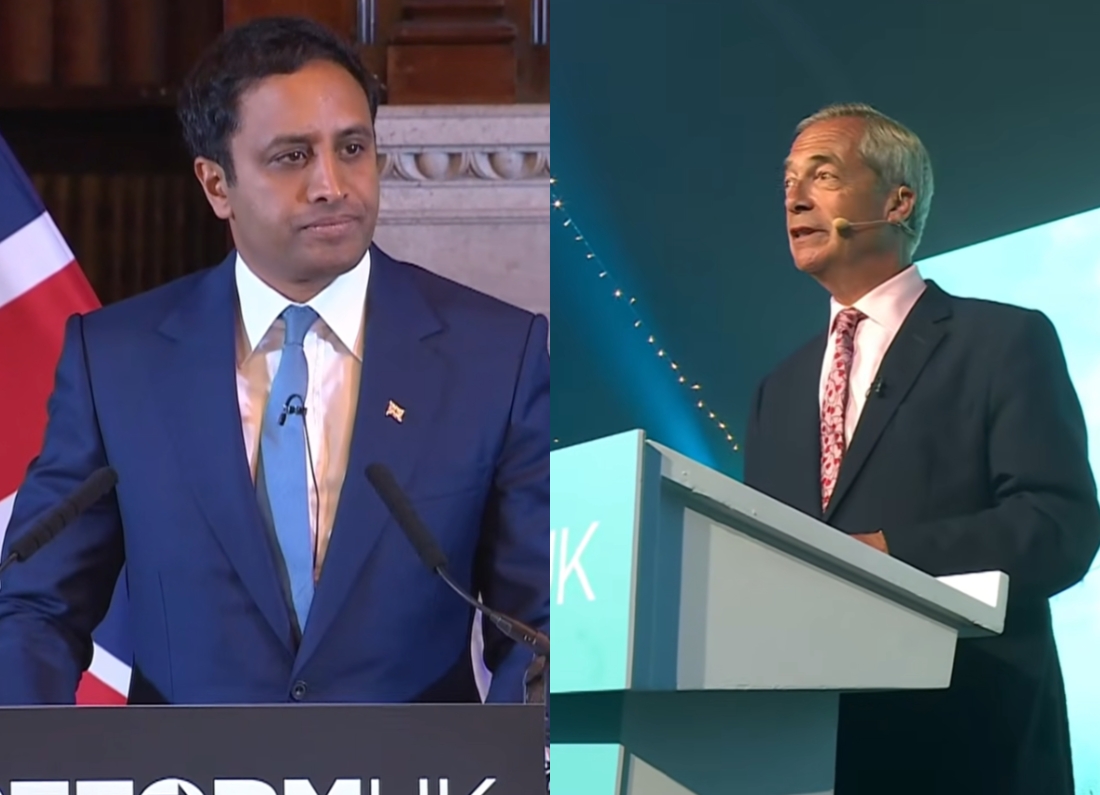
She went further, warning that a cautious approach would fail to counter the electoral threat posed by Reform UK. Rayner said Labour would fail to conquer Nigel Farage’s party “with caution,” and identified a specific structural obstacle to the kind of change Burnham is proposing: “institutional resistance” to devolution within Whitehall itself. She called for Labour to “break away from the command and control culture of Whitehall that has held us back for too long.”
Rayner’s return
Rayner’s intervention carries particular weight given her own political trajectory over the past year. She resigned as deputy prime minister last September following an investigation into her tax affairs, but HMRC has since closed that investigation, concluding she will not face a penalty charge. That resolution clears the way for a return to frontline politics, and reports suggest Rayner is understood to covet a return to the Ministry of Housing, Communities and Local Government, the department that would be responsible for managing Burnham’s devolution plans in practice were he to become prime minister.
Rayner has been an increasingly vocal critic of Reform in recent weeks, previously branding Farage “same old Thatcher” as the party attempted to court trade union support, a line that suggested she was already positioning herself as one of Labour’s sharper attacking voices against Reform ahead of any leadership contest.
Not everyone is convinced
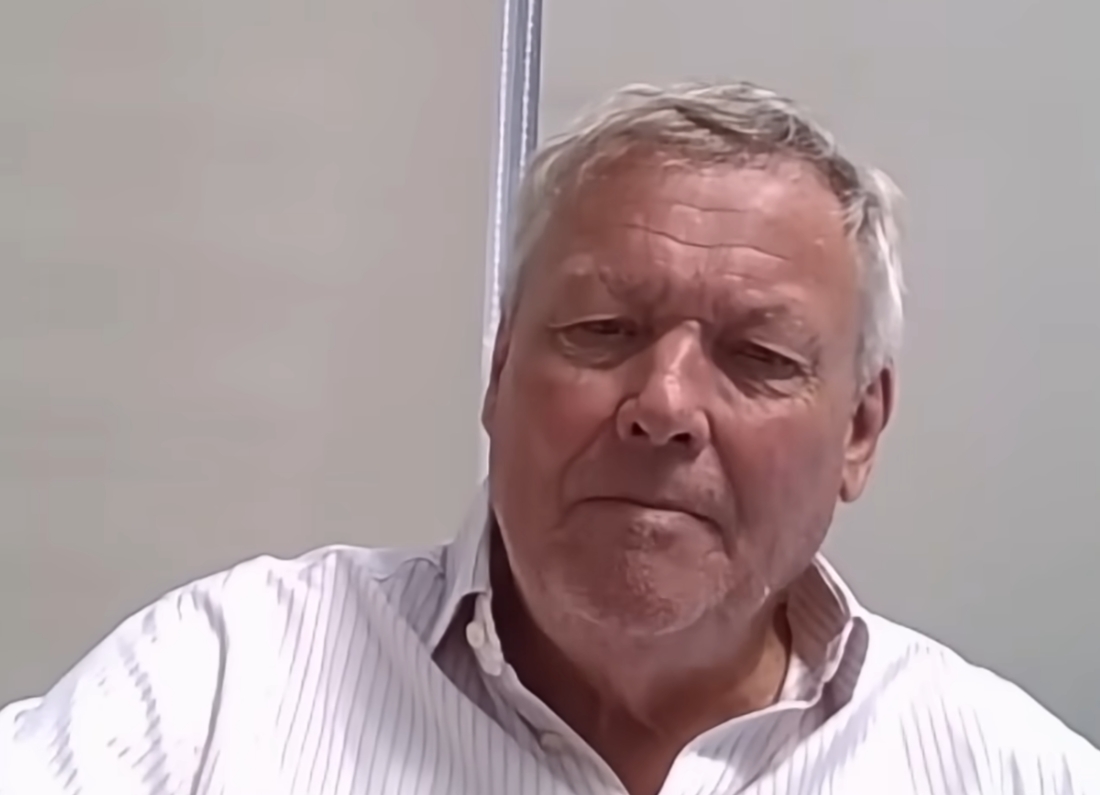
Burnham’s devolution agenda has not been universally welcomed, even among figures without an obvious partisan stake in undermining it. Lord Stuart Rose, the former Marks & Spencer chief executive, has separately argued that Britain “can’t afford” Burnham’s plan, a warning that sits in tension with the broader argument Rayner and other Burnham allies are making, that avoiding structural change carries its own serious risks. As Rayner put it in her NEF speech: “By avoiding structural change, we risk confirming the right-wing populists’ narrative that ‘the establishment can only do more of the same.'”
That tension, between the fiscal caution demanded by critics like Rose and the political urgency Rayner and Burnham are trying to convey, is likely to be one of the defining arguments of the early Burnham government, however it eventually resolves.
The market reaction so far
Notably, the market response to Burnham’s speech itself has so far undercut the more alarmist warnings about affordability. Gilt yields fell slightly and the pound rose following Burnham’s devolution speech, a reaction driven largely by his explicit commitment to sticking with Rachel Reeves’s existing fiscal rules and his stated ambition to reduce the welfare bill, both signals that reassured investors even as the substantive devolution announcement itself represented a genuinely significant structural change.
The leadership contest context
Rayner’s comments arrive as Burnham remains the only declared candidate in the Labour leadership contest triggered by Starmer’s resignation. Wes Streeting ruled out his own leadership bid and endorsed Burnham directly, removing the most obvious potential rival from contention, though Streeting’s own record, including £372,000 taken from private health donors while he held the NHS drug pricing brief, continues to generate separate scrutiny regardless of his decision to stand aside.
Under Labour’s timetable, nominations to replace Starmer open on 9 July and close on 16 July, meaning Burnham could formally take office as early as 17 July if no rival candidate secures sufficient backing to trigger a full contest. Starmer’s resignation and departure timetable set this process in motion, and with Rayner’s public endorsement of Burnham’s agenda, combined with her likely return to a senior departmental role overseeing its implementation, the shape of an early Burnham cabinet is beginning to come into sharper focus even before he has formally taken office.
What Rayner’s role could mean
If Rayner does return to the Ministry of Housing, Communities and Local Government, she would be placed directly in charge of translating Burnham’s devolution rhetoric into deliverable policy, negotiating with metro mayors, local authorities and Whitehall departments over exactly how much power and resource genuinely moves out of London. Her comments about “institutional resistance” within Whitehall suggest she is already anticipating that fight, and her willingness to publicly criticise her former government’s caution suggests she intends to arrive in that role with a considerably more combative posture than her predecessor.










Leave a Reply