The second tranche of internal government documents on Peter Mandelson and his brief appointment as UK ambassador to the United States has been released, running to 1,400 pages and containing private WhatsApp exchanges that reveal attacks on Keir Starmer’s leadership as “beleaguered and bereft,” Wes Streeting dismissed as experiencing “an early mid-life crisis,” Ed Miliband mocked as “so person and stupid,” and Pat McFadden criticising Labour MPs as asking “the wrong questions” on tax. Mandelson himself declined to hand over his own WhatsApp messages when asked.
The documents were extracted through a parliamentary procedure called a Humble Address, used by the Conservatives to force the Cabinet Office to release all files related to Mandelson’s appointment. Some sections have been redacted due to concerns about international security and the ongoing Metropolitan Police investigation into Mandelson’s conduct in public office. Mandelson has not been charged and denies any wrongdoing. The first tranche of documents showed he was appointed as ambassador against the recommendations of security officials.
Mandelson fell from his role last September when the extent of his friendship with convicted paedophile Jeffrey Epstein was revealed. Questions about why he was appointed in the first place and what influence he exercised over ministers remain live. These are eight of the most significant findings from the second release.
1. McFadden’s private frustration with Labour MPs
In private WhatsApp messages to Mandelson, Cabinet minister Pat McFadden expressed frustration with Labour MPs rebelling over welfare cuts around May 2025. “Every meeting I have is ‘who can we tax in order to pay benefits to others’,” McFadden wrote. “They’re asking the wrong questions.”
The government was eventually forced into a significant climbdown on welfare cuts amid the scale of the Labour backbench rebellion. McFadden’s private view – that MPs focused on taxing were asking the wrong questions – was not the public position the government adopted when it reversed course.
2. Mandelson refused to hand over his own WhatsApps
The most legally significant finding in the second tranche concerns Mandelson’s own compliance. The Cabinet Office wrote to Mandelson via his solicitors requesting any information held on his personal phone. His response: no.
The report states: “Peter Mandelson declined to comply with this request. The Government has no further recourse to search the personal devices of Peter Mandelson.”
A man who arranged to have 1,400 pages of other people’s correspondence released to parliament declined to contribute his own messages. The Metropolitan Police probe continues.
3. The Trump red box farce – “like something out of the Thick of It”
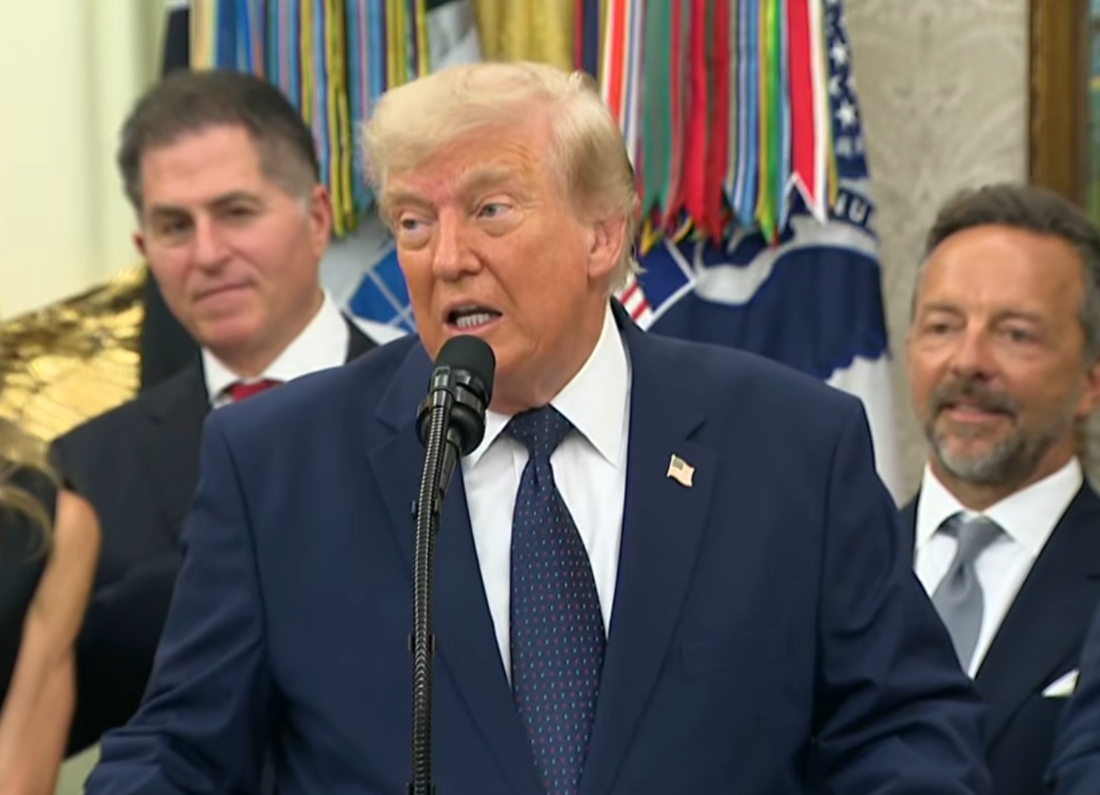
Among the more surreal revelations is an extended email chain about securing an appropriate gift for Donald Trump. Olly Robbins, the most senior civil servant in the Foreign Office – who was subsequently dismissed over the vetting controversy surrounding Mandelson’s appointment – wrote in August 2025: “It is clear that one of the gifts that would mean the most to the President would be a red dispatch box with the gold crest and lettering mimicking a UK Government Ministerial box with ‘President of the United States.'”
What followed was apparently a lengthy bureaucratic saga. Mandelson complained to Morgan McSweeney – then No.10’s chief of staff – in a private email: “The saga goes on… this is like something out of [the] Thick of It… I have gone tonto on this.”
The Thick of It comparison, made by the actual former ambassador in an actual private email about an actual diplomatic gift for the actual President of the United States, requires no further editorial comment.
4. Wes Streeting: “an early mid-life crisis”
The files reveal Mandelson’s private assessment of Wes Streeting, previously considered one of his political protégés. When Streeting circulated “a series of videos and a note” to the cabinet following his intervention on alleged Israeli war crimes in Gaza, Mandelson wrote to McFadden calling it “pathetic.”
He then added: “I think Wes is experiencing an early mid-life crisis.”
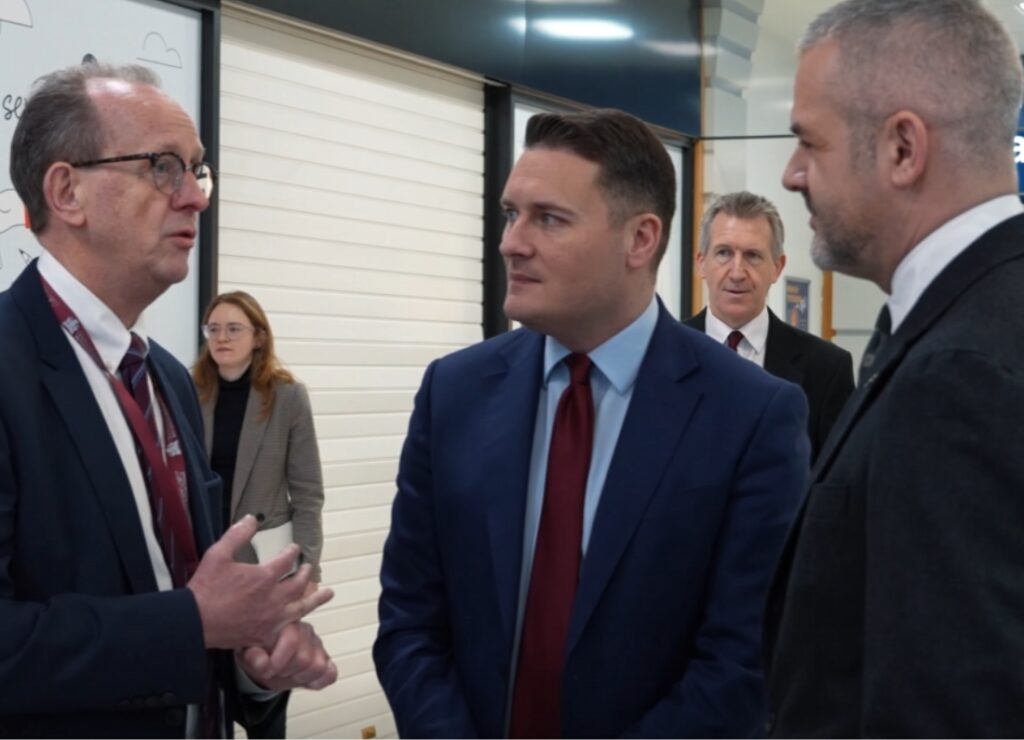
As we reported in our Streeting resignation piece, Streeting subsequently resigned from cabinet and is now a leadership candidate. His resignation letter called Brexit a “catastrophic mistake” and positioned him as the candidate who could offer Labour a new vision. Whether the man who mentored him privately thinks a mid-life crisis is the appropriate frame for that arc is now a matter of public record.
5. Attacking Keir Starmer as “beleaguered and bereft”
Mandelson’s assessment of the Prime Minister in his private exchanges with McFadden is notably damaging given that he was serving as Starmer’s ambassador to Washington at the time of writing.
On Starmer’s approach to a White House visit about Ukraine, Mandelson described it as “completely reductionist” and wrote: “He wants to avoid any encounter with journos that might involve him answering a question. No sense of opportunity for personal projection. Just avoid all risk. Always the same. They/he have no confidence.”
He also called the No.10 operation “beleaguered and bereft” and said the top team “don’t think Keir knows what he wants.”
These assessments, made by the man Starmer appointed as his chief diplomatic representative in America, were not shared with the public while Mandelson held the role. They are consistent with the broader picture of internal Labour dysfunction that has characterised the period, as we have reported across our coverage of the leadership crisis.
6. Ed Miliband: “so person and stupid”
Energy Secretary Ed Miliband does not emerge well from Mandelson’s private correspondence either. Writing about Miliband’s public disagreement with Tony Blair over net zero in late 2025 – a row we covered in the context of our Blair essay piece – Mandelson wrote: “Miliband couldn’t resist yesterday. So person and stupid.”
The phrase “so person and stupid” appears to be a typo for “so petty and stupid” – a characterisation that Mandelson evidently typed in some haste but which captures his assessment unambiguously.
7. Ministerial cold shoulders
While pensions minister Torsten Bell’s response to Mandelson’s appointment was warmly enthusiastic – “You. Are. Here.” and “Very proud of what is yet to come!” – several other ministers appear to have taken a different approach.
Then Justice Secretary Shabana Mahmood and Transport Secretary Heidi Alexander appeared to ignore Mandelson’s messages entirely. Assistant Government Whip and now Transport Minister Keir Mather ignored all contact from Mandelson.
The contrast between Bell’s enthusiasm and the cold shoulders from other senior figures suggests Mandelson’s appointment was not universally welcomed within cabinet, regardless of what was said publicly.
8. The handwritten letter to Lammy
On 18 November 2024, before his appointment was formally confirmed, Mandelson wrote a handwritten letter to then-Foreign Secretary David Lammy. “I just wanted you to know that if you were minded to appoint me I would make sure you never regret it,” he wrote. “I fear that navigating Britain’s interests through the Trump administration will require super-human skills and luck and a massive team effort.”
He added: “For me, it would be the last thing I do in public life and it would be a huge honour to serve you and the government in this role.”
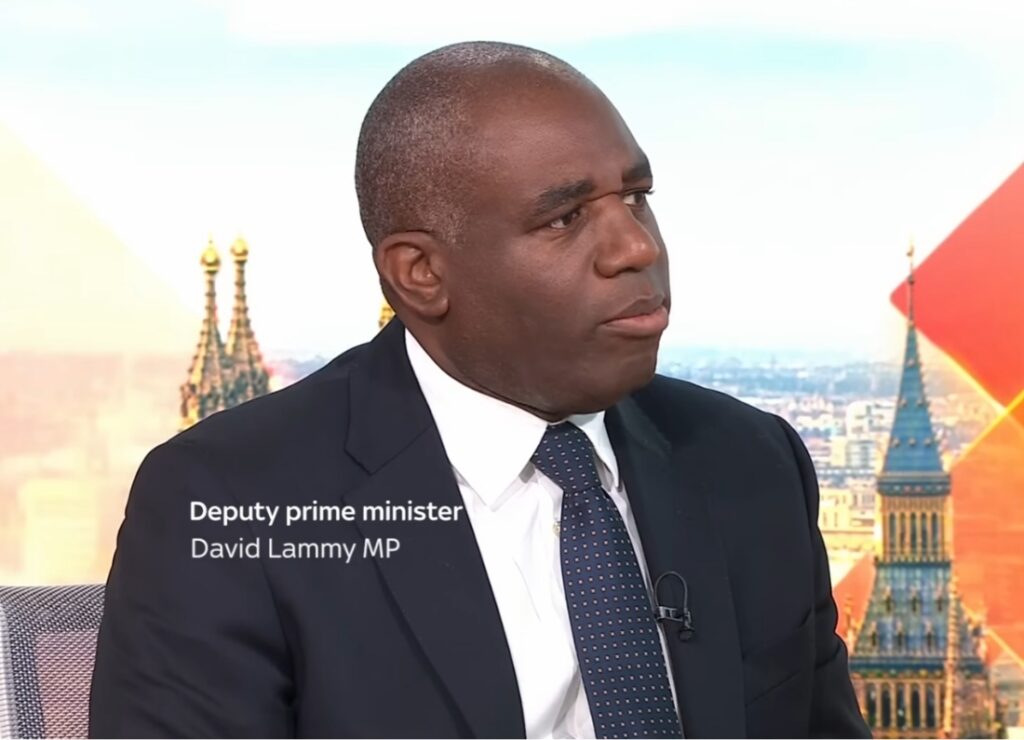
Mandelson’s appointment lasted until September 2025, when the Epstein connection ended it. Whether Lammy regrets it is a question the files do not directly answer.