

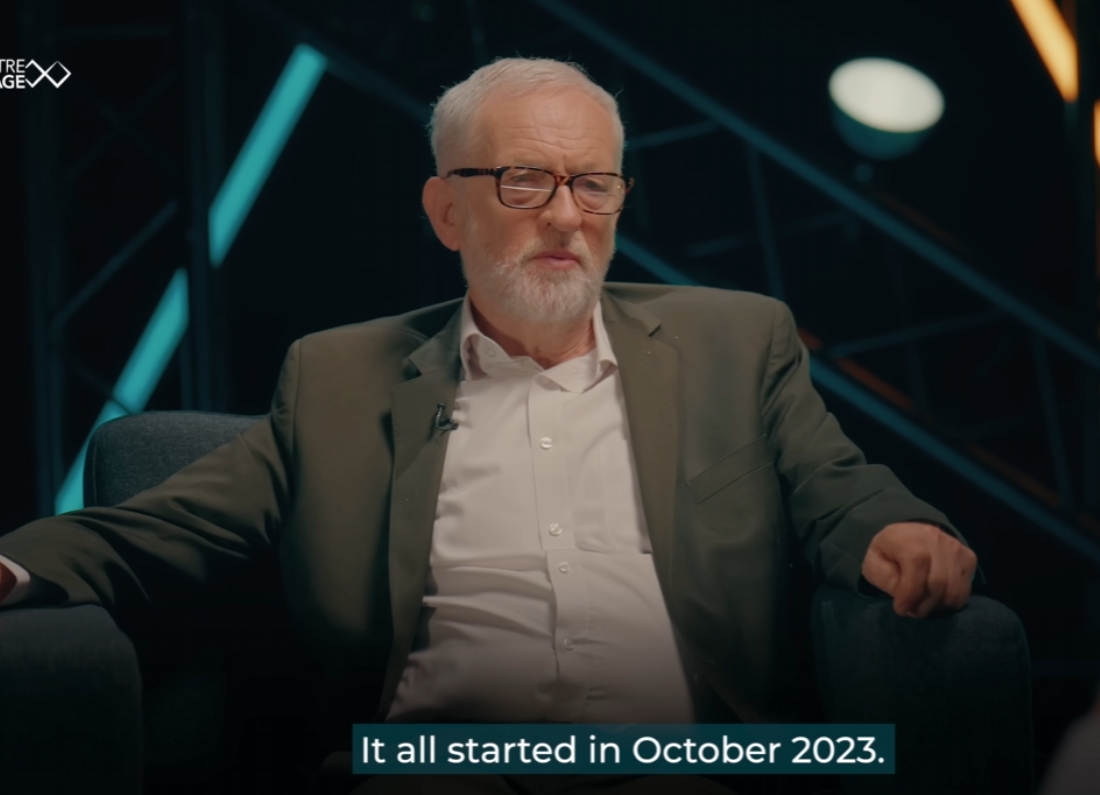
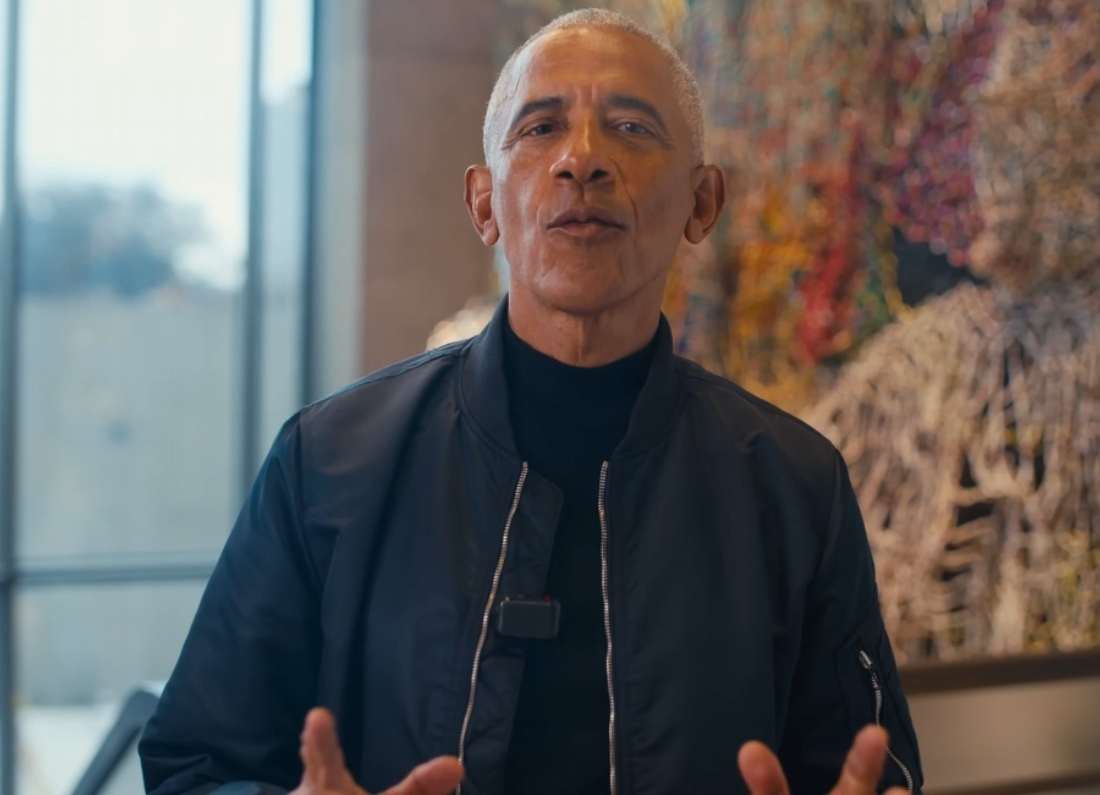
Jeremy Corbyn has delivered a withering assessment of Reform UK’s newly elected councillors, describing many of them as completely unprepared for office, uninterested in the structures of local government and operating under the apparent belief that the job consists primarily of choosing which flags to fly outside their town halls. The former Labour leader and independent MP for Islington spoke on Sunday, one month after local elections that gave Reform control of several councils – and one month into a period in which 17 Reform councillors have already left the party or been removed from it.
Corbyn has been active in politics for the best part of fifty years. He has observed a great many parliaments, cabinets and council chambers. His verdict on Reform’s council intake was direct.
“Where Reform have gained control of local authorities, two things seem to happen. First, many of their councillors seem completely unprepared for it and don’t do any further preparation, so they don’t have any clue what they are doing. They don’t understand the structures and they don’t have any interest in it, then some of them simply disappear.”
“Secondly, they think the whole thing about being in a local authority is the flags you put up outside the town hall, rather than what you actually do.”
Seventeen gone in a month
The specific scale of Reform’s councillor losses in the weeks since the May local elections is the context for Corbyn’s remarks. Seventeen Reform councillors have left the party or their positions since polling day. The local elections themselves were held one month ago.
The reasons for departures have been varied and frequently undignified. Racism and the possession of pornography have featured among the causes cited for dismissals. The most recent departure at the time of writing was Billy Burke, a Reform councillor in Telford, who was suspended following a charge of possession of an offensive weapon.
As we reported in our Reform councils governance piece, the number of Reform councillors who have left, been kicked out or defected since the May 2025 elections – before the new intake – was already approaching 100. The addition of 17 departures in a single month from the 2026 intake suggests the pattern is not specific to one cohort or one moment of poor vetting. It is structural.
The Kirklees moment
The specific incident that attracted the most attention from the new intake was the Kirklees council vote to elect a leader, which collapsed twice after Reform councillors admitted they did not know what an amendment was. The moment went viral.
An opposition councillor’s response – “the first day of school can be hard” – captured the prevailing tone of the coverage. But the substance beneath the joke is significant. The vote to elect a leader is one of the most basic procedural acts a newly formed council undertakes. Failing it twice, and failing it specifically because councillors do not understand the procedural concept of an amendment, is not a minor teething problem. It is an indication of the depth of preparation – or its absence – that preceded the election.
As we reported in our Kirklees council farce piece, this is the council that Reform held up as evidence of their readiness for power. The moment the vote collapsed the second time, it became evidence of something else entirely.
What they’ve done with power
The governance record of Reform-controlled councils in the weeks since May is documented and specific. As we reported in our Wakefield piece, Reform’s Wakefield council cut school uniform support for 30,000 children within three weeks of taking power – a decision affecting some of the most economically vulnerable families in the constituency. As we reported in our Durham Pride piece, Reform’s Darren Grimes cut Durham Pride funding, prompting trade unions to raise six times the cut amount to replace it.
In neither case is there evidence of complex policy thinking or difficult trade-offs carefully navigated. In both cases the pattern is simpler: Reform cut something that was already working, for constituencies that were already struggling, within weeks of taking office, and the consequences were immediate and visible.
The flags question is not entirely a metaphor. The first decisions many Reform councils made in the weeks after May were decisions about flags: removing certain flags from council buildings, replacing them with others, changing which emblems fly above town halls. These are not policy decisions in the conventional sense. They are symbolic gestures. Corbyn’s observation – that Reform councillors believe the job is about the flags rather than what you actually do – is, in that specific context, a factual description of what some of them have spent their first weeks doing.
The preparation question
Corbyn’s first observation – that Reform councillors “seem completely unprepared” and “don’t do any further preparation” – raises a structural question about how Reform has approached its rapid growth. A party that goes from a handful of MPs and few local councillors to controlling dozens of councils in a single election cycle faces a specific challenge: the people it needs to fill those seats were not, for the most part, people who had been preparing for years to run local government.
Reform’s candidate vetting process was widely discussed during the campaign. As we reported in our Kenyon piece, their Makerfield candidate had two deleted social media accounts containing material including riot disinformation, pro-Russia posts and misogynist content that was discoverable before his selection. If that passed vetting for a flagship byelection candidate, the standards applied to council candidates in 650 constituencies across England were not stricter.
The BBC’s Ruth Davidson identified the structural tension in Reform’s situation months ago on Electoral Dysfunction. Farage had a choice: deepen the base or broaden it. To govern – at any level – you need people who understand government. Deepening the base means selecting people who are angry and energised and share the ideology, whether or not they know what an amendment is. The seventeen departures in a month, the Kirklees collapse and the Billy Burke weapon charge are the result of that choice.
What Corbyn represents in this picture
It is worth noting who is delivering this assessment. Jeremy Corbyn is not a figure associated with centrist or establishment politics. He is a man who spent decades on the left wing of the Labour Party, was expelled from it, and continues to sit in Parliament as an independent. His critique of Reform is not the critique of a political opponent protecting their ground. It is the critique of someone who has watched local government operate for five decades and is describing, specifically and without sentimentality, what he sees happening.
“Many of their councillors haven’t got a clue what they’re doing,” he said. “Or they think it’s all about the flags you put up outside the town hall, not what you actually do.”
The flags and the clue are the same observation made twice. The flags are what you do instead of governing when you don’t know how to govern. And as Reform’s first month in power has demonstrated, there are quite a few who don’t know how.

Leave a Reply