


Reform’s newly elected Wakefield council has voted to slash its school uniform support fund by £1.3 million just three weeks after taking power, scrapping a universal free voucher scheme that benefited all 30,000 school children in the district regardless of family income and replacing it with a targeted means-tested payment of £30 for children eligible for free school meals and families in financial hardship. The average cost of a school uniform in England is £337 per child per year.
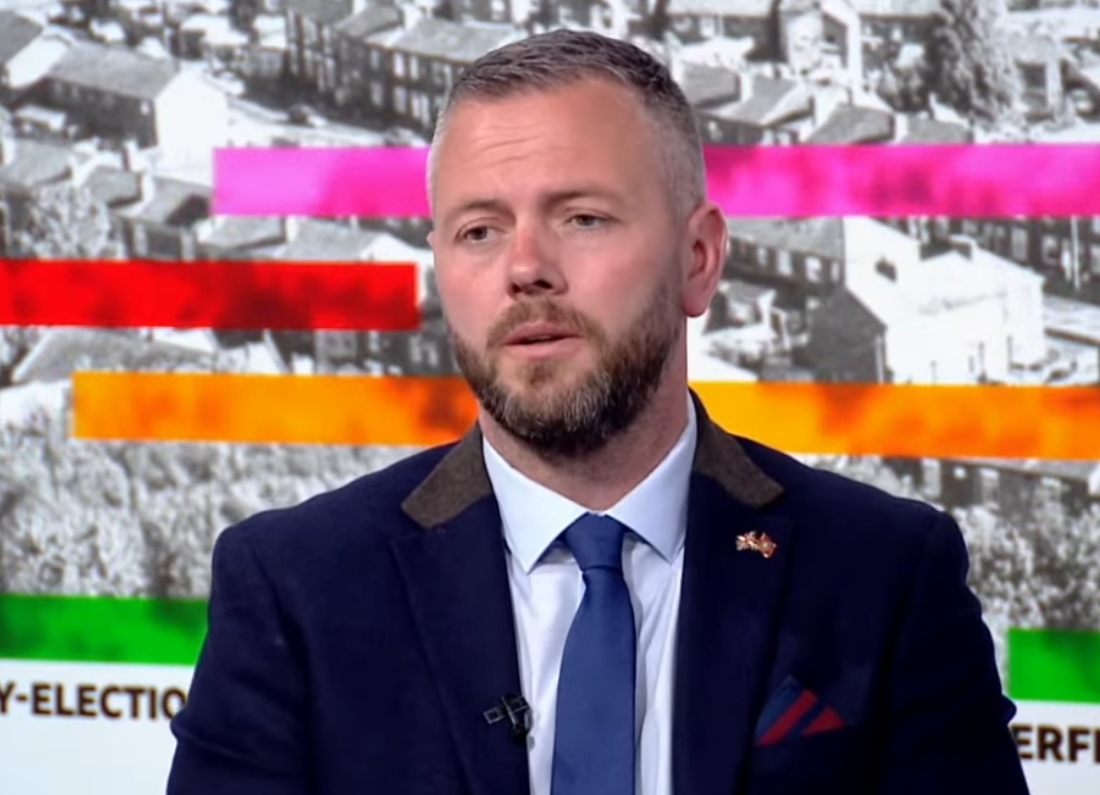
The previous Labour-run council operated a £2 million scheme providing free uniform vouchers to every school child across Wakefield regardless of household income. Reform has replaced it with a programme estimated to cost £700,000 – a saving of £1.3 million. Cabinet member for children and young people Matthew Caton described the decision as “common sense and what any responsible Council should be doing.”

Yvette Cooper, Foreign Secretary and MP for a Wakefield constituency, responded directly: “After only three weeks in power, Wakefield’s new Reform-led Council is cutting Labour’s local school uniform vouchers – cancelling them for more than 30,000 children across the district. The Council was helping all families with the cost of living – but now, thanks to Reform, thousands of working families will lose out.”
What Reform said – and what it means in practice
Caton’s defence of the cut was framed in the language of fiscal responsibility and targeted support. “The universal giveaway we inherited from the previous administration was never the best use of public money. It meant residents without school age children, who might also be struggling, could be subsidising better off parents. We are going to focus support on those who need it most.”
The £1.3 million saved, he said, would be invested in “other essential local services to improve the lives of our residents.”
The means-testing logic is not without internal coherence – the argument that universal benefits by definition include people who do not need them is a long-standing position across the political spectrum. But the specific application in Wakefield raises questions the council’s statement does not address.
The uniform vouchers went to all families with school-age children regardless of income. The families whose children now lose support are not the wealthy. They are working families who are above the free school meals threshold – which in England is set at net annual household earnings of £7,400 for most families, rising to £16,900 for Universal Credit claimants. A family earning £25,000 per year does not qualify for free school meals. They are also not wealthy. In a constituency with Wakefield’s specific economic profile, £337 per child per year for school uniform is a real cost.
The pattern of Reform cuts
This is the third significant community funding cut by a Reform council to generate major coverage in recent weeks. As we reported in our Durham Pride piece, Reform’s Durham council deputy leader Darren Grimes cut Durham Pride’s £2,500 council funding weeks after taking power, calling it “the professional offence industry.” Trade unions raised £15,000 to replace it. As we reported in our Reform first year in local government piece, Reform’s councils have also raised council tax despite promising to cut it, citing service pressures including home-to-school transport and SEND deficits.
The Wakefield cut is different in scale and in who is affected. School uniform support for 30,000 children across a district is not a small cultural programme. It is a measure that directly reduces the financial burden on families at the start of every school year. Removing it three weeks after taking power – before any meaningful assessment of the district’s needs, financial position or the impact of the change – follows the same template as Durham Pride: cut first, justify with fiscal responsibility language, move on.
As we reported in our 99 Reform councillors piece, Reform has lost approximately 99 councillors through expulsion, resignation and defection since it began winning seats at scale. The question of whether its governance record – in the councils where it has held power and in the new councils where it is just beginning – matches its campaign rhetoric about cutting waste and protecting working communities is being answered, council by council, decision by decision.
The cost of living context
The timing carries specific weight. Reform fought the May elections on a platform that included a cost of living message – the party that speaks for working communities squeezed by energy bills, inflation and declining public services. The Wakefield decision removes a direct cost of living measure – free school uniforms – from tens of thousands of working families in one of the areas where that squeeze is most acute.
A uniform for one child costs an average of £337. For a family with two school-age children that is £674. The new means-tested payment is £30 per eligible child. For families above the free school meals threshold but not comfortably off – the large majority of working households in Wakefield – Reform’s first significant decision is that they will receive nothing.
Caton’s argument that the money will go to “other essential local services” may yet prove correct. The £1.3 million saved could be applied to care, transport or services that benefit more people more significantly. That case remains to be made and evidenced. What is certain is that the families who received uniform vouchers last September will not receive them this September.




Leave a Reply