

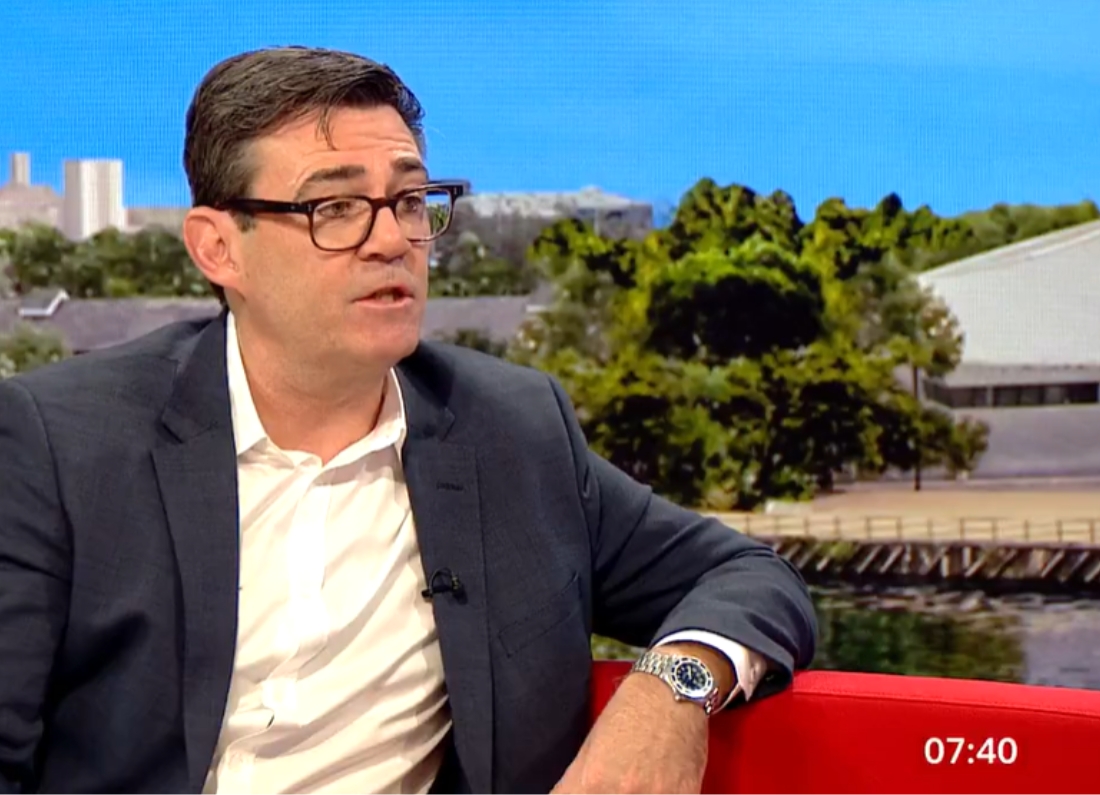
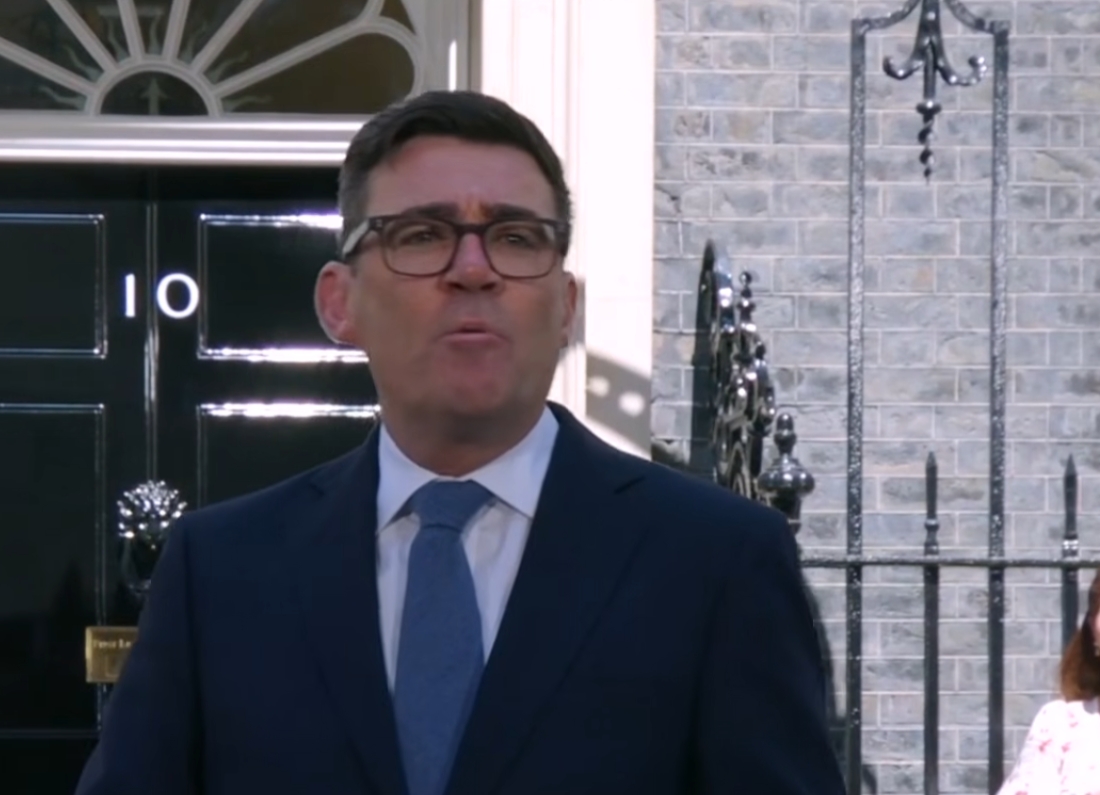
Prime Minister Andy Burnham has said Britain must be “bolder” about getting closer to the European Union as his government prepares for crucial negotiations over the UK’s post-Brexit relationship with Brussels.
Burnham made the intervention during talks with European Council president António Costa as the two leaders travelled by train to Kyiv on Sunday night. Downing Street said the pair agreed on the need for greater ambition in UK-EU relations ahead of a summit expected later this year. “The UK had to be bolder in terms of getting closer to the bloc,” a Downing Street spokesperson said of Burnham’s message to Costa. He wants Britain to build on the defence and security cooperation already established with European allies and push for greater cooperation across the wider relationship.
It’s one of Burnham’s clearest interventions on Europe since entering Downing Street. He’s still stopped short of advocating reversing Brexit, though, and has previously ruled out Britain rejoining the EU.
Burnham calls for ‘step change’
The meeting with Costa happened as Burnham travelled to Ukraine for his first visit since becoming prime minister. According to Downing Street, the two leaders agreed Britain and the EU should be ambitious about securing a “step change” in their relationship: “The prime minister met the President of the European Council António Costa on the train to Kyiv last night, as the two leaders travelled into the city to mark Independence Day. It was a vital moment to show unity and solidarity with Ukraine, the leaders agreed. Turning to the UK’s relationship with the European Union, the two leaders underlined the importance of being ambitious to drive a step change in relations. The UK had to be bolder in terms of getting closer to the bloc, the prime minister said.”
Burnham also held talks with Luxembourg’s prime minister Luc Frieden during the journey, setting out his ambition for Britain to get closer to the EU, with both leaders discussing the importance of cultural and educational links between Britain and Europe. The government’s approach will be tested at a UK-EU summit later this year, one originally expected under Starmer before being postponed following the change of prime minister.
What could getting closer to Europe actually mean?
This language matters because negotiations between Britain and Brussels are already hitting difficult questions about what each side is prepared to concede. One of the biggest disputes concerns a proposed youth mobility agreement, letting young British and European citizens more easily spend a limited period living, studying and working on the other side of the Channel. The EU’s pushed for a considerably larger scheme than some British officials have been prepared to accept. Recent reporting suggests UK officials had been considering a cap of around 50,000 participants, while Brussels has pushed for a figure exceeding 100,000.
The EU’s also sought more favourable tuition fees for European students at British universities, something that could get politically sensitive for Burnham given EU students have generally faced international tuition fees since Brexit rather than the lower domestic rates available to British students. The Financial Times reported on Monday that Starmer’s government had considered allowing as many as 100,000 young Europeans into Britain annually as part of attempts to secure better economic terms from Brussels, reportedly including granting EU students “home fee” status. Those plans were being weighed in exchange for economic concessions, including protecting British companies from potentially damaging European trade measures. Never agreed before Starmer left Downing Street, leaving Burnham to decide how much of the previous negotiating position he’s willing to keep.
Burnham rules out reversing Brexit
Despite calling for closer ties, Burnham says he doesn’t favour Britain simply rejoining the EU. During his Makerfield campaign before becoming prime minister, he warned that reopening the question of EU membership could leave Britain trapped in a “permanent rut” of Brexit arguments, a shift from comments earlier in his political career when he suggested he’d like to see Britain back inside the EU within his lifetime. His government’s instead pursuing closer cooperation while staying outside the bloc.
Hamish Falconer, Burnham’s minister responsible for EU relations, has said the government wants a “deeper” and “more ambitious” relationship with Brussels. But Labour’s existing red lines still rule out rejoining both the single market and customs union. Areas being explored include closer cooperation on trade and services, recognition of professional qualifications, and arrangements that could make it easier for British citizens to work temporarily in EU countries.
The Brexit battle is back
The political difficulty for Burnham will be showing that closer cooperation delivers tangible benefits without reopening the divisions that dominated British politics after 2016. The youth mobility negotiations illustrate the problem well. An agreement could give young Britons substantially more opportunity to work, study and travel in Europe. But letting larger numbers of young Europeans into Britain would also count toward migration figures, handing Reform an obvious line of attack against the government. There’s also the question of what Britain actually gets in return for concessions on migration or university fees.
This adds to the pressure already building on Burnham from other pro-European voices, including Sadiq Khan’s call to put rejoining the EU on the ballot at the next election, and Nick Boles’ proposal for a return to the single market specifically. Burnham himself has now publicly signalled he wants Britain to be more ambitious. The UK-EU summit later this year should give the first real indication of exactly how far he’s actually prepared to go.
One response to “Burnham calls for Britain to get closer to EU in major post-Brexit intervention”
-
Well I got excited about Stamers “Brit” Pet Passport scheme ❤️👍What ever happened to them? 🙄






Leave a Reply