

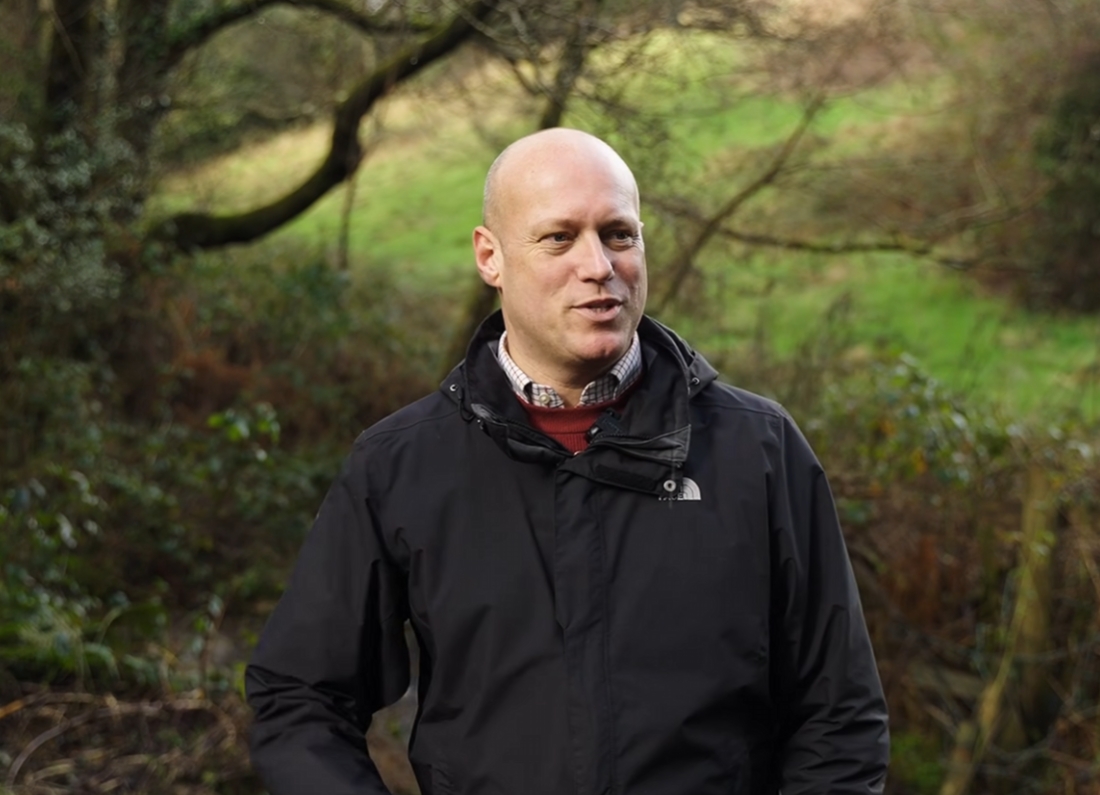
Reform UK’s leader in Wales has resigned after being arrested on suspicion of assault and engaging in controlling or coercive behaviour.
Dan Thomas, who was appointed to the role by Nigel Farage in February, has been released on bail while police continue their investigation. He has not been charged and insists he has done nothing wrong.
The resignation leaves Reform searching for a new Welsh leader just four months after Thomas took the party from having no representation in the Senedd to becoming its largest opposition group.
Thomas will remain a Member of the Senedd for Casnewydd Islwyn.
Dan Thomas denies wrongdoing
Gwent Police said a 45-year-old man from the Aberbargoed area was arrested on Sunday, 13 September, on suspicion of assault and controlling or coercive behaviour.
He was subsequently bailed pending further enquiries.
Thomas announced his resignation on Tuesday after missing First Minister’s Questions because of what Reform described as “personal circumstances”.
In a statement published by ITV News Wales, he said:
“Over the weekend, I was reported to the police and was released without charge. I stress that I have done nothing wrong.”
Thomas said he did not want the resulting headlines to distract from Reform’s work in the Senedd. He described leading the party in Wales as the “honour of my life” and promised to support whoever replaces him.
The distinction is important: an arrest is not a finding of guilt, and Thomas has not been charged with an offence.
His decision does, however, create an immediate political problem for Reform. Thomas was not simply another Senedd member. He was the man personally chosen by Farage to front the party’s attempt to break into Welsh politics.
Farage’s chosen leader
Thomas spent most of his political career in London, serving as a Conservative councillor in Barnet and leading the council between 2019 and 2022.
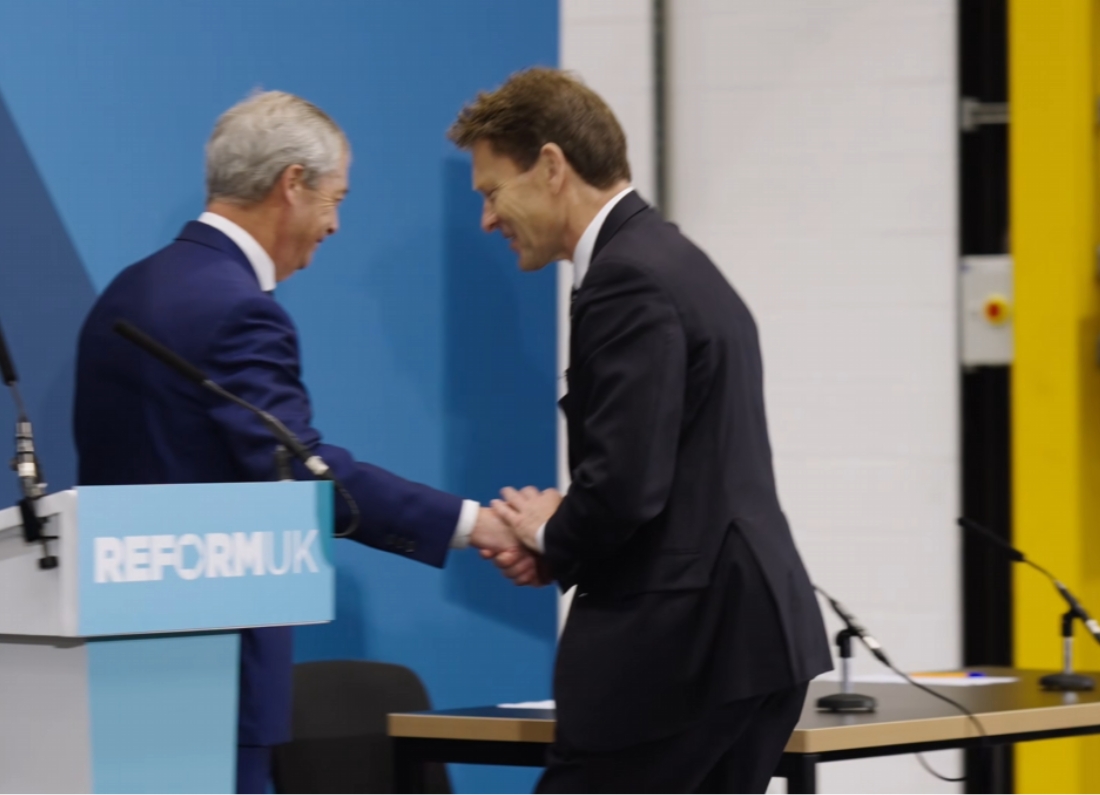
He defected to Reform in June 2025 before returning to Wales and being unveiled as the party’s Welsh leader at an event in Newport on 5 February.
Farage described him at the time as “decent”, “respectable” and hardened by his experience in local government.
Three months later, Reform won 34 of the Senedd’s 96 seats with 29.3 per cent of the vote, finishing behind Plaid Cymru but comfortably ahead of Labour and the Conservatives. Thomas became leader of the opposition and began talking openly about Reform being ready to take power if the Plaid government stumbled.
That was barely a fortnight ago.
Reform must now choose another leader while the police investigation continues and questions remain about whether Thomas can realistically retain his position as leader of the opposition.
There is also the small matter of what else happened on the day of his resignation.
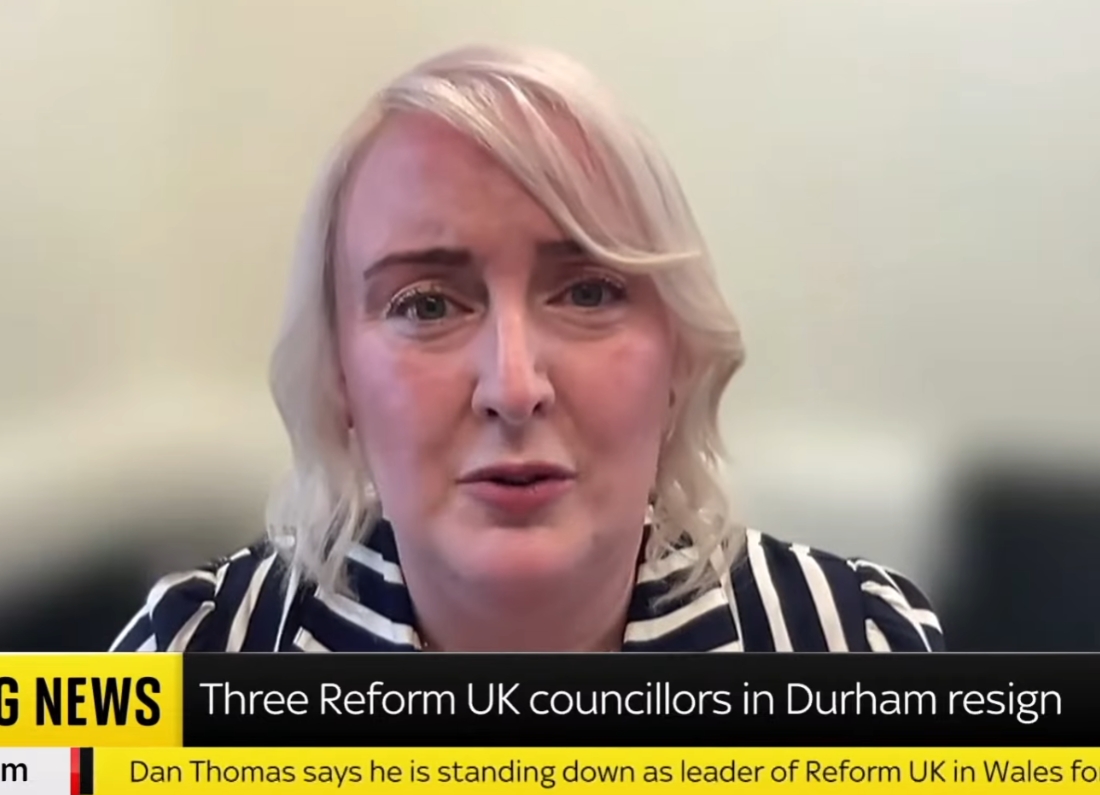
Sarah Cooper-Lesadd, elected as a Reform MS in May, defected to Plaid Cymru after accusing her former party of showing little interest in responsible government. She said Reform was more concerned with division and promoting Farage than improving life in Wales.
Losing an MS and a leader on the same day is awkward for any party. For one that spent the election insisting it was ready to govern, it is especially damaging.
Nathan Gill’s shadow over Reform in Wales
Thomas’s departure also revives memories of another former Reform leader in Wales: Nathan Gill.
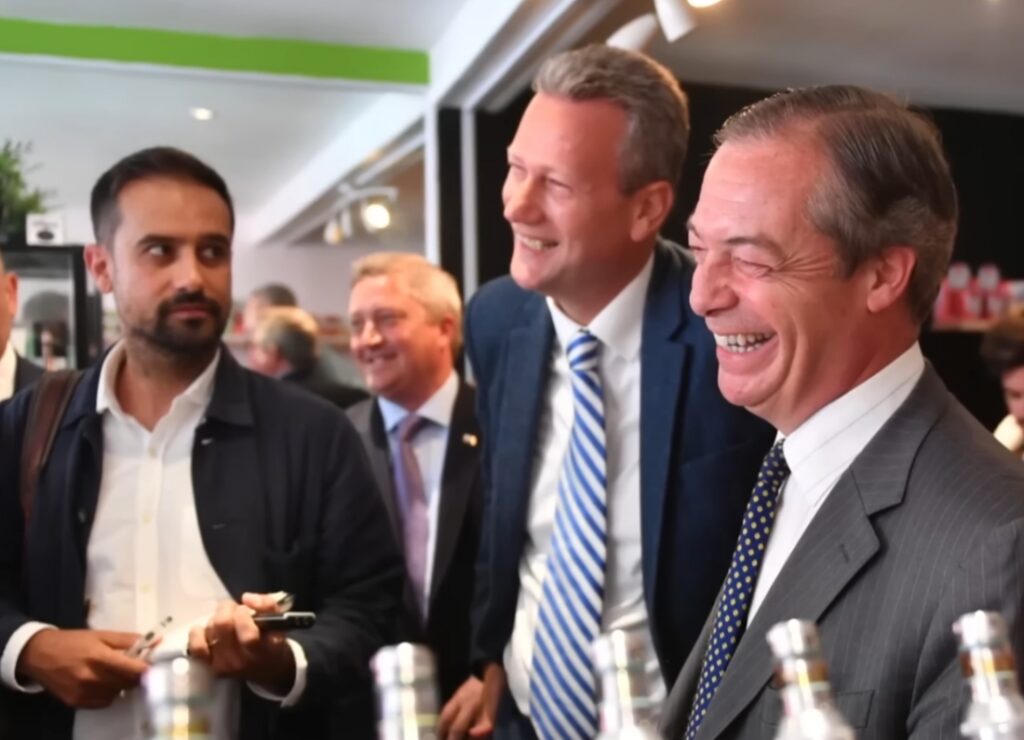
Gill, who had previously represented UKIP in both the Senedd and European Parliament, briefly led Reform UK in Wales in 2021.
In November 2025, he was sentenced at the Old Bailey to ten and a half years in prison after pleading guilty to eight counts of bribery.
According to the Crown Prosecution Service, Gill accepted approximately £40,000 between 2018 and 2019. The payments were made in return for advancing pro-Russian positions while he was an MEP, including making speeches and arranging parliamentary activity.
Those offences took place before Gill became Reform’s Welsh leader, and they have no connection to the allegations involving Thomas. Gill was convicted after pleading guilty; Thomas denies wrongdoing and has not been charged. They should not be blurred together.
Politically, though, Reform cannot escape the fact that two men who have occupied its Welsh leadership are now associated with serious criminal matters — one through a conviction and the other through an investigation.
Gill’s activities were condemned by Reform as “reprehensible” and “treasonous”. The party argued that it had been deceived about his conduct and sought to distance Farage from the former MEP.
Thomas was meant to offer something different: an experienced local-government figure capable of turning a rapidly growing protest party into a credible opposition. Instead, Reform is once again trying to explain why its Welsh leadership has unravelled.
Reform faces an early test in the Senedd
The party’s 34-seat breakthrough was one of the biggest stories of May’s election. Reform went from the political margins to within striking distance of power in Cardiff Bay.
That success brought a new challenge. Winning seats is one thing; keeping a large and inexperienced group disciplined is another.
Reports of internal friction had already followed Thomas’s appointment, which was widely seen as a decision imposed by Reform’s UK headquarters. Cooper-Lesadd’s defection has now given those complaints a public face.
Thomas says he will continue serving his constituents and fully support his successor. Reform, meanwhile, needs to decide who leads its Senedd group and how it prevents a police investigation from consuming the opposition it built only months ago.
Farage chose Thomas to provide stability. His replacement will inherit rather less of it.





Leave a Reply