

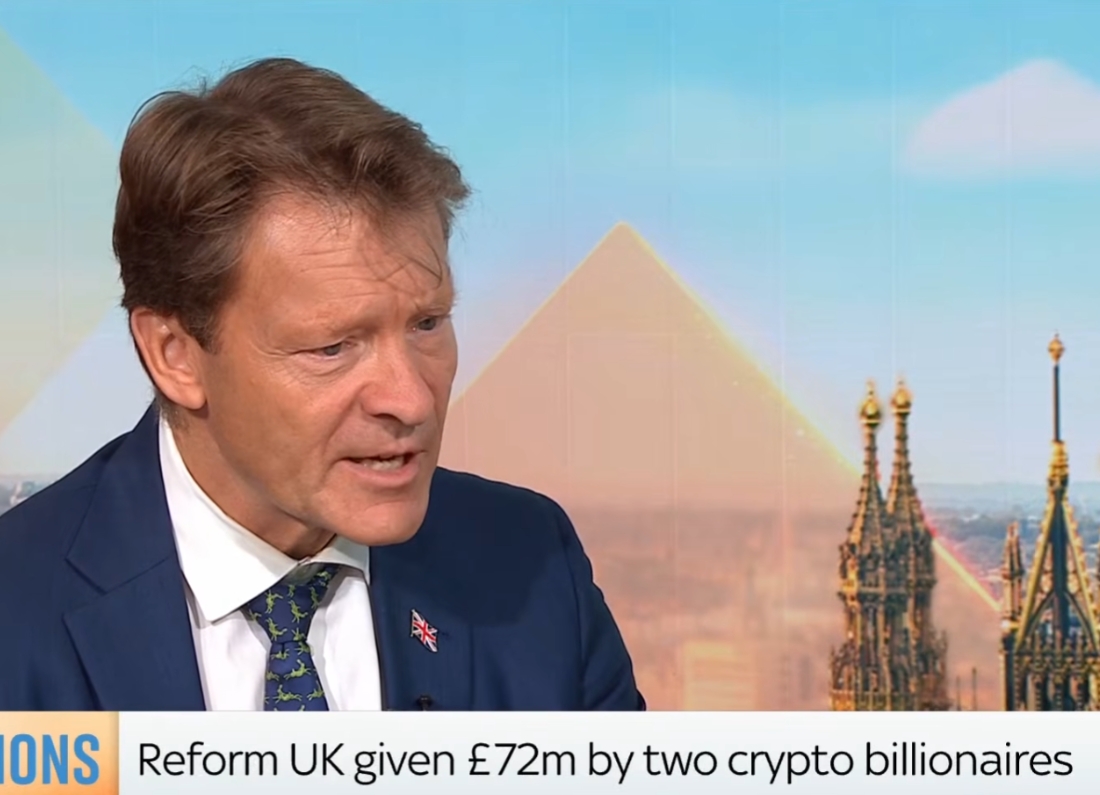
Richard Tice has insisted Reform UK’s compliance team checked its record £72 million donations after he was challenged to explain where the party’s two billionaire backers live.
The Reform deputy leader said he was confident that the £36 million payments from Ben Delo and Christopher Harborne complied with existing law and legislation currently passing through Parliament.
However, he would not provide precise dates showing when the two cryptocurrency billionaires returned to Britain.
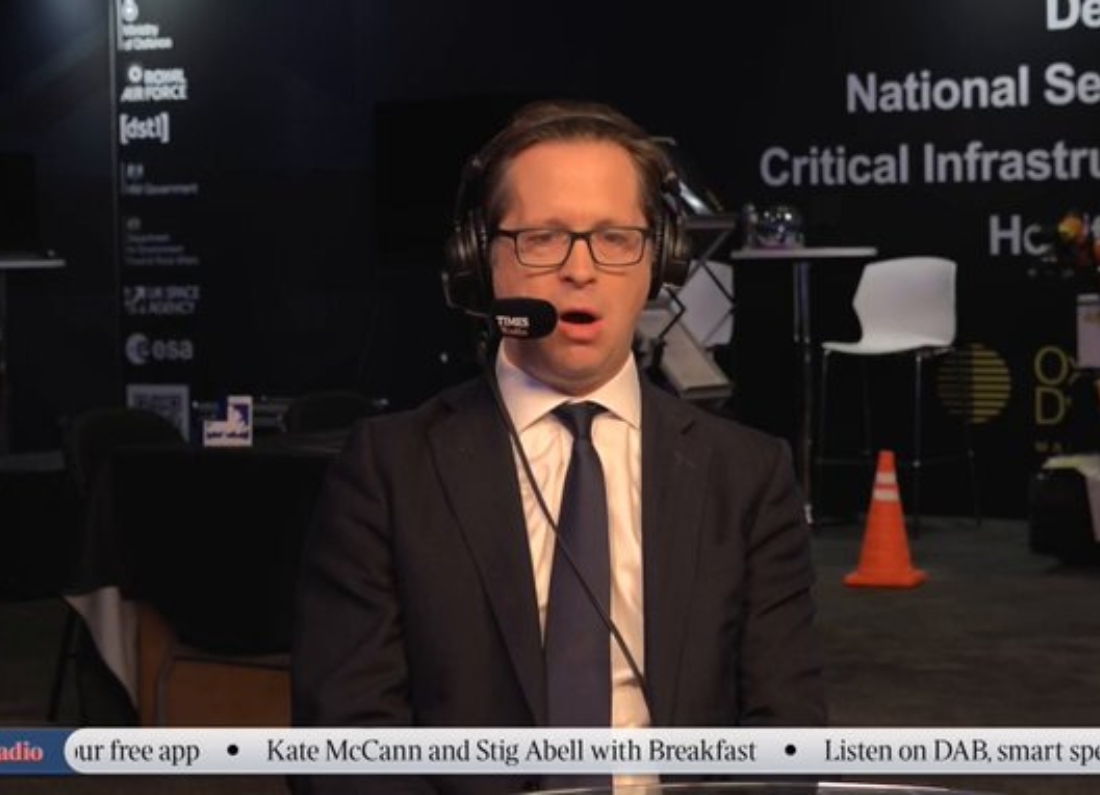
Asked for details about their residency during an interview on BBC Radio 4’s Today programme, Tice replied:
“I’m not their executive assistant responsible for their day-to-day diary.”
He also told Sky News that he was not responsible for Delo’s specific “bedroom arrangements” when pressed on exactly when the businessman returned from Hong Kong.
The questions could determine whether Reform is allowed to keep the full £72 million or is required to return most of it under new restrictions covering overseas-linked political donations.
Tice pressed over donors’ return to Britain
Delo, a co-founder of the BitMEX cryptocurrency platform, had been living in Hong Kong before returning to Britain.
Tice told the BBC that Delo moved back “many, many months ago” but declined to provide a date.
Harborne has spent years based in Thailand, where he also holds citizenship. He remains registered to vote in the UK, but Tice would not say how much time the businessman spends in Britain.
Tice became frustrated as broadcasters repeatedly asked him to clarify the men’s residency arrangements.
Speaking to Sky News, he said Reform understood that both donations complied with the law currently in force and with the proposed restrictions before Parliament.
He said:
“We’ve taken all the advice from the best brains in the land, and we’re very confident in our understanding.”
Tice added that Delo had returned to Britain before the relevant rules and regulations took effect.
When Sophy Ridge asked exactly when that happened, he answered:
“I’m not responsible for his specific bedroom arrangements on which week, on which month, but it complies.”
Reform sources separately told Sky News that both donors were believed to have moved back to Britain before 25 March, the date used by the Government for part of its retrospective regime.
Why the dates could decide what happens to the money
The Representation of the People Bill would impose an annual £100,000 limit on donations from British citizens registered as overseas electors.
It would also create a minimum-residency period for people returning from abroad. A donor could remain subject to the cap until they had lived in Britain for a full calendar year.
The Government’s response to the Rycroft Review says restrictions affecting registered overseas electors will apply to donations made on or after 25 March 2026.
Separate provisions would cover some people who were not registered as overseas electors and moved to Britain after the Government published its full response on 6 July.
The final result will depend on the donors’ electoral and residency status, when they returned and how the legislation is applied after becoming law.
Sir Philip Rycroft, who conducted the independent review into foreign financial interference, said recently returned donors would generally need to have lived in the UK for at least one complete calendar year before being treated as domestic donors.
He did not comment on whether Delo or Harborne personally fell within the restrictions.
Reform says its compliance department checked
Tice said Reform’s internal compliance team had examined the payments and was satisfied that they were permissible.
Under the rules currently in force, there is no general cap on the amount an eligible individual can give to a political party.
The Electoral Commission says parties are responsible for checking whether money comes from a permissible source and reporting qualifying donations to the regulator.
No finding has been made that either £36 million payment broke the present law.
The uncertainty concerns the retrospective provisions that the Government intends to enact.
Schools minister Georgia Gould said the rules had deliberately been designed to apply retrospectively. She argued that without backdating, donors could rush large payments through before the legislation came into force.
If a donation is found to exceed the new overseas-elector limit, the excess would need to be returned after the relevant provisions commence.
Tice accused Labour of trying to change the rules to prevent competition from Reform and described the proposed approach as “very un-British”.
Asked whether the party might challenge the legislation in court, he said:
“Let’s hope that common sense applies.”
Farage’s separate £5 million gift questioned again
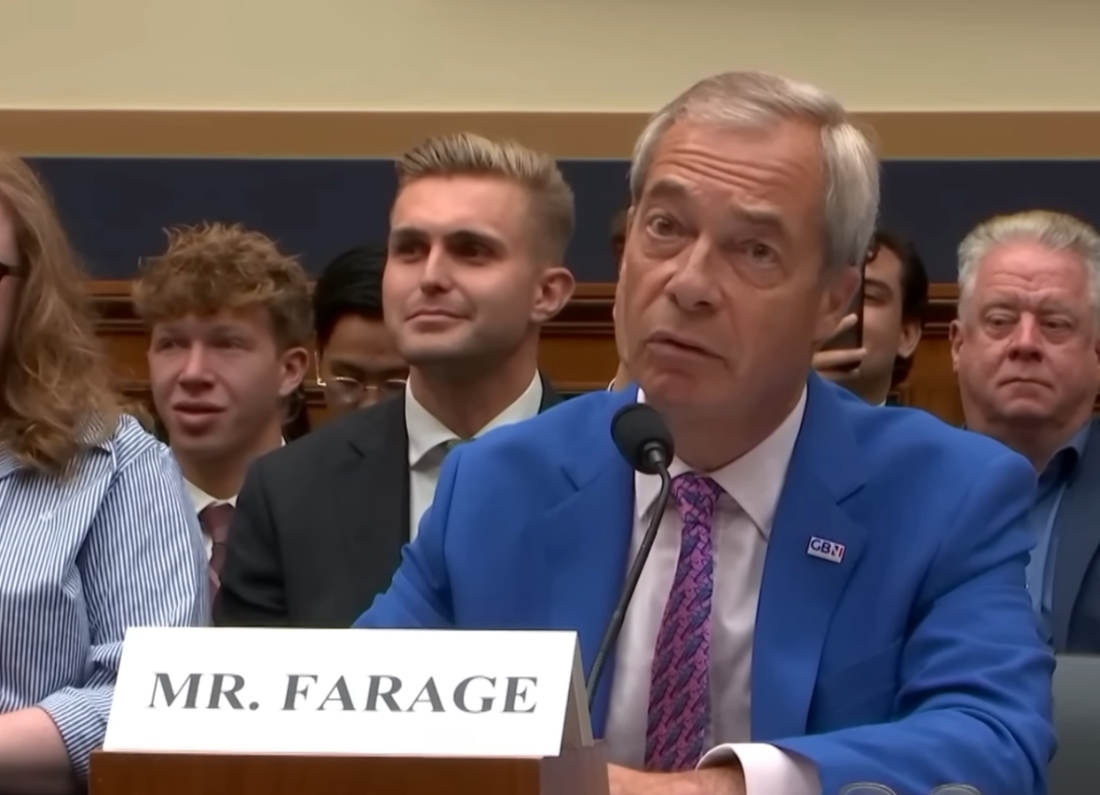
The interviews also returned to Harborne’s separate £5 million personal gift to Nigel Farage.
The money was given before Farage returned to Parliament in 2024 and has become the subject of an investigation by the Parliamentary Commissioner for Standards.
Farage says it was an unconditional personal gift intended to provide long-term financial security after threats against him. He has also described it as a reward for his years campaigning for Brexit.
Questions have been raised about whether it should have been declared after Farage became an MP and whether the timing had any connection to his decision to contest the 2024 general election.
Both Farage and Harborne reject suggestions that the gift purchased political influence.
Tice was challenged over what Harborne expected in return for the £5 million and his extensive financial support for Reform.
He said he did not manage the private relationship between the donor and Farage and repeated the party’s position that Harborne had not asked for personal rewards.
The billionaire has said he wants neither a peerage nor a policy change in exchange for his money.
There is no suggestion that Harborne’s latest £36 million party donation forms part of the parliamentary investigation into Farage’s personal gift.
Two donations transformed Reform’s finances
Delo’s £36 million payment was reported as the largest single donation from a living person to a British political party.
Harborne matched it within 48 hours, saying his “competitive spirit” inspired him to provide the same amount.
The £72 million could allow Reform to expand its headquarters, employ experienced campaigners in target constituencies and recruit policy specialists as it prepares for the next general election.
Farage says the money will give Reform a more level financial footing with Labour and the Conservatives.
Critics believe the scale of the payments strengthens the case for a universal limit on individual political donations.
Labour MP Stella Creasy proposed a £100,000 annual cap covering most domestic donors. Her amendment secured support from 60 MPs across several parties but was not put to a vote after the Government agreed to refer the issue to a taskforce.
There is currently no overall limit covering a long-term UK resident who wishes to make a multimillion-pound donation.
For Reform, the immediate issue is more specific. Its leaders say the compliance work has been completed and the money is safe.
Until the donors’ precise residency circumstances are disclosed or assessed under the final legislation, that claim is likely to face further questioning.




Leave a Reply