


Nigel Farage’s public ratings have fallen to their worst level in YouGov’s decade-long tracker, with almost seven in ten Britons now holding an unfavourable opinion of the Reform UK leader.
The YouGov survey found that 69 per cent of respondents viewed Farage unfavourably, including 57 per cent who regarded him “very unfavourably”.
Only 24 per cent expressed a favourable opinion, giving him a net favourability rating of minus 45.
That represents a substantial decline over the past year. Farage’s net rating stood at minus 31 in September 2025, meaning it has fallen by 14 points in 12 months.
However, the precise timing of the survey matters. Fieldwork was completed before Reform received £72 million from cryptocurrency billionaires Ben Delo and Christopher Harborne. The figures therefore cannot show how voters have reacted to those extraordinary donations.
YouGov records Farage’s highest unfavourability
YouGov questioned 2,099 adults across Great Britain on September 9 and 10.
Its published results show that Farage’s 69 per cent unfavourability figure is the highest recorded since the organisation began tracking opinions of him ten years ago.
The change from August, when 67 per cent viewed him unfavourably, is within the poll’s margin of error. His overall net rating has moved only slightly, from minus 44 to minus 45.
The longer-term movement is more significant.
Farage’s net rating has fallen from minus 31 to minus 45 since September 2025, while the proportion viewing him favourably has declined from the levels recorded during Reform’s strongest period.
Britons are now almost three times as likely to hold an unfavourable opinion of him as a favourable one.
Farage is negative even among Conservative voters
Farage remains popular with most people who voted Reform at the 2024 general election.
The full polling tables show that 75 per cent of those voters retain a favourable opinion of him, compared with 21 per cent who view him unfavourably. That gives him a positive net score of 54 among the party’s previous supporters.
The picture is markedly different among Conservative voters, a group Reform needs to attract if it is to overtake the Tories permanently.
Among people who voted Conservative in 2024, 43 per cent view Farage favourably while 52 per cent have a negative opinion. His net rating with those voters is minus nine.
His numbers are substantially worse among voters from progressive parties. Farage records net ratings of minus 77 with Labour voters, minus 80 with Liberal Democrats and minus 91 with Green voters.
Even among people who voted Leave in the 2016 referendum, opinion is almost evenly divided. Some 45 per cent view him favourably and 48 per cent unfavourably.
Farage trails the other major party leaders
Farage’s rating is considerably worse than those recorded for the other principal party leaders.
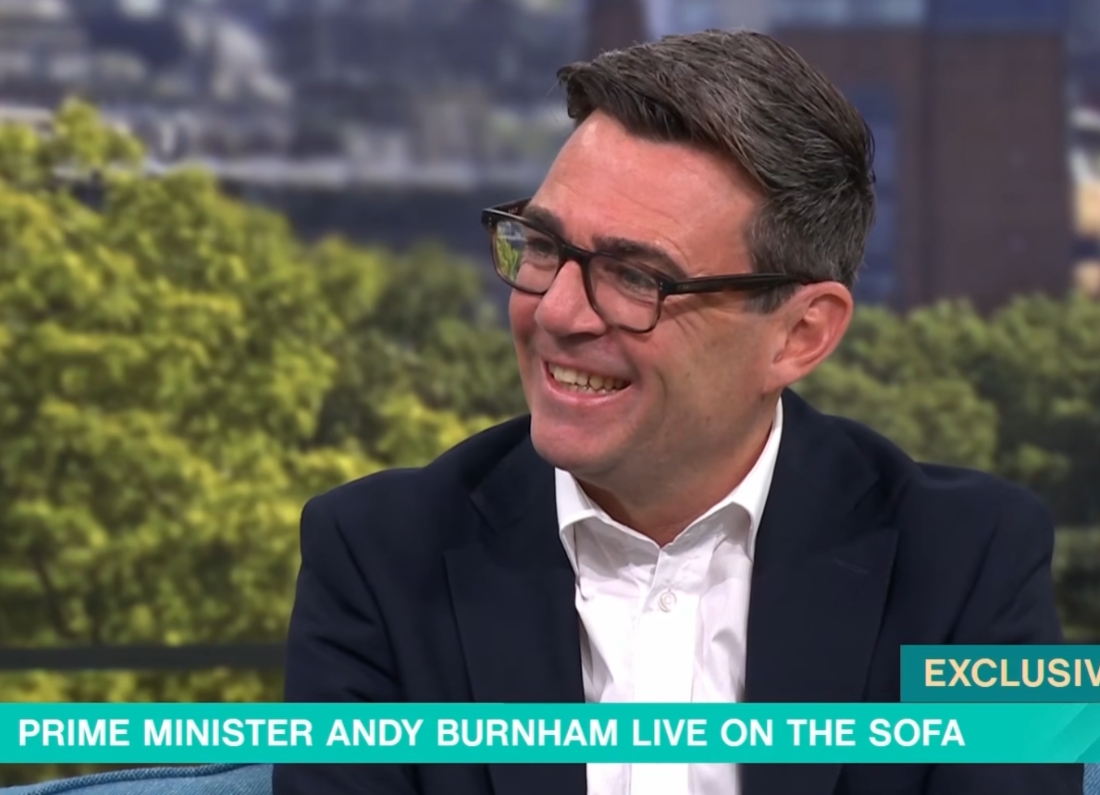
Prime Minister Andy Burnham is the only one with a positive overall rating. YouGov found that 46 per cent viewed him favourably and 39 per cent unfavourably, leaving him on plus seven.
Burnham’s negative rating has increased by six points since August, suggesting that some of his initial popularity following his arrival in Downing Street may be beginning to fade. He nevertheless remains far ahead of his opponents.
Liberal Democrat leader Ed Davey has a net rating of minus eight, while Conservative leader Kemi Badenoch stands at minus 15.
Green leader Zack Polanski is on minus 29, with 21 per cent viewing him favourably and 50 per cent unfavourably.
Farage is therefore the least popular of the five leaders measured, both by his net score and by the proportion of respondents expressing a negative opinion.
Survey came before Reform’s £72 million windfall
The findings were published while Reform was facing an intense new row over its funding, but the survey itself closed before the party’s latest donations were announced.
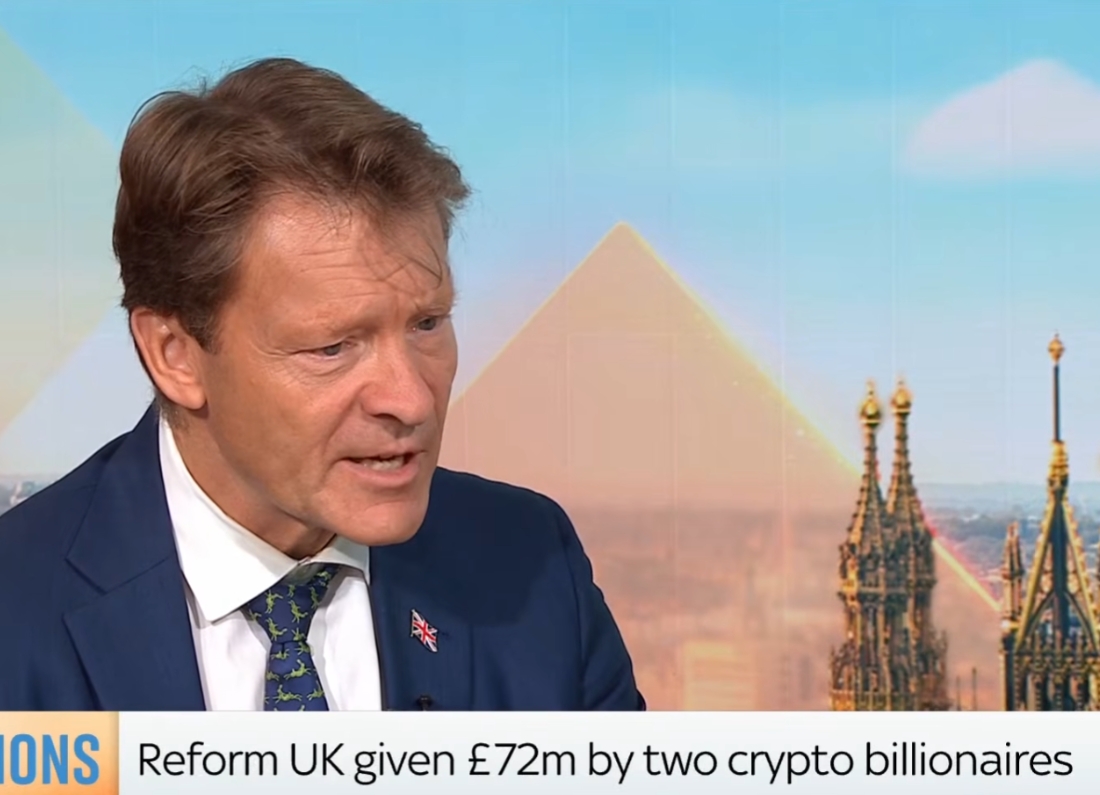
Delo and Harborne each reportedly gave Reform £36 million, providing a total of £72 million in 48 hours.
The payments have prompted questions about whether Britain should introduce a general cap on individual political donations and whether new restrictions contained in the Representation of the People Bill could affect Reform’s ability to retain the money.
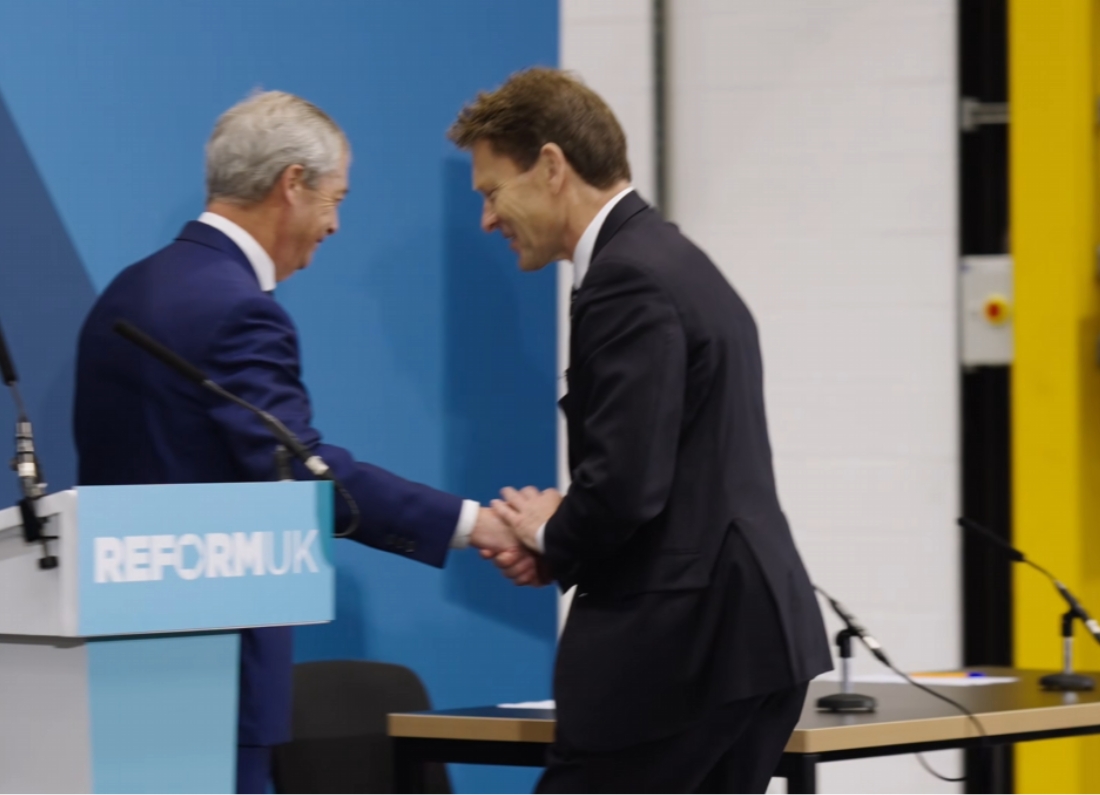
Reform says the donations comply with existing rules and the proposed legislation. Deputy leader Richard Tice has declined to give precise dates for when the two donors returned to Britain, arguing that he is not responsible for their daily arrangements.
The polling cannot be presented as a public response to those two payments because they were revealed after the fieldwork finished.
It does, however, capture opinion following Reform’s Birmingham conference and the emergence of separate allegations concerning possible attempts to circumvent foreign-donation rules.
A separate YouGov survey found that 73 per cent of Britons considered Farage at least fairly “sleazy”, while 71 per cent applied the same description to Reform UK.
Reform denies breaking electoral law and says it is cooperating with investigations into its finances.
Reform remains competitive despite Farage’s ratings
Farage’s poor personal numbers have not yet removed Reform from contention in national voting-intention polling.
A YouGov voting-intention poll conducted on September 6 and 7 placed Reform and Labour level on 23 per cent, with the Conservatives on 20 per cent.
That gap between Farage’s personal rating and his party’s support suggests some voters remain willing to consider Reform despite having reservations about its leader.
The new donations also give the party the resources to employ organisers, expand its policy operation and campaign heavily in target constituencies.
Money alone cannot repair a leader’s public standing, however. YouGov’s figures show that Farage remains popular with Reform’s core vote but faces substantial hostility everywhere else — including among many of the Conservative voters his party needs to win.



Leave a Reply