


Nigel Farage’s attempt to seize back control of the political conversation does not appear to have arrested Reform UK’s recent slide in the polls.
Fresh voting intention figures from More in Common show Reform dropping another point, while Labour and the Green Party both make gains, reinforcing a trend already identified by YouGov and other pollsters over the past fortnight. Reform remains in first place nationally, but the party’s commanding lead has narrowed considerably, raising fresh questions about whether its extraordinary polling surge earlier this year has begun to lose momentum.
A second poll tells the same story
More in Common’s latest Westminster voting intention poll puts Reform UK on 26%, down one point since its previous survey. Labour climbs to 22%, level with the Conservatives, while the Greens rise two points to 12%. The Liberal Democrats also edge up to 12%.
The numbers closely mirror YouGov’s recent findings, which also recorded Reform slipping back after several months of dominance. While one poll can often be dismissed as statistical noise, multiple polling companies identifying movement in the same direction tends to attract greater attention from political strategists.
Only a few weeks ago Reform was regularly polling around or above the 30% mark. Today the picture looks rather different.
Has Farage’s gamble worked?
The polling comes after one of the most dramatic weeks in modern British politics. Facing continued scrutiny over an undeclared £5 million gift from crypto billionaire Christopher Harborne and an ongoing Parliamentary Standards investigation, Farage resigned as MP for Clacton before immediately announcing he would stand again in the resulting by-election.
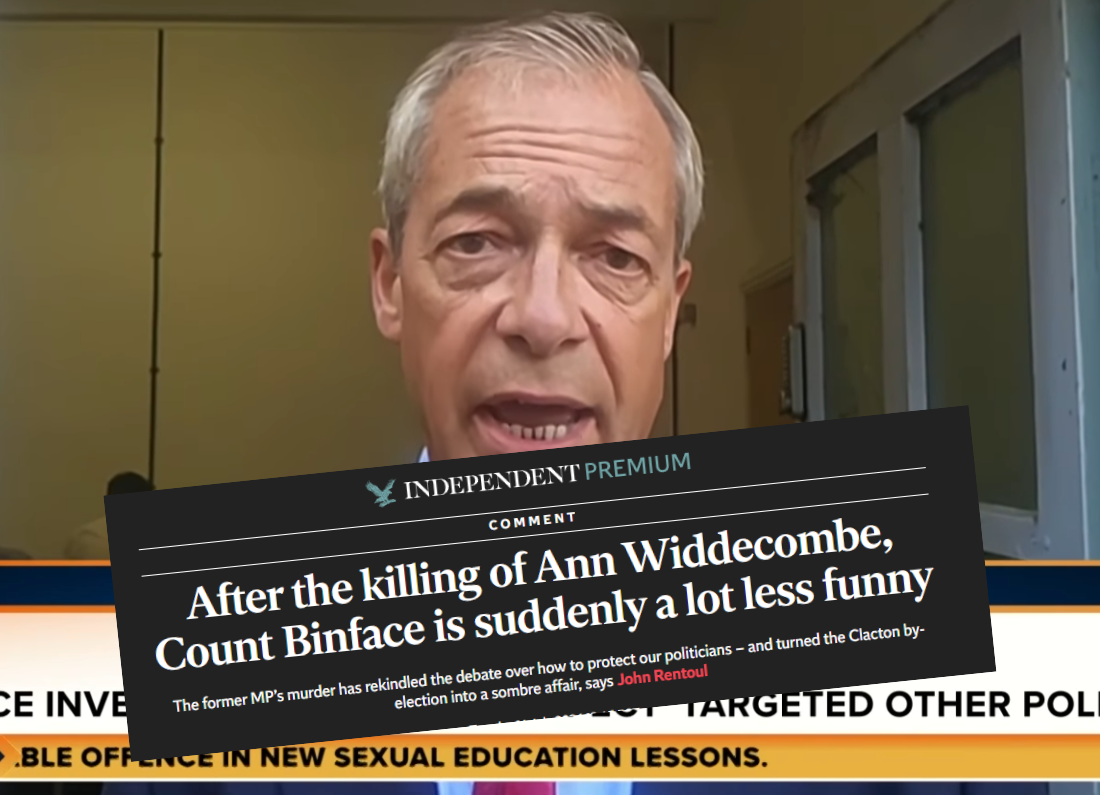
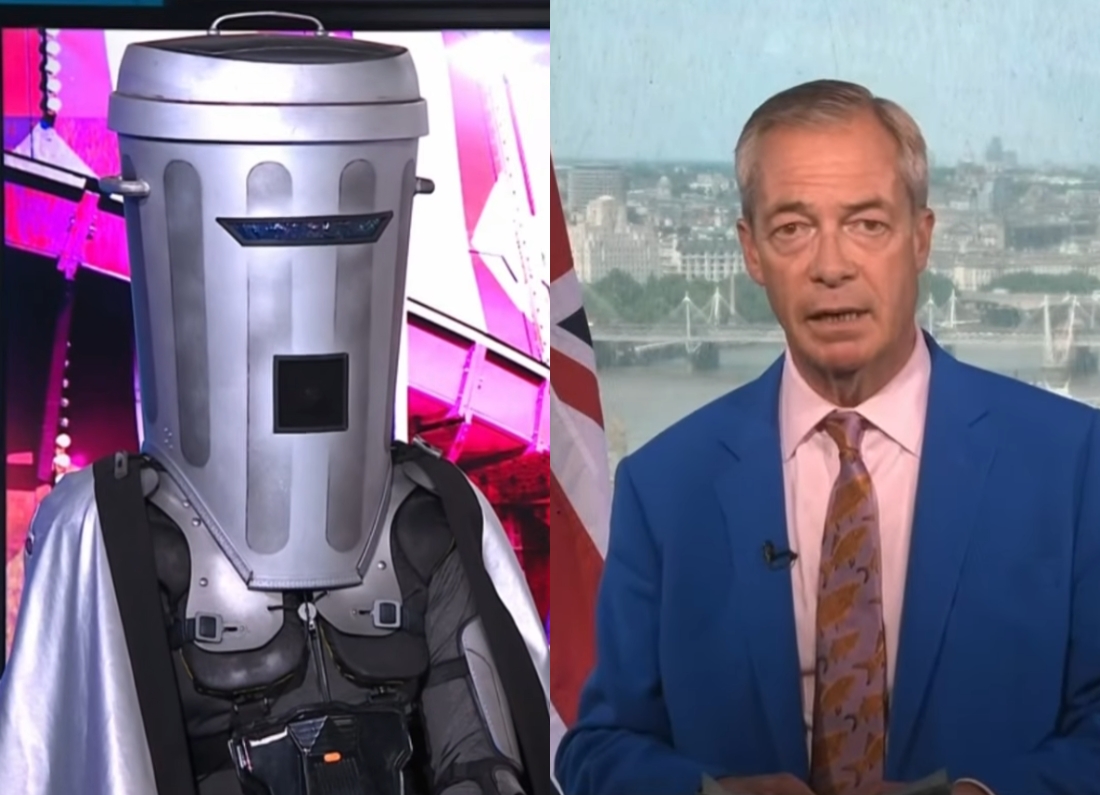
Farage argued voters, rather than Westminster, should judge his conduct. Instead of resetting the political narrative, however, the decision has generated days of headlines focused on his finances, security arrangements and the unusual spectacle of a head-to-head contest with Count Binface after the major political parties declined to stand candidates.
Whether that strategy has helped or hindered Reform remains impossible to prove directly, but the polling trend since the announcement has certainly not shown the bounce some in the party may have hoped for. Even at Keir Starmer’s final PMQs before summer recess, all three main party leaders reached for the same joke at Farage’s expense, suggesting the byelection has become a genuine liability rather than the vindicating showdown Farage wanted.
Labour may be benefiting
The latest More in Common figures also suggest Labour is beginning to stabilise following its difficult spell in office. The party’s one-point increase narrows Reform’s advantage to four points, while political observers will inevitably wonder whether Andy Burnham’s arrival in Downing Street is beginning to produce an early boost in Labour’s fortunes.
It is still far too early to describe this as a sustained recovery. But after months dominated by stories about Labour losing ground, even modest upward movement will be welcomed by ministers.
The Greens continue to build
Perhaps the most consistent trend across recent polling has been the Green Party. More in Common records Zack Polanski’s party climbing two points, echoing broader polling which has repeatedly shown the Greens establishing themselves well into double figures nationally.
That matters because Green support increasingly appears to be coming from voters dissatisfied with Labour rather than simply attracting traditional environmental campaigners. The party has steadily expanded its appeal on housing, public services, wealth taxation and political reform, helping it maintain momentum even as attention remains focused on Reform and Labour.
Reform is still ahead, but the gap is closing
None of this means Reform is suddenly in trouble. On 26%, it remains Britain’s largest party in this poll. But politics is often driven as much by direction as by absolute numbers.
A month ago the conversation centred on whether Reform could become Britain’s first party to break permanently above 30%. Today the discussion is increasingly about whether the party has already reached its high-water mark.
Recent polls from YouGov, Opinium, Ipsos and now More in Common all point towards Reform easing back from its peak, even if they disagree about the precise scale of the movement. A separate Ipsos survey specifically asked whether voters preferred Farage or Count Binface to win the Clacton byelection, and found more people backing the satirical candidate, a striking indicator of how far Farage’s personal standing has slipped even as his party’s national numbers hold up comparatively better.
Plenty can still change
Polls remain snapshots rather than predictions. Reform continues to lead nationally and British politics has become increasingly volatile, with public opinion capable of shifting rapidly in response to major events.
But there is now enough evidence to suggest this is more than a one-off statistical wobble. Whether the recent controversies surrounding Farage’s finances, the Clacton by-election or wider questions about Reform’s direction are beginning to influence public opinion will become clearer over the coming weeks.
For now, the picture is becoming harder to ignore. The momentum that once appeared unstoppable is no longer moving in only one direction.


![Crypto Toll And Passcode? Iran's New Hormuz Status Quo [YouTube]](https://thedailybritain.co.uk/wp-content/uploads/2026/04/donaldtrumpstraitofhormuz.jpg)

Leave a Reply