

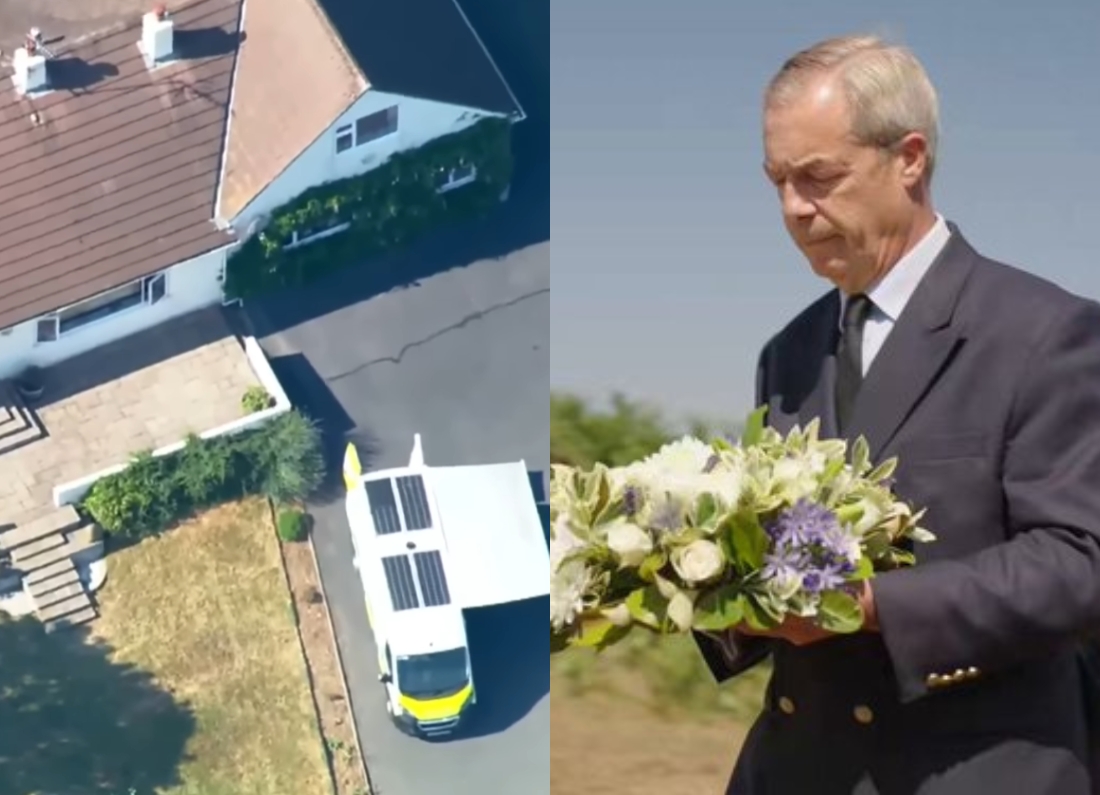
Nigel Farage has been accused of exploiting the murder of Ann Widdecombe for “political propaganda,” as policing leaders called for an end to public speculation about the case.
The Reform UK leader said he believed the death of the former Conservative MP turned Reform spokesperson was “premeditated murder,” and discussed lines of inquiry with reporters after arriving in her village on the edge of Dartmoor on Saturday, at the height of the police’s active murder investigation.
The criticism
Harvey Proctor, a former Conservative MP and close friend of Widdecombe, said Farage’s public pronouncements were “deeply disappointing.” He told the Times: “Ann Widdecombe was far too dear to her family, friends and former colleagues for her murder to be exploited as political propaganda. The police have expressly asked the public not to speculate about the motive. It is therefore deeply disappointing that Nigel Farage has chosen to do precisely that.”
Proctor, who has previously written about how Widdecombe offered him kindness and rare public support when he was falsely accused by a fantasist of running a VIP paedophile sex ring, said he agreed with Farage that “politicians require greater protection,” but argued that leadership “requires discipline.” He said: “It requires placing the integrity of a murder investigation above the demands of the news cycle, and a political agenda.”
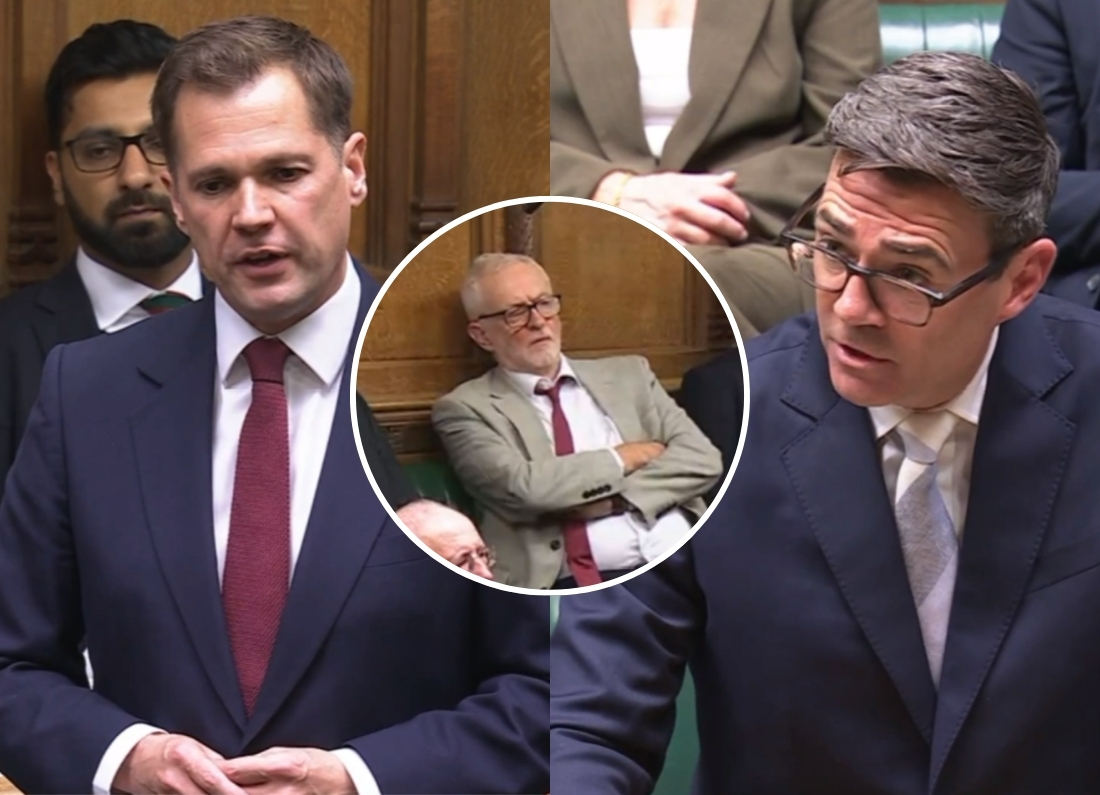
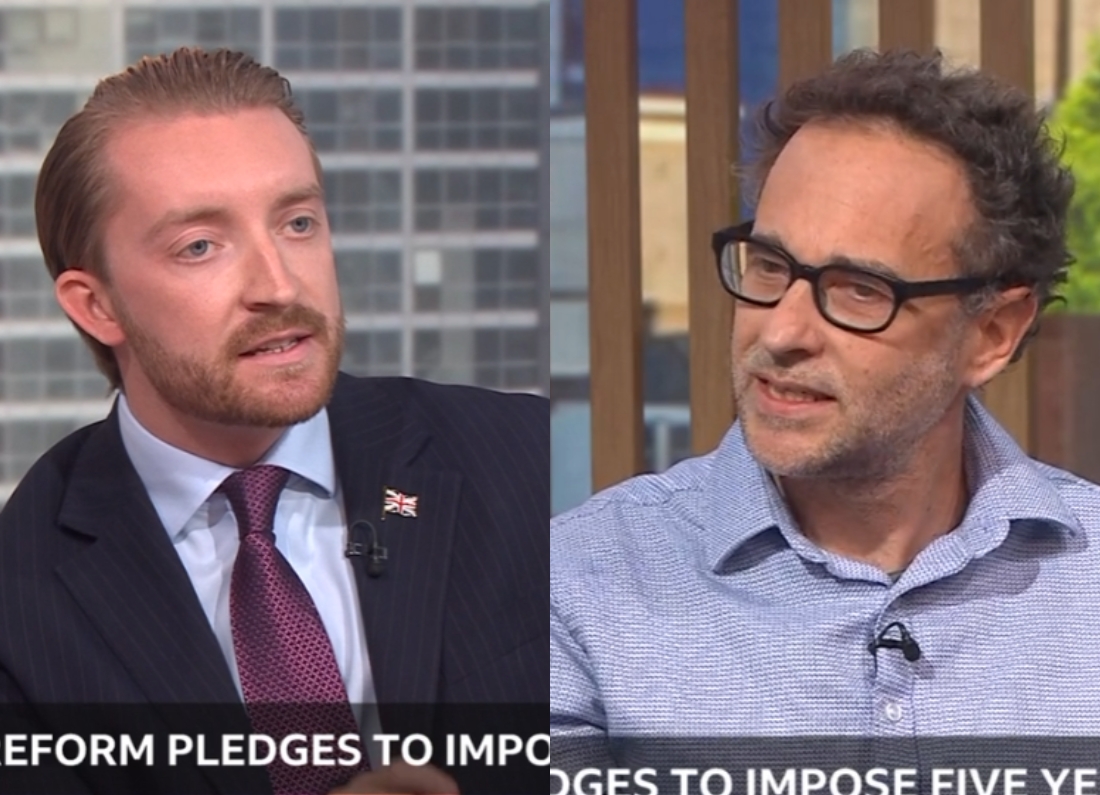
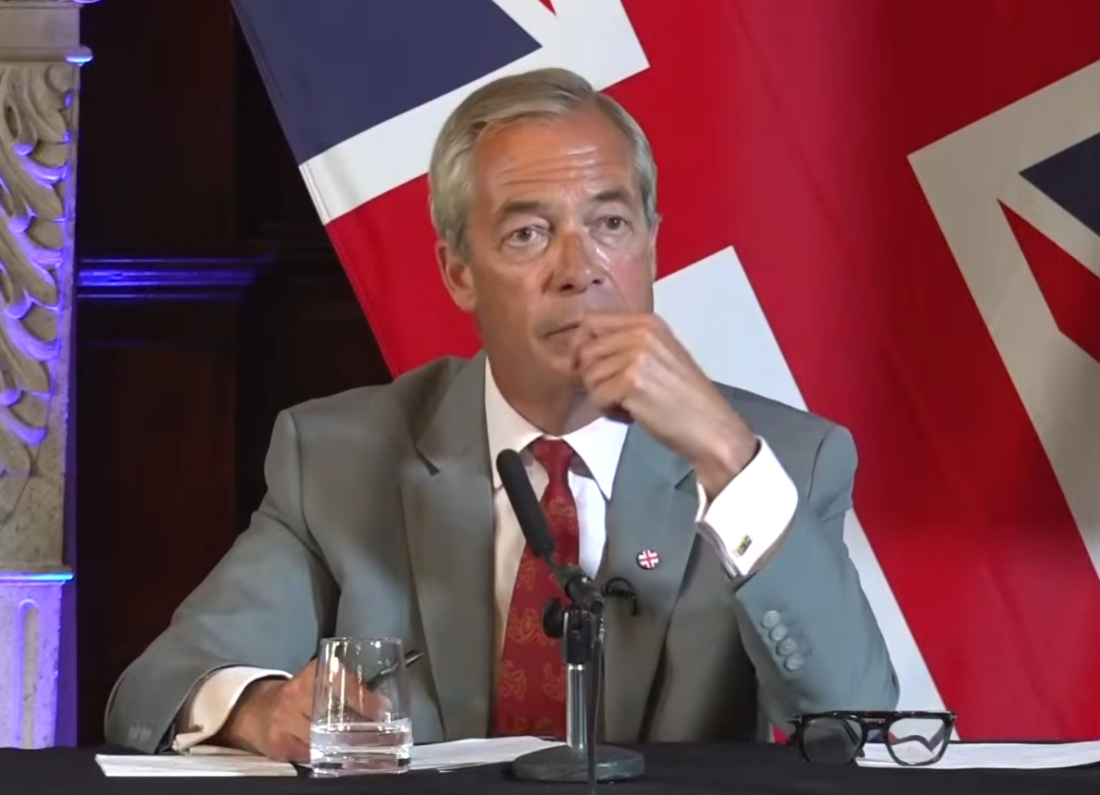
Others on X called out Farage:
1.
2.
3.
4.
5.
What Farage said
Farage told reporters on Saturday, before police arrested a 28-year-old man in South Yorkshire on suspicion of murder, that he did not believe Widdecombe’s killing was “a burglary that went wrong.” Widdecombe was found dead at her home near Haytor, Devon, on Thursday. Police believe she was attacked shortly after midday the previous day.
Farage claimed a car had been parked on her drive at the time she was attacked. “The car went on to the drive at approximately 12.30pm on Wednesday,” he said. “If you were a burglar, would you literally drive your car on to someone’s drive? You wouldn’t. From what I can see of it, from what I can make out, this was premeditated murder.”
He added: “Whether it was politically motivated, whether it was somebody with a grudge, I don’t think it pays at this moment in time to speculate, but what I do think we can say and how extraordinary of course that David Amess was such a very, very close friend of Ann’s. What it does say is that people now in private life, especially politics, the world is very much more dangerous than it has ever been.”
The police response
In a statement released on Friday, Matt Longman, assistant chief constable of Devon and Cornwall Police, said: “I would ask people not to speculate about what might have happened, particularly on social media. This is not only potentially harmful to our investigation but also deeply distressing for family and friends of Miss Widdecombe.”
The Mail on Sunday reported that a “highly placed source” had said Widdecombe’s family “don’t want her death hijacked for political purposes,” and were “very uneasy” about Farage attending the scene of the investigation.
Farage’s response to the criticism
Farage told the Times: “Harvey was very close to Ann, I know he is upset, but I was really careful not to be political. I was very clear in what I said. I said I would not speculate as to whether it was someone with a grudge, someone with mental health problems or someone with political problems. I also said very clearly that I didn’t believe for one moment that it was a burglary that went wrong and I am 100 per cent certain I am right on that.”
Sir Iain Duncan Smith, the former Conservative leader, said: “We shouldn’t speculate about any motive. Let the police get on with the investigation. This murder of Ann is a massive tragedy for us all. It should not be turned into a political circus.”
On Sunday, Richard Tice, Reform’s deputy leader, led tributes to Widdecombe at a local Reform branch memorial event near Haytor. Asked by reporters about Farage’s earlier speculation, Tice took a markedly different tone: “I am going to let them get on with their job. We have to be very careful. Our emotion at the moment is just one of shock, grief and sadness.”
The wider security debate
The episode has become entangled with a broader dispute over MP security. Reform has accused the police, government and parliamentary authorities of ignoring its calls for stronger protection for the party’s MPs. Tice told the Times: “It’s as though someone in the establishment wants us dead. We’re treated differently because of our views.” He said Reform has resorted to paying for personal protection for its senior politicians entering and leaving Parliament, citing a lack of provision from the authorities, and said he had raised a specific threat he had repeatedly faced from a man outside Parliament six months ago, adding: “Nothing has happened at all. We are among the most recognisable people, we’re among the highest threat and we get nothing.”
MPs are given standard protective measures including a named local police contact and access to panic alarms, with additional support such as bodyguards available following a risk-based assessment. A source close to Commons Speaker Sir Lindsay Hoyle said he had a long-held commitment to MP security, pointing to a recent conference on the issue following record levels of abuse toward candidates at the 2024 general election.
A House of Commons spokesperson said: “Any assessment of an individual MP’s security arrangements or advice is subject to a rigorous risk-based assessment, conducted by security professionals and with input from the police and a range of professional authorities. These are naturally kept under continuous review.” A Home Office spokesperson said the department “has expanded police support for MPs away from the Parliamentary Estate, including by funding a full-time network of police officers to support MPs, locally elected representatives and candidates across the UK.”
Context
Farage’s own personal finances have been under sustained scrutiny in recent months over an undeclared £5m gift from a crypto billionaire, which he has said he is using in part to fund his personal security, describing a need for protection “until the day that I die” because the state has largely refused his requests for assistance.
The police investigation into Ann Widdecombe’s death remains ongoing.
One response to “Nigel Farage accused of exploiting Ann Widdecombe’s death for “political propaganda””
-
All these comments on here are yet again just made to make nigel and Co bad, using Ann’s murder as a stunt what a load of tripe. Ann had a really good relationship with nigel and the team, she was always ready to back any one standing for reform,. She never hid the fact that she gave 100% of herself to the party, Stop accusing him and the party they way you are. The media wants to take a good look at what they are doing






Leave a Reply