

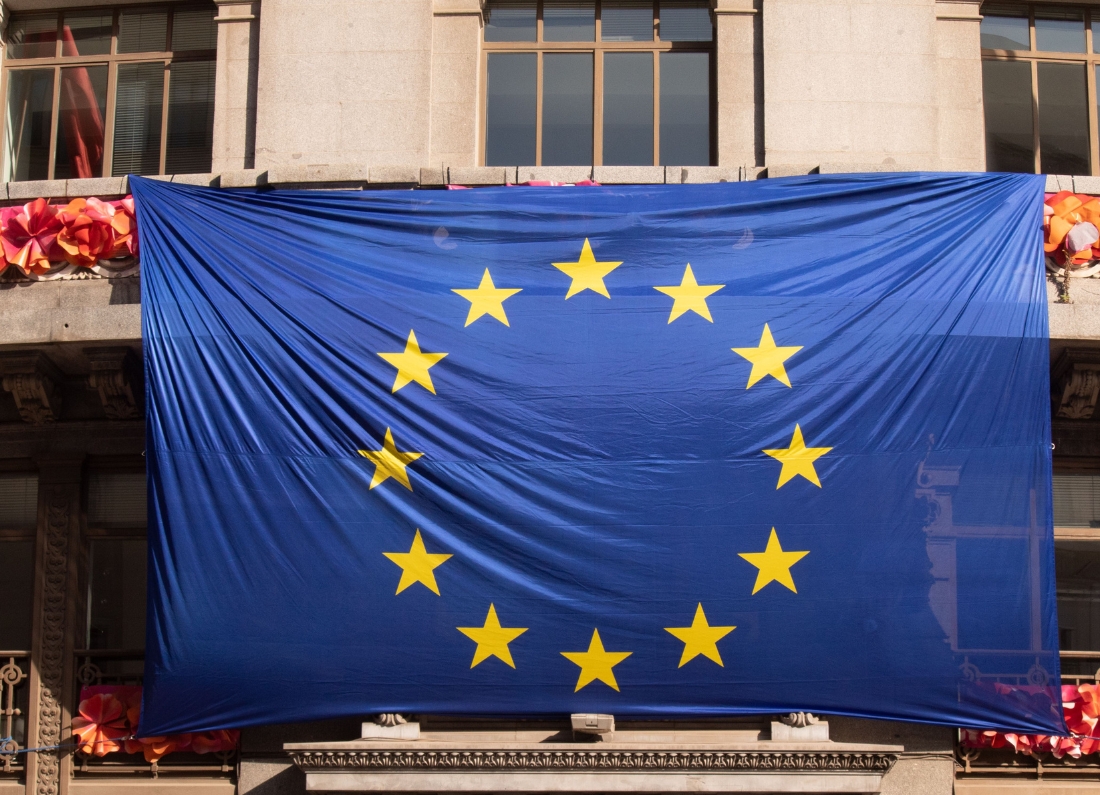
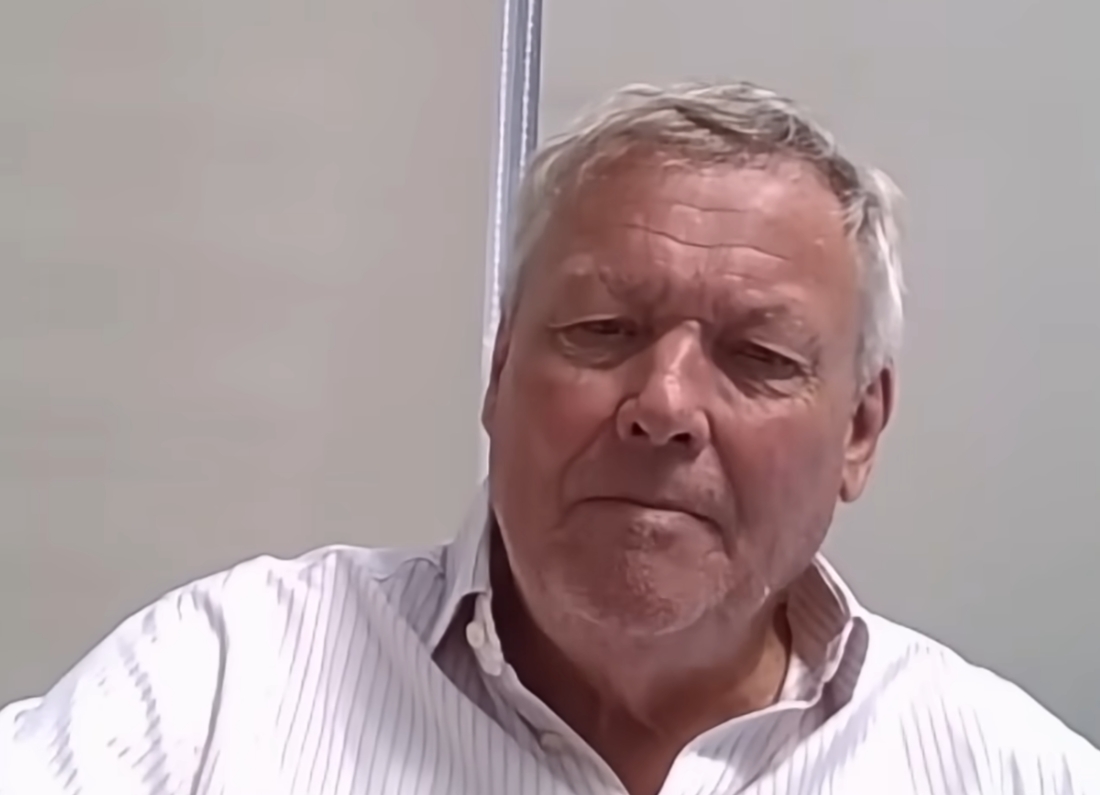
Philip Rycroft was the permanent secretary of the Department for Exiting the European Union – the man who led Britain’s civil service preparations for leaving the bloc. He is now writing for The Independent calling for politicians to open a debate on rejoining. “Brexit is not done,” he says. “Brexit will never be done. We can never not have these debates because they are so critical to our economic, defence and security future.” He argues that the world has changed dramatically since 2016, that the assumptions underpinning the Leave vote have been “badly hit” by geopolitical events, and that Britain will find itself “isolated in the world” if it fails to follow what he calls its “European vocation.”
The case he is making
Rycroft is careful to distinguish between advocacy and analysis. He is not demanding Starmer announces a second referendum tomorrow. He is making a structural argument: the conditions that defined the 2016 decision no longer exist, and political leaders have a responsibility to allow the public to think through what Britain’s long-term interests actually are.
“In the interest of the British public, ultimately, I am saying I think that our political class do have a responsibility to seek the opportunities, to seek to open out these questions in a way that gives the public the chance to think through where they believe our long-term interests lie.”
His three specific concerns are economic, defence-related and security-related. On economics: the Office for Budget Responsibility has projected a 4% loss in UK GDP growth after fifteen years outside the single market. That is not a campaigner’s figure. It is the government’s own forecasting body’s assessment of the long-term cost of the trade arrangements.
On defence: as we reported in our ECFR European survey piece, only 11% of Europeans now see the US as an ally, down from 22% when Trump won the election. Majorities in every European country doubt the US would come to their aid if attacked. As we reported in our Healey resignation piece, the Defence Investment Plan is inadequate by the Government’s own defence ministers’ assessment. The European security architecture in which Britain sits has changed fundamentally.
On security: Russia’s invasion of Ukraine and its “threat on democratic way of life,” as Rycroft puts it, has made the question of European solidarity more urgent than at any point since 1989. The UK cannot, he argues, rely solely on Commonwealth and Anglosphere relationships to address the threats it currently faces.
What makes him different
This is not Michael Heseltine, who has been a passionate pro-European for his entire political career – as we reported in our Heseltine Brexit piece. This is the civil servant who was institutionally responsible for making Brexit work. If the person who built the apparatus for leaving the EU is saying the question of returning should be put back to the public, the argument carries a different kind of weight.
“We’re still, frankly, living through the afterburn of what was a very difficult and divisive referendum,” Rycroft says, “but we have to start thinking about what the long-term future looks like, and to do so in a dispassionate, honest sort of way that doesn’t slip back into some of those rather old, boring remain-leave arguments.”
His framing is deliberately unsentimental. He is not nostalgic for the EU. He is not expressing personal loss. He is making a national interest calculation that the conditions have changed sufficiently to require the debate to be reopened.
The political landscape
Rycroft’s intervention lands in a political context that is, as he acknowledges, “deeply contested territory.” Starmer has ruled out rejoining the single market or customs union per his manifesto, and has committed to honouring the Brexit result. Labour officials pitched a single market for goods trade ahead of an upcoming UK-EU summit but the proposal was rejected – reported as the EU preferring a customs union arrangement instead.
Within Labour, the positions are diverging. Wes Streeting, identified as a frontrunner to succeed Starmer if a leadership challenge is triggered, has said the UK should rejoin the EU. As we reported in our Burnham Makerfield pieces, Andy Burnham held back on EU support during the Makerfield campaign, which voted strongly for Leave in 2016. The political calculation in a northern byelection and the policy calculation for long-term British interests point in different directions.
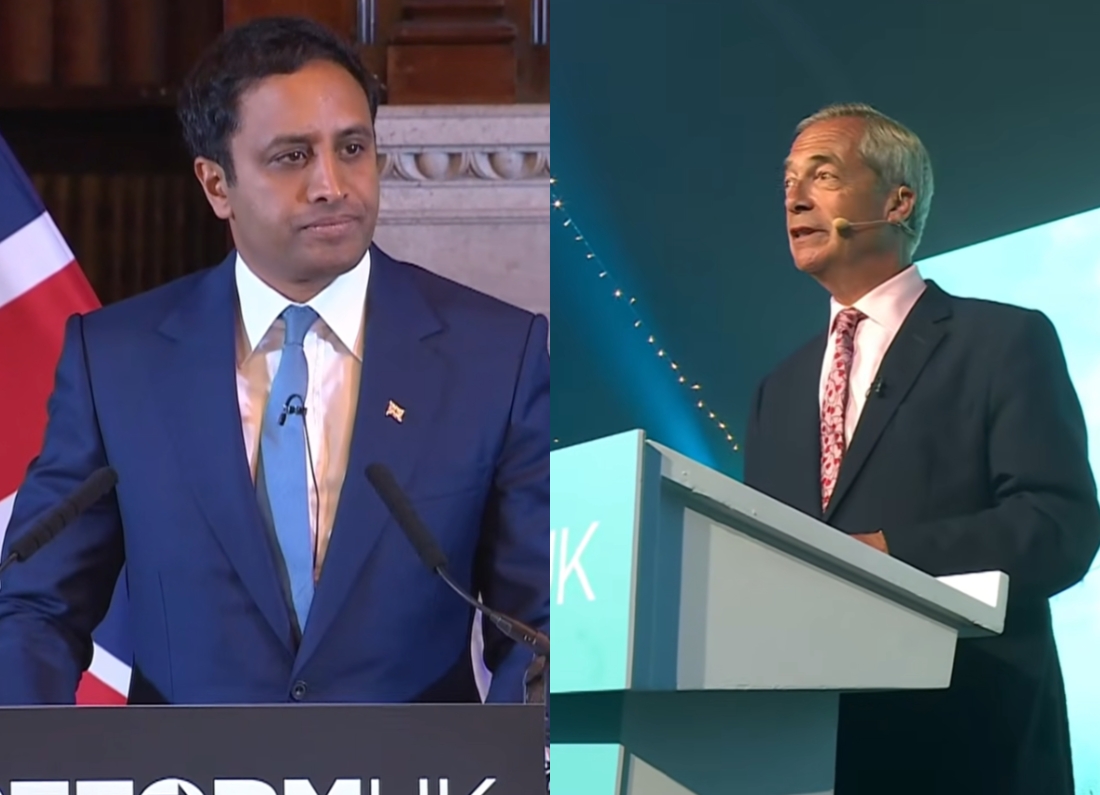
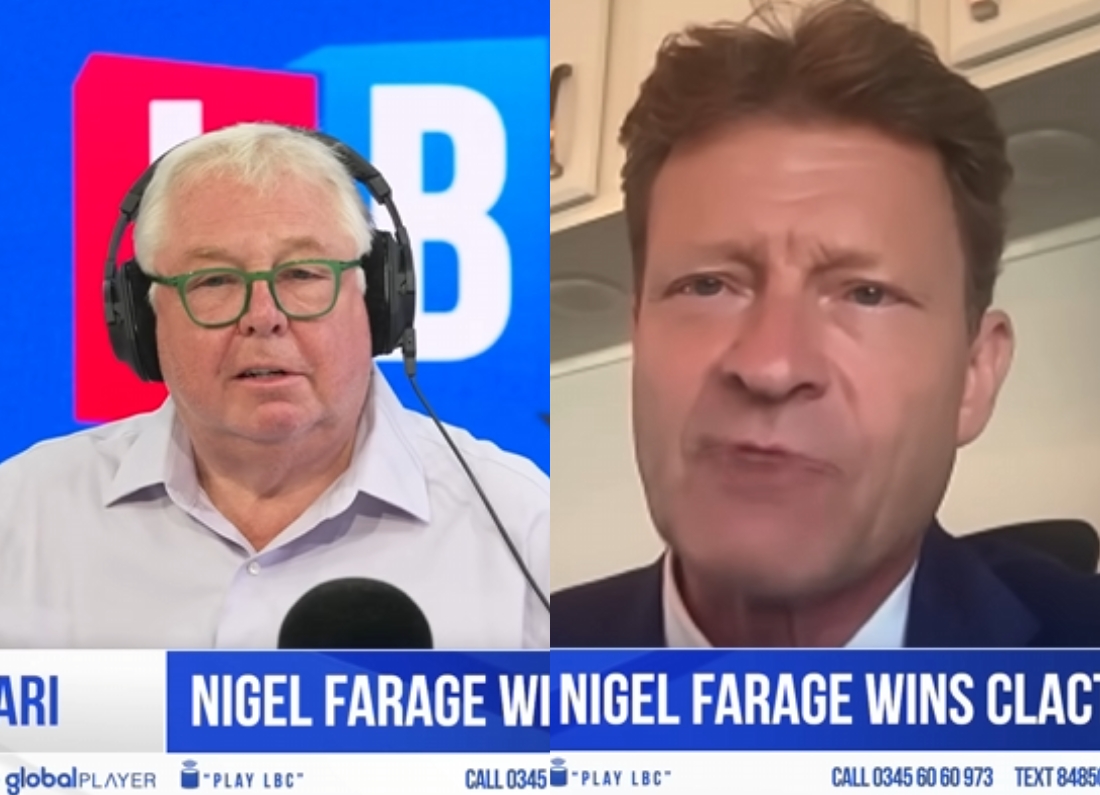
Reform UK, as Rycroft acknowledges, remains “against any way back.” As we reported in our Farage LBC piece, Farage defended Brexit to Nick Ferrari this week by saying “we’re not living in caves” while blaming the Conservatives for failing to implement it properly.
The 70% problem
Rycroft is realistic about the path. Best for Britain polling shows 53% of people currently support a full return to the EU. As we reported in our Brexit referendum polling piece, 48% support a second referendum including a quarter of 2016 Leave voters, and 55% support rejoining per YouGov. By Rycroft’s own analysis, however, the number needs to reach 70% before the idea is seriously considered politically. “Could take some time,” he says.
The gap between the majority that currently exists and the supermajority he believes is required for political viability is his central practical challenge. He is not saying it cannot be done. He is saying it requires a debate that the political class has been reluctant to have.
“We are a European country; our future lies ineluctably in Europe because that’s where we are. We have to find a path forward where the vast majority of people in this country accept that the relationship that we’re in or we’re heading towards is one that is in the UK’s interests.”
He acknowledges those who see a different path. “Good luck to them. But let’s have that debate.”






Leave a Reply