


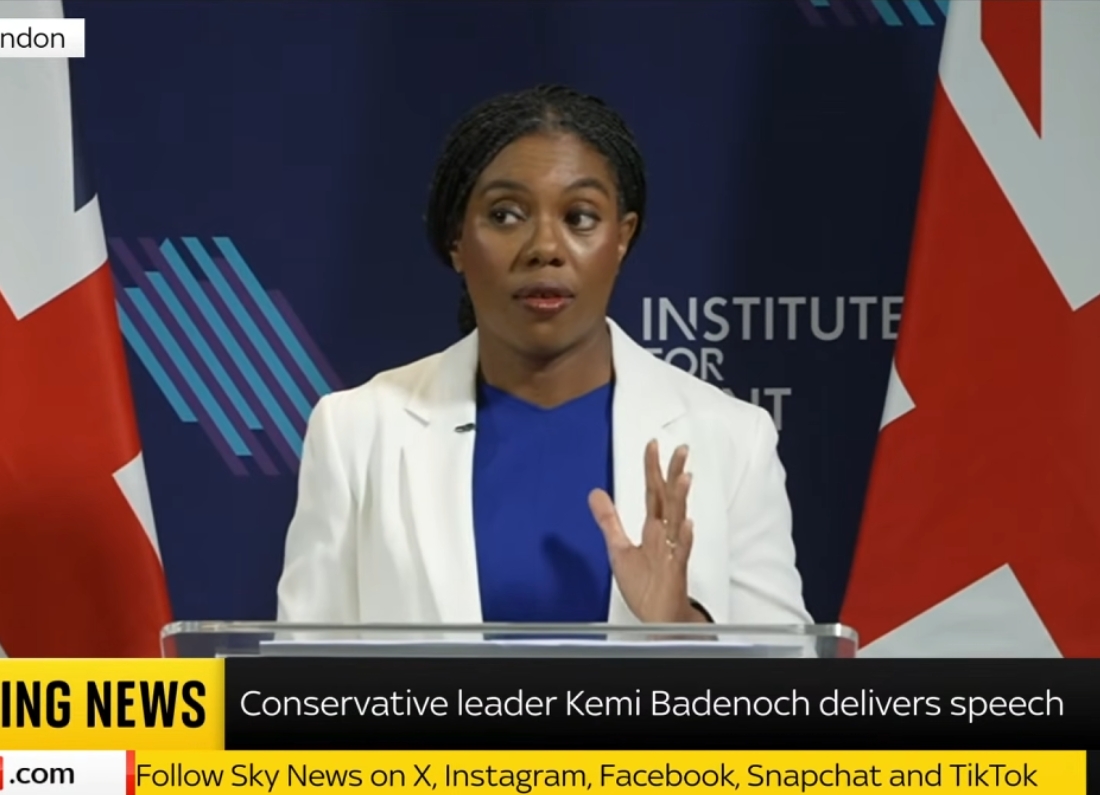
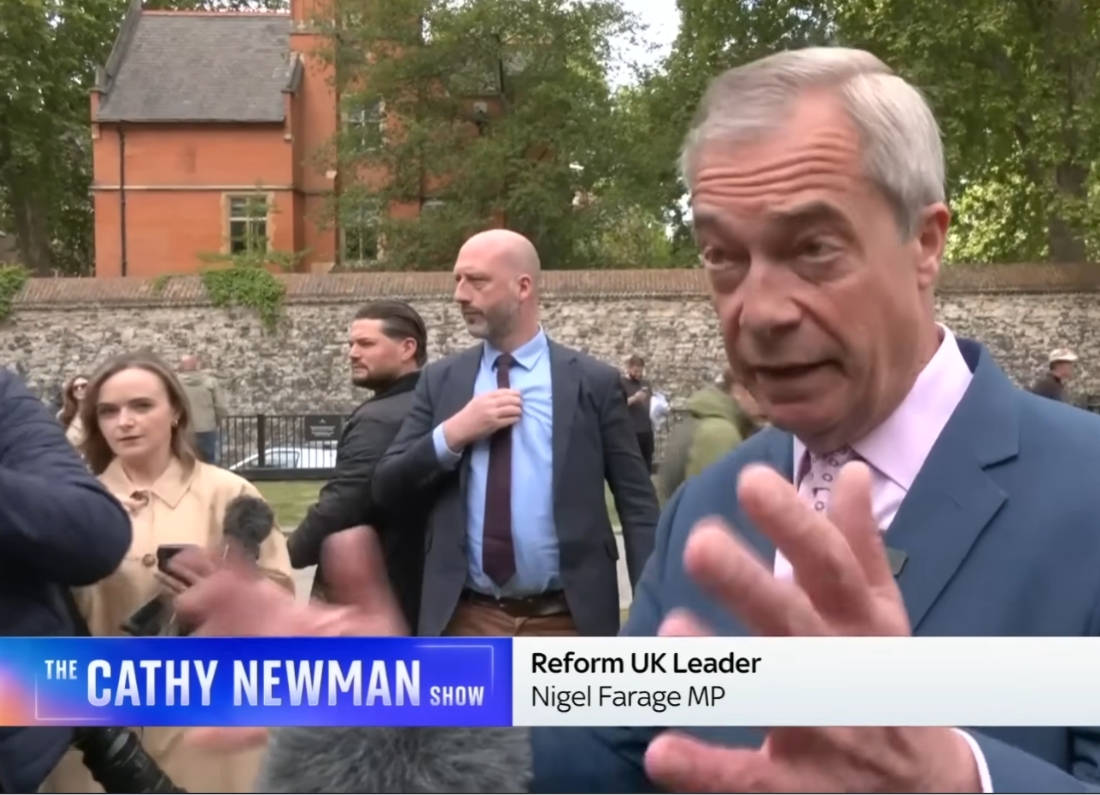
Nigel Farage’s response to the murder of Henry Nowak has been rated the most disapproved of all party leaders’ responses, according to new Opinium polling. While 26% approved of Farage’s intervention – in which he called for “pure, cold rage,” promoted “white lives matter” language and argued Britain had a “two-tier culture” in which white people’s rights mattered less – 32% disapproved, giving him a net approval rating of -6. Of all the leaders polled, Farage was the only one to record a net negative rating. Kemi Badenoch, who declined to follow Farage’s lead and told Good Morning Britain she didn’t want to hear about Black Lives Matter or White Lives Matter – “everyone matters” – achieved the highest net approval at +12.
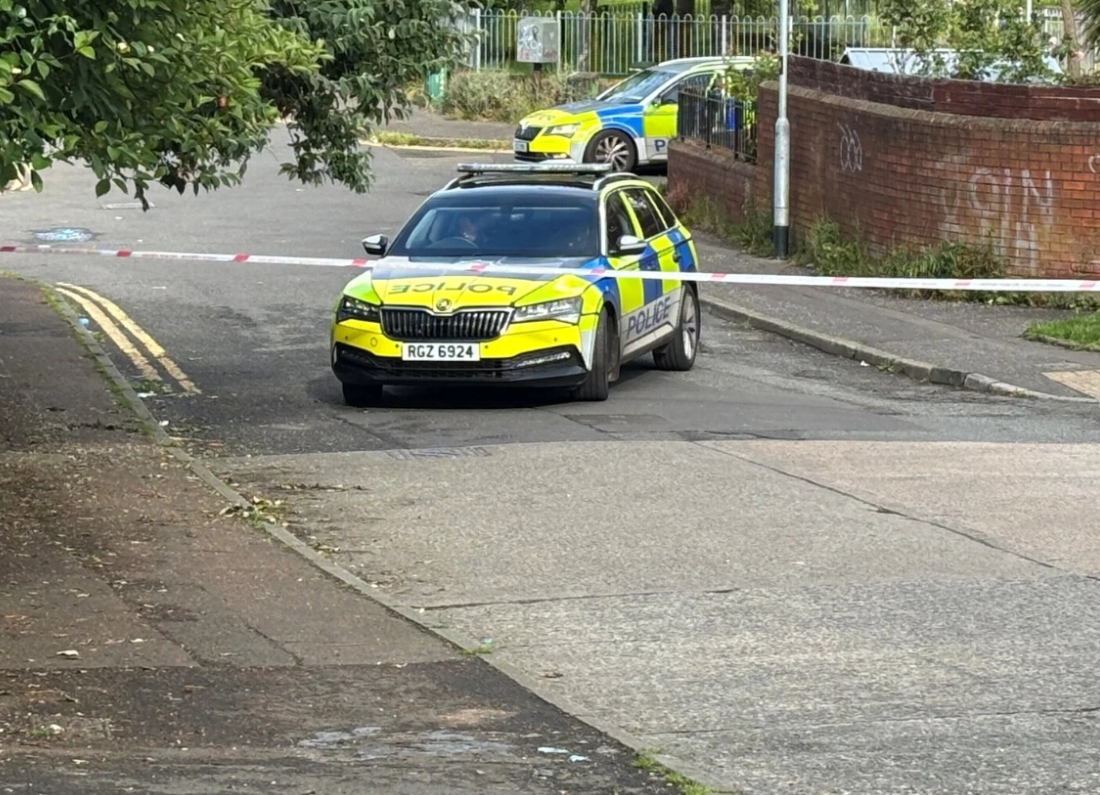
Henry Nowak, 18, was stabbed by Vickrum Digwa last December as he walked home from a night out in Southampton. Digwa falsely claimed to police he had been racially abused and had acted in self-defence. When officers arrived at the scene, they handcuffed Nowak as he lay dying. Digwa was convicted of murder and sentenced to life with a minimum of 21 years. The IOPC has opened an investigation into the officers’ conduct. Henry’s father Mark said in his sentencing statement that the family had been given “a life sentence” with their pain. He asked publicly that his son’s death not be used to “create further hatred, division or tension.”
Within 24 hours, Farage released what he called an “emergency address.”
What the polling shows
The Opinium data presents a clear verdict on how different leaders’ responses landed with the public.
Farage’s numbers: 26% approved, 32% disapproved. Net: -6. He is the only leader in the poll to record net negative approval for his response.
Badenoch’s numbers: 28% approved, 15% disapproved. Net: +12. The best performance of any leader polled, despite – or perhaps because of – the fact that Reform attempted to weaponise her words in a misleading attack ad, as we reported in our Peston and Jenrick piece. Robert Peston called the ad “a travesty” of her actual position. The polling suggests voters reached the same conclusion.
Fewer people disapproved of Keir Starmer’s response than Farage’s – 27% disapproved of Starmer’s handling, compared to 32% for Farage. Zack Polanski of the Greens had 17% disapproving of his response.
Why Farage’s response drew the most disapproval
The specific content of Farage’s emergency address was documented extensively as the week unfolded. He called for “pure cold rage,” used “white lives matter” language and drew an explicit connection between the case and what he called “two-tier” treatment of white people under the law. Southampton riots followed within 48 hours, with Tommy Robinson addressing the crowd as rioters threw bottles and bins at police.
As we reported in our O’Brien analysis, James O’Brien specifically characterised Farage’s response as expressing “gleeful relish at the prospect of provoking violent responses” – and drew a direct comparison with his Southport intervention. The pattern was the same. The consequences were the same.
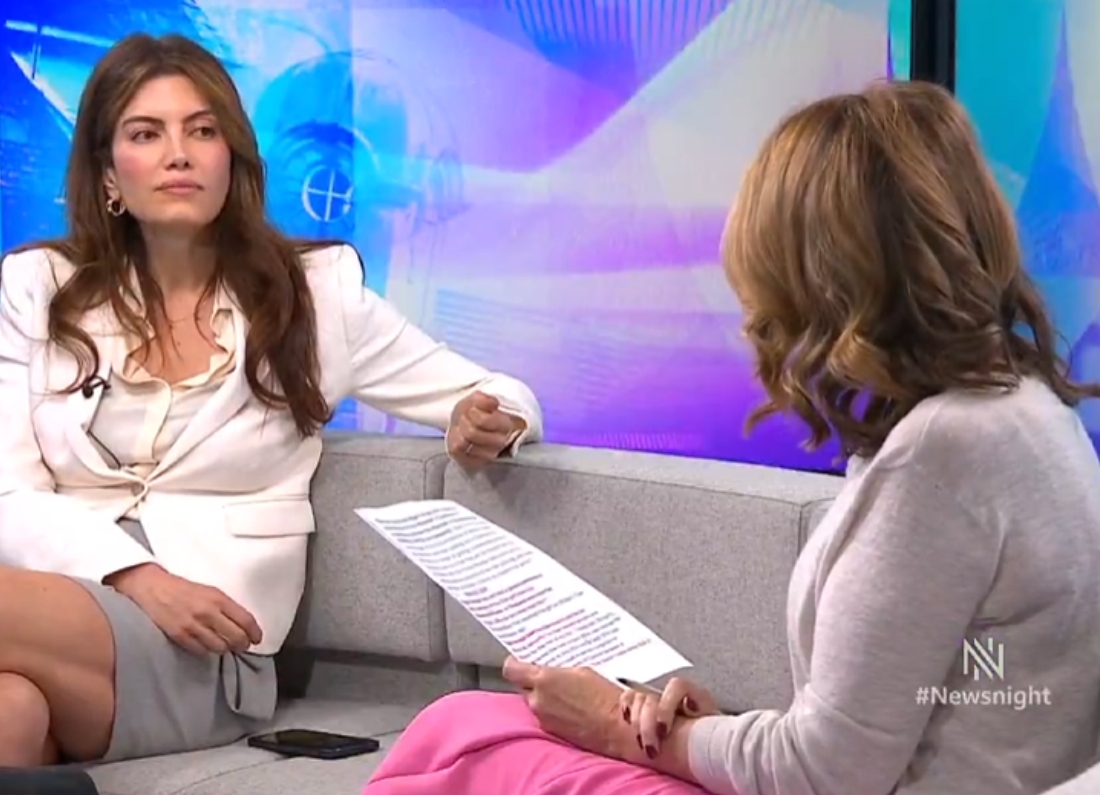
On the BBC’s Electoral Dysfunction podcast, as we reported in that analysis piece, Ruth Davidson said it was the moment Farage stopped looking like a future Prime Minister and started looking “like the fringe elements of Tommy Robinson.” Harriet Harman agreed. Former Met superintendent Leroy Logan, appearing on Newsnight, told a Reform politician directly: “This is clearly cause and effect – you’re fooling yourself” if you think calling for “pure cold rage” and “white lives matter” doesn’t put people outside police stations throwing bottles.
Wes Streeting, appearing on The News Agents, called the ad Reform ran misrepresenting Badenoch’s position “propaganda reminiscent of the 1930s” – as we reported in our Streeting 1930s piece. He called Farage “an English nationalist – not a fascist, but a dangerous and potent political force.”
What Badenoch got right
Badenoch’s +12 net approval is significant in context. It came despite Reform’s active attempts to misrepresent her words. Her Good Morning Britain statement – “I don’t want to hear about Black Lives Matter. I don’t want to hear about White Lives Matter. Everyone matters. Henry Nowak matters.” – was taken out of context by Reform in an attack ad designed to imply she endorsed Black Lives Matter while dismissing white lives. The ad was condemned as “a travesty” by Robert Peston live on ITV, with Robert Jenrick sitting next to him unable to adequately defend it.
The polling suggests that voters, having seen both Badenoch’s actual words and Reform’s distortion of them, gave Badenoch credit for her response. Ruth Davidson and Harriet Harman both noted on Electoral Dysfunction that it may be the first time both Badenoch and Starmer have stood their ground against Farage on an issue like this rather than retreating. The +12 net approval is some evidence that standing their ground was the right call.
The Makerfield dimension
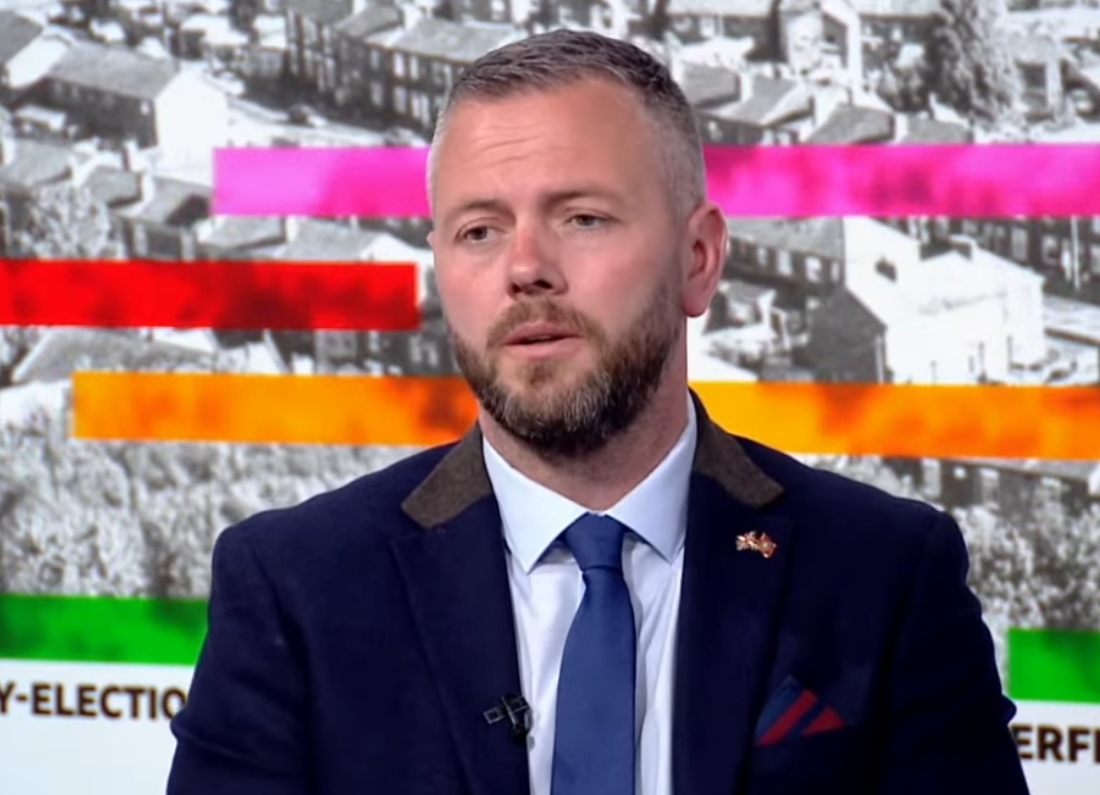
The polling arrives ten days before the Makerfield byelection on 18 June, in a week when Reform’s odds drifted from 5/2 to 4/1 following Robert Kenyon’s Question Time appearance – as we reported in our byelection odds piece. A new Survation poll gives Andy Burnham a 10-point lead: 49% to Reform’s 39%.
Farage’s Nowak response was a specific strategic choice. As we reported in our Electoral Dysfunction analysis, Davidson’s reading is that Farage chose to deepen his base rather than broaden it – going further right under pressure from Rupert Lowe’s Restore Britain and Elon Musk’s shift of support toward them. The Opinium poll is evidence of the cost of that choice in public approval terms. The Makerfield vote on 18 June will be evidence of the political cost.


Leave a Reply