ITV’s political editor Robert Peston directly challenged Reform UK’s Robert Jenrick over an attack advertisement that took Conservative leader Kemi Badenoch’s words out of context in the wake of the Henry Nowak case, telling him: “That is a travesty of Kemi Badenoch’s position” and “there is no world in which she is endorsing Black Lives Matter.”
Separately, in the House of Commons on Wednesday, Keir Starmer told Farage that calling for “rage” after the Nowak family had explicitly asked for calm was “unforgivable” and that it “shows exactly who he is.”
What Badenoch said – and what Reform did with it
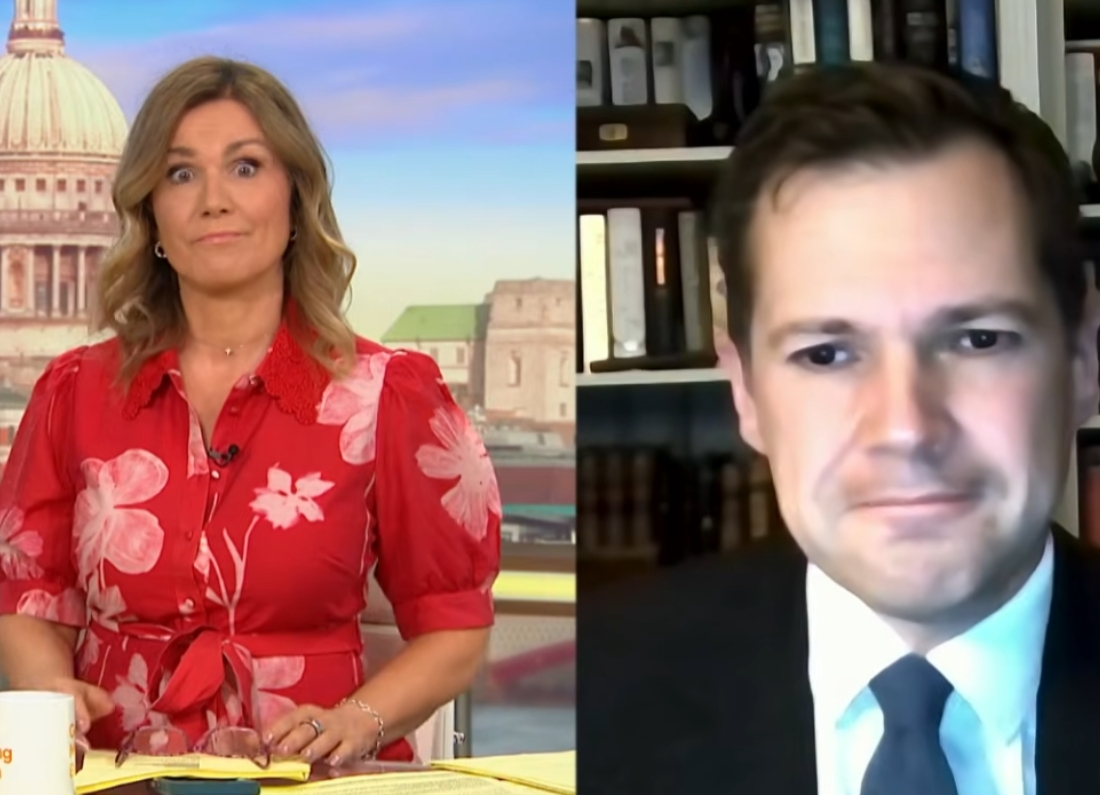
Kemi Badenoch appeared on Good Morning Britain on Tuesday and said: “I don’t want to hear about black lives matter. I don’t want to hear about white lives matter. Everyone matters. Henry Nowak matters.”
Reform UK posted an attack advertisement online that selectively quoted her words, drawing an angry backlash and prompting accusations of deliberate misrepresentation. The specific edit implied that Badenoch’s statement was an endorsement of Black Lives Matter – the opposite of what she said.
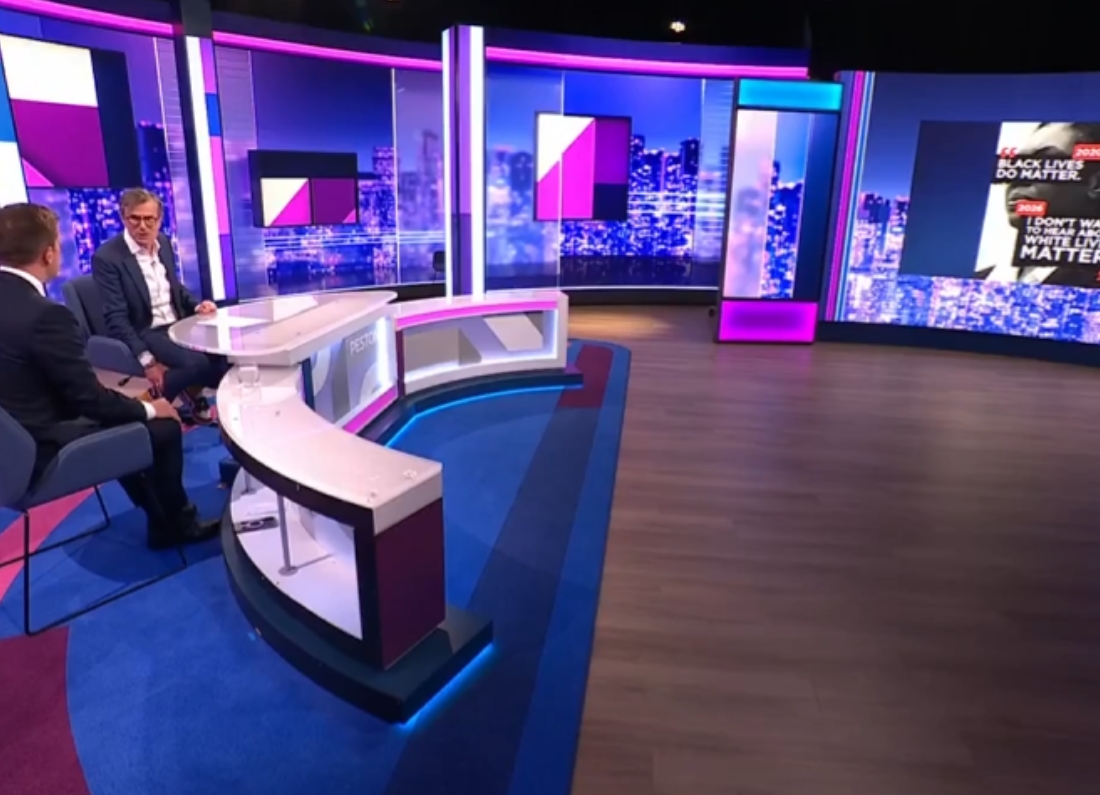
Peston played Badenoch’s actual words back to Jenrick on ITV on Wednesday evening and said: “That is a travesty of Kemi Badenoch’s position. So just to be absolutely clear, there is no world in which she is endorsing Black Lives Matter.”
Jenrick’s response was to insist “those are her words” – a technically accurate but contextually dishonest defence of using a quote to imply the exact opposite of its meaning.
Peston pressed him: “Reform were using them completely out of context.” Jenrick then reframed the argument: “Kemi Badenoch, when the Black Lives Matter issue arose, said ‘black lives do matter’. Then she went onto the media and said ‘I don’t want to hear about white lives matter’. Well I do want to hear about white lives matter.”
Peston’s response was direct: “She also said in that interview, as you’ve just heard, ‘I don’t want to talk about black lives matter or white lives matter.’ She is basically saying she does not want divisive politics of the sort that you are promoting.”
The specific dishonesty of the advert
The mechanics of how Reform constructed the misleading advert are straightforward. Badenoch made a statement explicitly rejecting both Black Lives Matter and White Lives Matter frameworks as divisive and calling instead for universal recognition of Henry Nowak’s value as a human being. Reform extracted the first clause – “I don’t want to hear about black lives matter” – in a way designed to suggest she was attacking the phrase rather than, as she clearly was, rejecting the entire frame of racialised rhetoric in which Farage has sought to place the Nowak case.
Jenrick’s defence that “those are her words” is technically correct and substantively false. The words are hers. The meaning attributed to them is not. This is not an interpretation dispute – it is a deliberately constructed misrepresentation of a political rival’s position, built from a selective edit of recorded speech.
As we reported in our O’Brien on Farage piece, O’Brien has described Farage as someone who sees “gleeful relish” in tragedies like Nowak’s death and the opportunity they present. The Badenoch advert illustrates the same pattern applied to a different target: using the emotional weight of the Nowak case to attack a political rival by associating her, falsely, with a position she explicitly rejected.
Starmer in the Commons
In the House of Commons on Wednesday, Keir Starmer addressed Farage directly on his response to the Nowak case.
“His response has been to appeal for rage. Rage. That’s his response to a father who has lost his son and asked for this not to happen. To do it when the family are expressly saying please don’t is unforgivable. It shows exactly who he is.”
The Commons intervention arrived the day after riots in Southampton, as we reported in our Southampton riots piece. Protesters threw bottles, beer cans and wheelie bins at police, stones were hurled at police cars at Portswood police station, and police charged with perspex shields. Henry Nowak’s father had asked that his son’s death not be used to “create further division, hatred or tension.” Farage had called for “pure, cold rage.” James O’Brien had warned this meant a repeat of Southport. The riots came within 48 hours, as we reported in our O’Brien on Farage piece.
The Nowak family and the wider pattern
As we reported in our original Nowak piece, the case contains a genuine and serious institutional failure: police handcuffed a dying teenager after accepting his attacker’s false claim of racial abuse. Hampshire Police apologised. The Police and Crime Commissioner called it a national tragedy. The family called for a transparent investigation.
That legitimate complaint has been consistently drowned out by the political use of the case. Badenoch attempted, in her Good Morning Britain interview, to redirect attention toward “everyone matters” and toward Henry Nowak as an individual. Reform responded by using her attempt to de-escalate as an attack vector. Farage called for rage. Tommy Robinson addressed a protest. Riots followed.
Starmer’s “it shows exactly who he is” formulation in the Commons is a political judgment, not a factual claim. What is factual is the sequence: family asks for calm, political leaders call for rage, riots follow, misleading adverts are produced, and a Tory leader’s attempt to de-escalate is weaponised by the party whose leader provoked the violence.