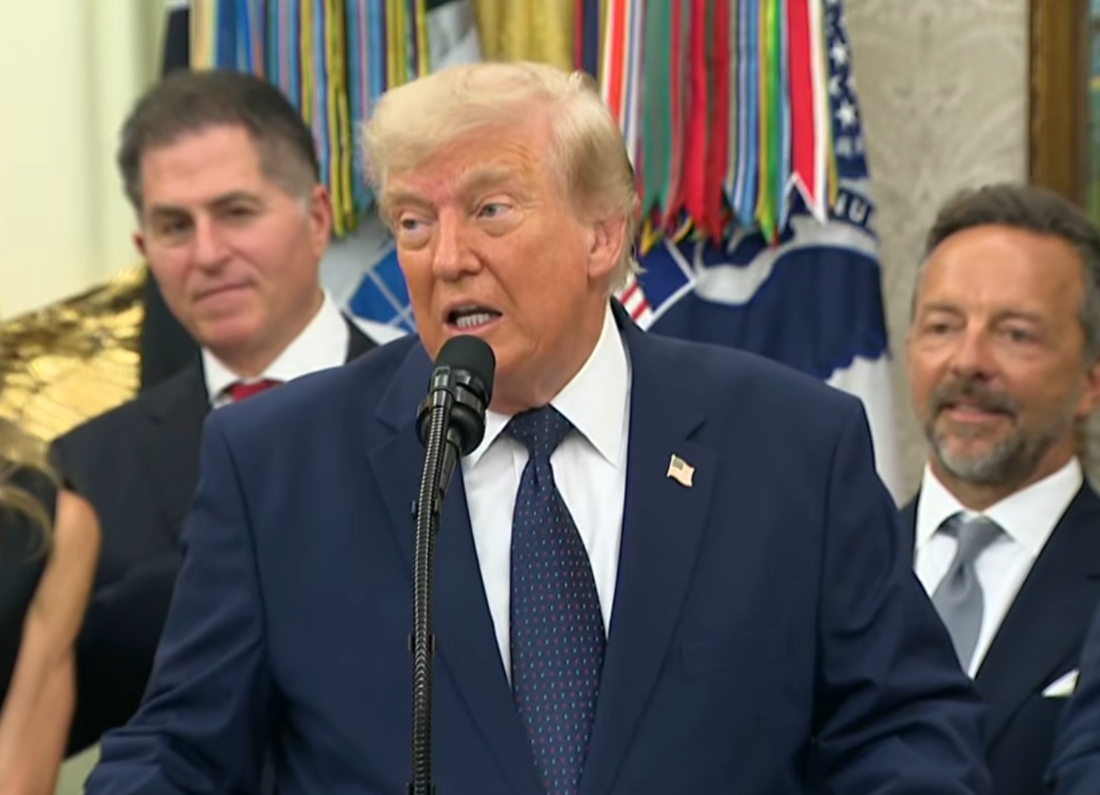
Donald Trump reportedly told Benjamin Netanyahu he was “f*cking crazy” and that “everybody hates Israel because of this” in a furious phone call over Israel’s resumed bombing of Lebanon, while simultaneously giving three directly contradictory statements about Iran within hours of each other, and posting a midnight Truth Social declaration that he is “an innocent man who has been horribly treated” and demanding that the prosecutors who brought criminal cases against him be held “criminally responsible.” It has been one of the more chaotic stretches of a consistently chaotic presidency.
‘You’d be in prison if it weren’t for me’
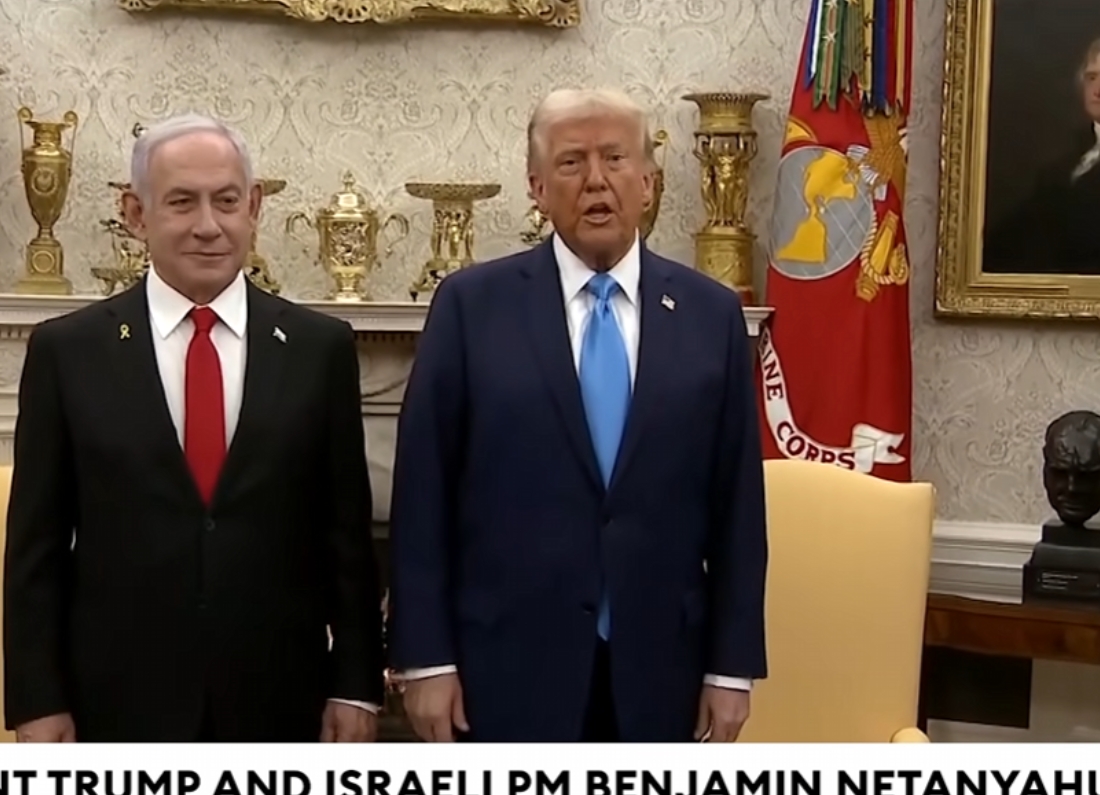
Israel has struck Beirut twice since a ceasefire between Israel and Hezbollah came into force on 16 April, with the most significant strikes coming last Thursday. The resumption of hostilities triggered a phone call between Trump and Netanyahu that, according to two sources speaking to Axios, was one of the most confrontational exchanges between an American president and an Israeli prime minister in recent memory.
“You’re f*cking crazy,” Trump reportedly told Netanyahu. “You’d be in prison if it weren’t for me. I’m saving your ass. Everybody hates you now. Everybody hates Israel because of this.”
A second source told Axios that Trump was “pissed” throughout the call and at one point shouted: “What the f*ck are you doing?”
Trump’s specific concern was strategic rather than humanitarian. He fears that a resumption of hostilities between Israel and Hezbollah could derail his attempts to end the Iran war and negotiate a ceasefire that would reopen the Strait of Hormuz – the closure of which has been affecting global oil prices and generating significant domestic political pressure in the United States, as we reported in our Strait of Hormuz and famine risk piece.
On Truth Social, Trump presented a triumphant version of the same phone call. “I had a conversation with Bibi Netanyahu today, asking him not to go into a major raid of Beirut, Lebanon. He turned his Troops around. Thank you Bibi!” He also said he had spoken directly with representatives of Hezbollah’s leadership, and that both sides had agreed to stop shooting. “Let’s see how long that lasts — Hopefully it will be for ETERNITY!”
Netanyahu’s public response was more measured. Israel, he said, reserved the right to retaliate “if Hezbollah does not stop attacking our cities and civilians.” This is a conditional ceasefire framed as a permanent one by Trump and a contingent one by the party supposedly observing it.
Three contradictory Iran statements in a few hours
The Lebanon call was not the only source of confusion about American foreign policy this week. BBC North American correspondent Peter Bowes, appearing on Radio 4’s Today programme, described Trump’s statements about the Iran war as “increasingly confusing and prone to change at a moment’s notice.”
The specific sequence: in an NBC interview, Trump said “I don’t care if peace negotiations with Iran are over” and suggested that “going silent will be very good.” Hours later, a Truth Social post said talks with Iran were “continuing at a rapid pace.” Shortly after that, an ABC interview included Trump saying he expected an agreement to extend the ceasefire and reopen the Strait of Hormuz “over the next week.”
These statements are not complementary. They are contradictory. The president does not care if negotiations are over. Talks are continuing at a rapid pace. He expects a deal within a week. Bowes noted that American voters are “becoming increasingly impatient” with the Iran war, which began at the end of February, and with its implications for energy prices.
The specific combination of a threatened Lebanon escalation, Iran talks described simultaneously as over and continuing rapidly, and a Hezbollah ceasefire described as potentially eternal by Trump and conditional by Netanyahu represents a foreign policy situation that the BBC’s correspondent described simply as “mixed signals.” That may be understated.
The midnight Truth Social pity party
Separately, at midnight, Trump posted a lengthy Truth Social declaration demanding the dismissal of the criminal and civil cases brought against him by Manhattan District Attorney Alvin Bragg and New York Attorney General Letitia James.
The basis for the demand was Michael Cohen’s apparent claim that he had felt “pressured and coerced” by prosecutors during the investigations. Cohen had previously spent years publicly condemning his former employer and was jailed during Trump’s first term for his role in hush money payments to Stormy Daniels and Karen McDougal, who had alleged sexual encounters with Trump.
Trump’s post described the cases as “Democrat New York Attorney General and Manhattan District Attorney’s Hoaxes” and “unAmerican, Political Charade ‘Cases’.” He demanded they be “dismissed, once and for all” and that the prosecutors be “held criminally responsible for their terrible misdeeds.”
He closed with a line that has become characteristic of his late-night social media output: “I am an innocent man who has been horribly treated.”
As we reported in our Trump Kennedy Center piece, this is not the first time this week that Trump has responded to a legal ruling unfavourable to him with a lengthy Truth Social post demanding that the judge be ashamed of themselves and that his opponents be held responsible. The patterns are consistent. As Barbara Walters observed in 1990 – as we reported in our viral Walters interview piece – he has always been exactly who he is.
What it adds up to
A sitting president called an allied head of government “f*cking crazy” and told him he would be in prison without American protection. The same president gave three contradictory statements about a war his country is fighting within hours of each other. And at midnight he declared himself “horribly treated” and demanded his prosecutors be jailed.
All of this is, in its way, consistent with how Trump has operated since returning to office. The Kennedy Center rant, the Netanyahu phone call, the Iran contradictions and the midnight self-pity are not aberrations. They are the operating mode. Whether the allies, adversaries and institutions that have to navigate this environment find it manageable is a different question.